







 Gesellschaft

46500936 / 55500692
Tattoos und Piercings
Körperschmuck, Durchführung, Risiken
Tätowierungen und Piercings sind ein jahrtausendealter Körperschmuck.
Der Film geht der Geschichte der Tätowierungen nach und zeigt, wie sie sich im Laufe der Jahrhunderte entwickelt haben und in welchen Gesellschaftsschichten sie zu finden sind.
Ohrlöcher stechen ist die häufigste Form des Piercings. Welche hygienischen Bedingungen dafür notwendig sind und mit welchen Techniken gearbeitet wird, zeigt der Film.
Welche Überlegungen man anstellen sollte, bevor man sich für eine Tätowierung oder ein Piercing entscheidet, welche Risiken lauern, das erklärt ein Hautarzt ausführlich in Interviews.
In Verbindung mit dem umfangreichen Zusatzmaterial (Arbeitsblätter, interaktive Aufgaben, Testfragen, Glossar) lässt sich das Medium hervorragend im Unterricht verwenden.
Die interaktiven Aufgabenwurden mit H5P erstellt und sind ohne weitere Software verwendbar.

Lehrplanzentral und an den Bildungsstandards orientiert
Passend dazu

Seal of approval
Quality seals such as the "Bio-Siegel", "Blauer Engel", "Stiftung Warentest" and up to 1,000 other seals represent characteristics such as sustainability, health or safety with regard to a product, a service or even a company.
Inclusion
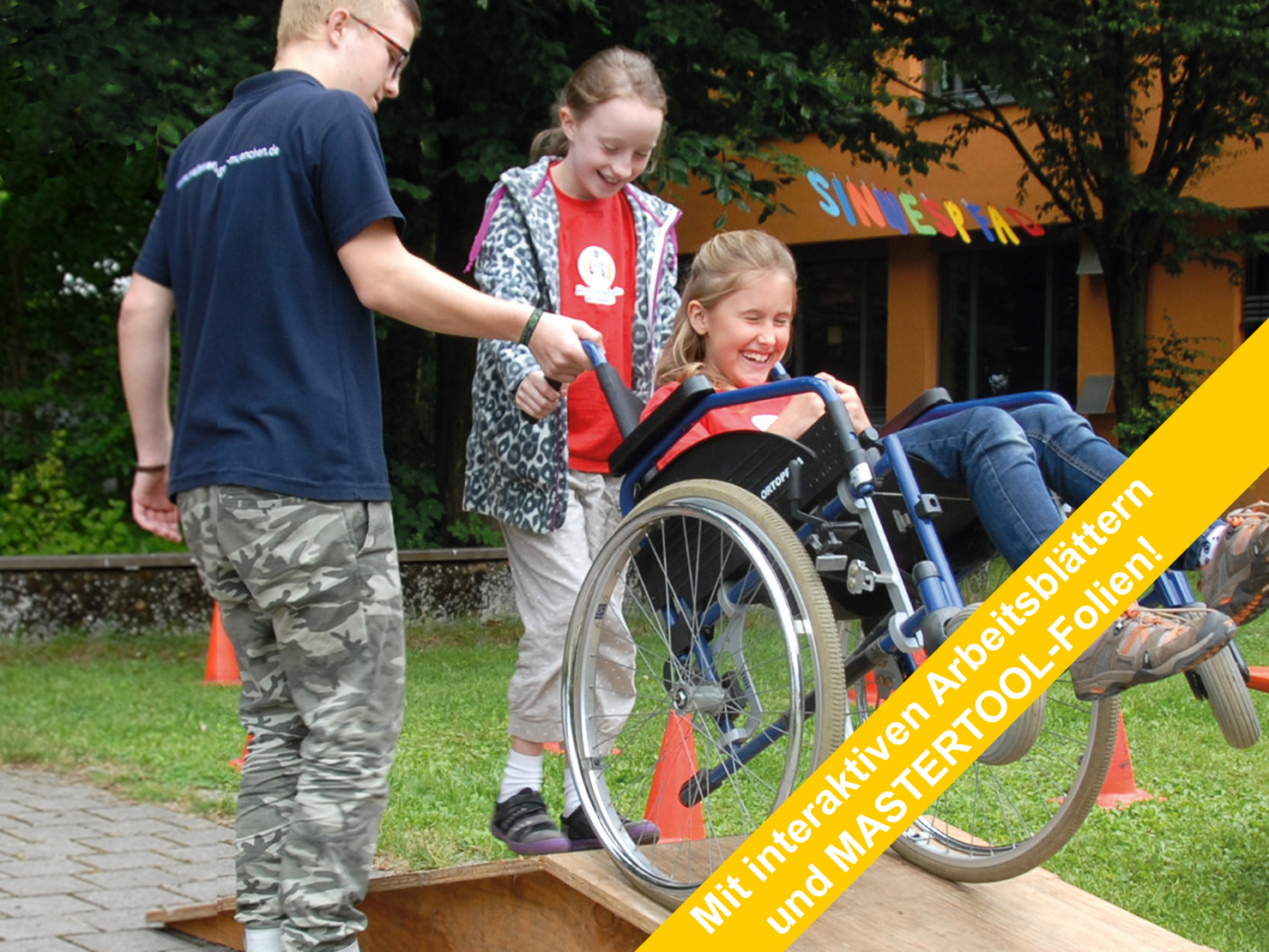
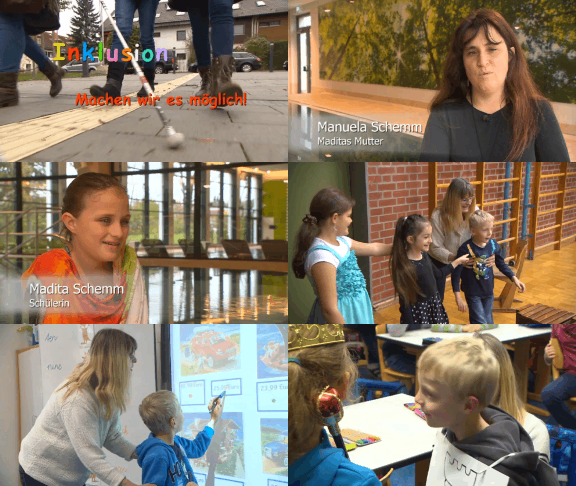
Madita is eleven and blind. She does not want to go to a special school but to a regular grammar school. She says she feels "normal" there. Jonathan is eight and has a walking disability. He likes going to the school where he lives. Here, his best friend sits next to him. Max Dimpflmeier, a teacher who is severely deaf, explains that school life is not easy. Quote Max Dimpflmeier: "You don't want to attract attention, you want to avoid saying that it is necessary for you that 70 people adjust to your situation." People on their way to inclusion.

Copyright
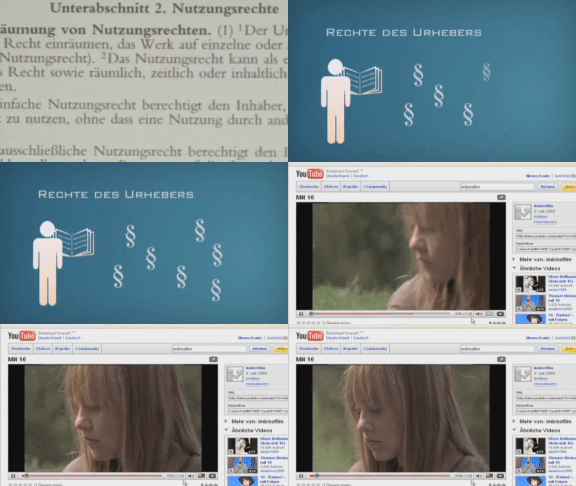
Copyright is subject to constant change to keep up with technological advances. This film enables the viewer to grasp the basic principles of this extremely intricate matter. By way of introduction, the film defines what an author is, what kinds of works there are and how long a work is protected on principle. Then the fundamental rights of an author are cited and it is shown how these are exploited in our times. In the third chapter, the respective rights are illustrated by way of practice-oriented examples of books, photos, music and films. Here, of course, an emphasis is laid on the field of education, taking into account the latest case law within the EU and Austria in particular. A further chapter highlights the problems arising with the Internet and goes into the citation law and pirate copies. All in all, in this way the viewer is made familiar with the most important basic terms and their meanings. Comprehensive worksheets and additional accompanying material invite us to deepen our knowledge of the subject.
