







 Primary School
4667161 / 5558687
Wetter
Nach Regen kommt oft Sonnenschein
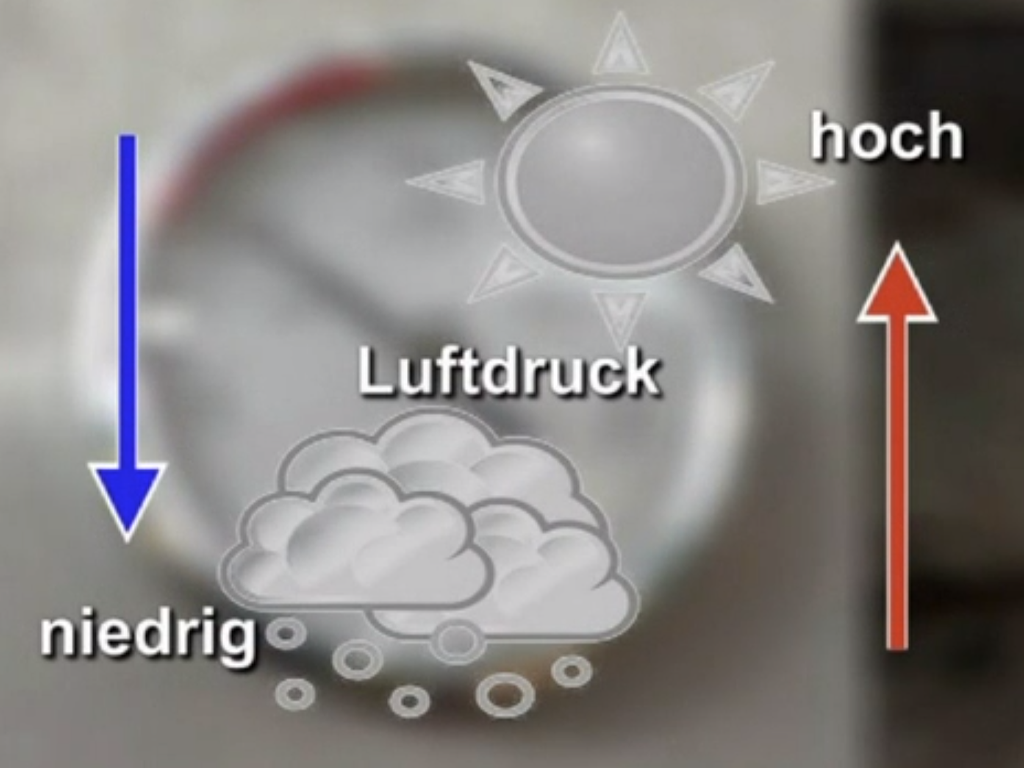
„Nach Regen kommt oft Sonnenschein – Das Wetter“ „Schau dich schlau!“ nimmt heute die verschiedenen Wetterbedingungen unter die Lupe. Wie entstehen Wind, Gewitter, Regen und Hagel? Außerdem zeigen unsere Moderatoren Joey Grit Winkler und Fero Andersen, wann die verschiedenen Wetterlagen für den Menschen gefährlich werden können. Im Selbstversuch testet Fero Andersen, bei welchen Windstärken ganz normale, alltägliche Tätigkeiten wie Frühstücken, Zeitung lesen oder Rasieren überhaupt noch möglich sind. Außerdem beweist er, dass ein teurer Regenschirm nicht unbedingt der Beste sein muss.
Währenddessen findet Joey Grit Winkler bei der weltweit größten Wettermesskampagne heraus, welche Daten für eine Wettervorhersage erhoben werden und wie genau die Wetterberichte heutzutage sind. Zur Sicherheit erklärt sie aber auch, wie viel Wahrheit hinter Bauernregeln steckt.
Außerdem: Welche Durchschlagskraft hat Hagel und wie kann man sich am wirksamsten gegen die Eisbomben schützen? Was ist dran an diversen Wettermythen: Wird Milch bei Gewitter wirklich sauer? Welche Bäume schützen vor Blitzen am besten?
Im ausführlichen PC-ROM-Teil:
auf den Film abgestimmtes Begleitmaterial:
8 Seiten Arbeitsblätter!
4 Arbeitsblätter für interaktive Whiteboards!

Curriculum-centred and oriented towards educational standards
Matching
Inclusion
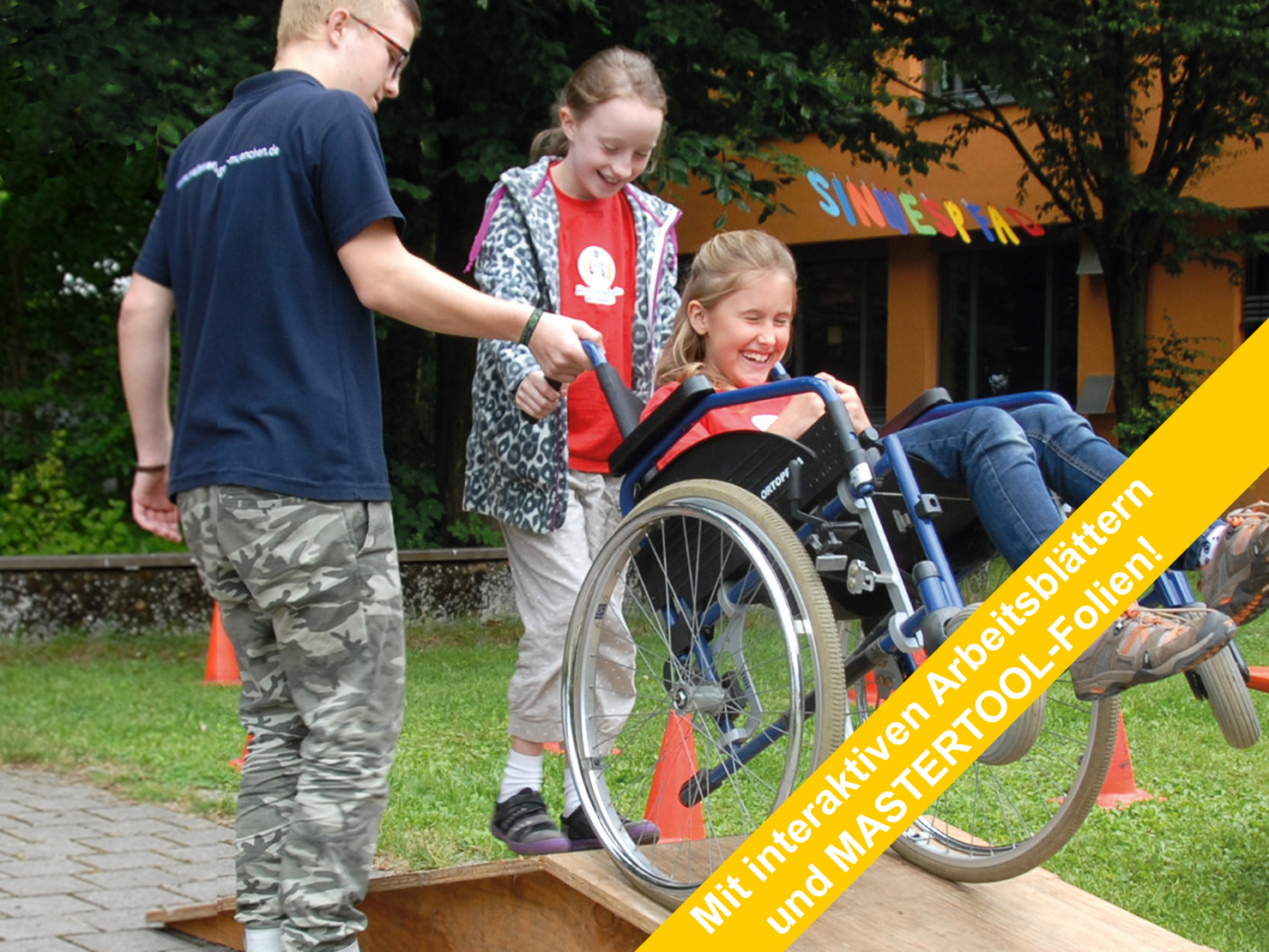
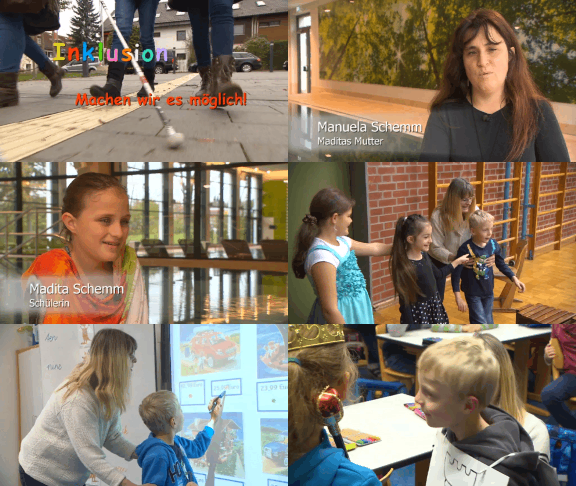
Madita is eleven and blind. She does not want to go to a special school but to a regular grammar school. She says she feels "normal" there. Jonathan is eight and has a walking disability. He likes going to the school where he lives. Here, his best friend sits next to him. Max Dimpflmeier, a teacher who is severely deaf, explains that school life is not easy. Quote Max Dimpflmeier: "You don't want to attract attention, you want to avoid saying that it is necessary for you that 70 people adjust to your situation." People on their way to inclusion.


Internet Addiction
The film consists of two parts. The first part is the 15-minute short film “In the Net”. It describes the problem of excessive Internet use in a humorous way, in particular the risk of losing touch with reality when chatting. The second part illustrates with three real persons how Internet addiction can develop and the problems encountered by those who are afflicted. The authentic statements are commented by an experienced therapist. For many pupils, the issues addressed here are related to their everyday lives. What is a “sensible” use of the Internet, where does pathological addiction start? In contrast to addiction to alcohol, nicotine or drugs, the public seems to be largely ignorant of the problem of this addiction, which is not related to any substance abuse. The film provides material for discussion in the classroom (crossdisciplinary) and can be used as a basis for the formulation of prevention strategies.

Part Time Kings
Your children are not your children