







 Technology
4679014 / 5565775
Artificial Intelligence
Application and Opportunities
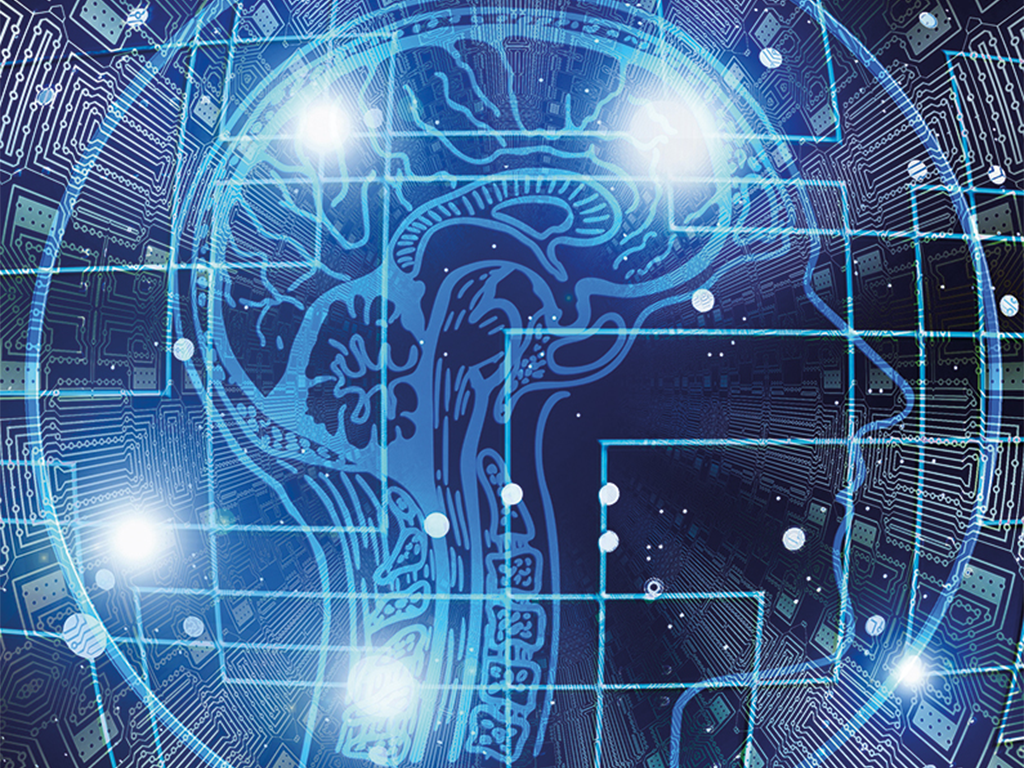
Intelligent machines not only carry out predefined work steps but also learn from experience thus developing their own problem solving strategies. In addition, they can pass on their knowledge to other machines and interact with them. Artificial intelligence is pure software which, combined with various sensors, takes further decisions from the data thus obtained. Artificial intelligences have already conquered our everyday lives. When we have bought something online, an artificial intelligence could have ensured that we receive the ordered product on time. Because in many large companies machine brains help with logistics, accounting and customer service. Even at the doctor’s or in hospital we may come across artificial intelligence. Because sometimes it assists physicians with the diagnosis of diseases or in selecting an appropriate therapy. An AI can also be helpful in prognosticating the chances of recovery.
In the world of work, fundamental changes are underway as well. They could have consequences as far-reaching as production automation in the past. On the one hand, computer systems capable of learning will make many processes more efficient – for example in administration, accounting or production. This saves time and money. On the other hand, many activities, performed by people up to now, will become redundant. Thus, the world of work will change fundamentally for us.
AI experts estimate that already in a few decades, computers might be just as intelligent as human beings at almost all levels. But how does artificial intelligence work? And how can a computer actually learn and think just like we humans?
Curriculum-centred and oriented towards educational standards
Matching

Ideals of Beauty
1. What Is Beautiful?
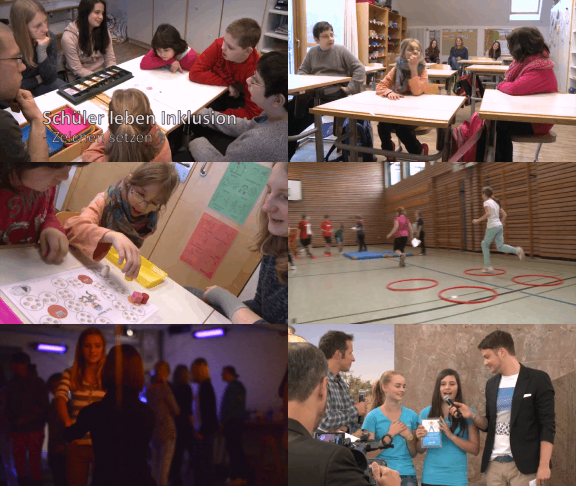
Pupils Practise Inclusion
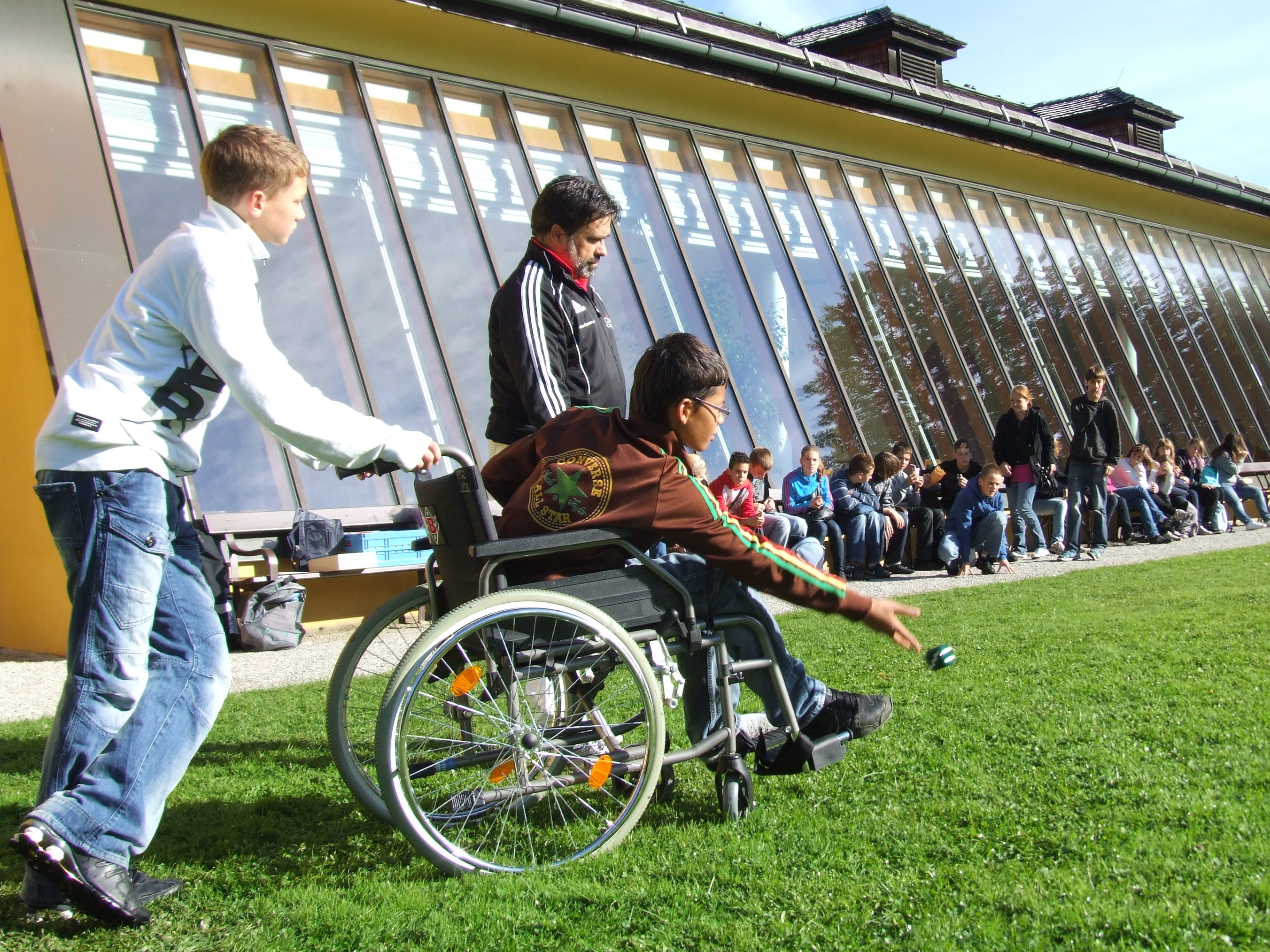
When people come together, no matter under what concomitant circumstances – ultimately, it is about how these people meet and how openly they interact with one another.
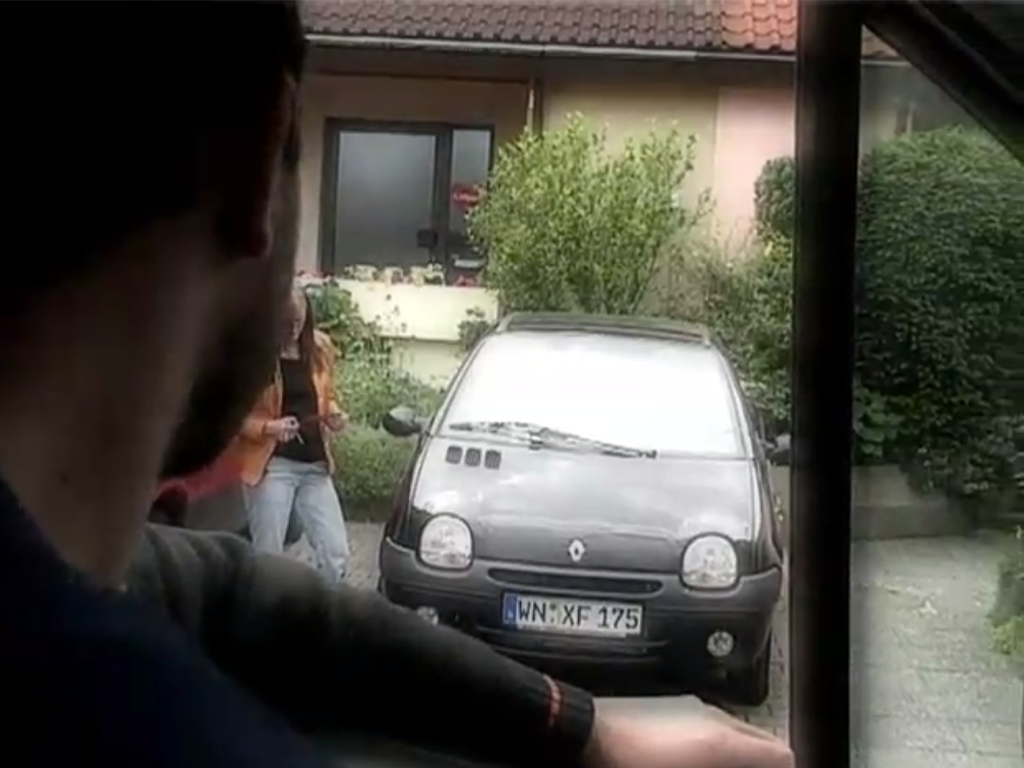
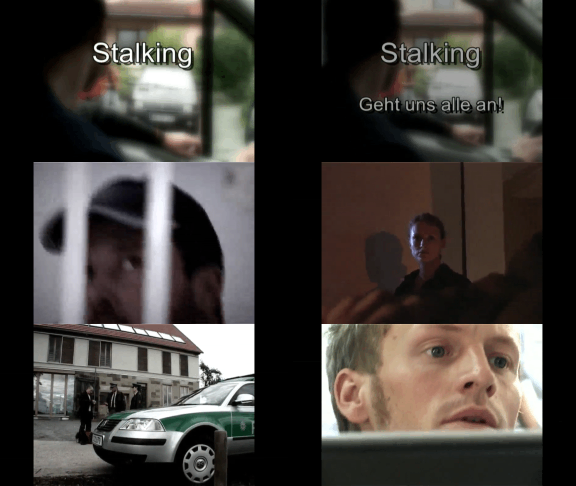
Stalking
n Germany, 12 % of all federal citizens are pursued by a stalker once in their lives. And not only celebrities are among their victims! Everyone may be confronted with such a situation.