







 History
4665880 / 5558105
Dictatorships in the 20th Century II
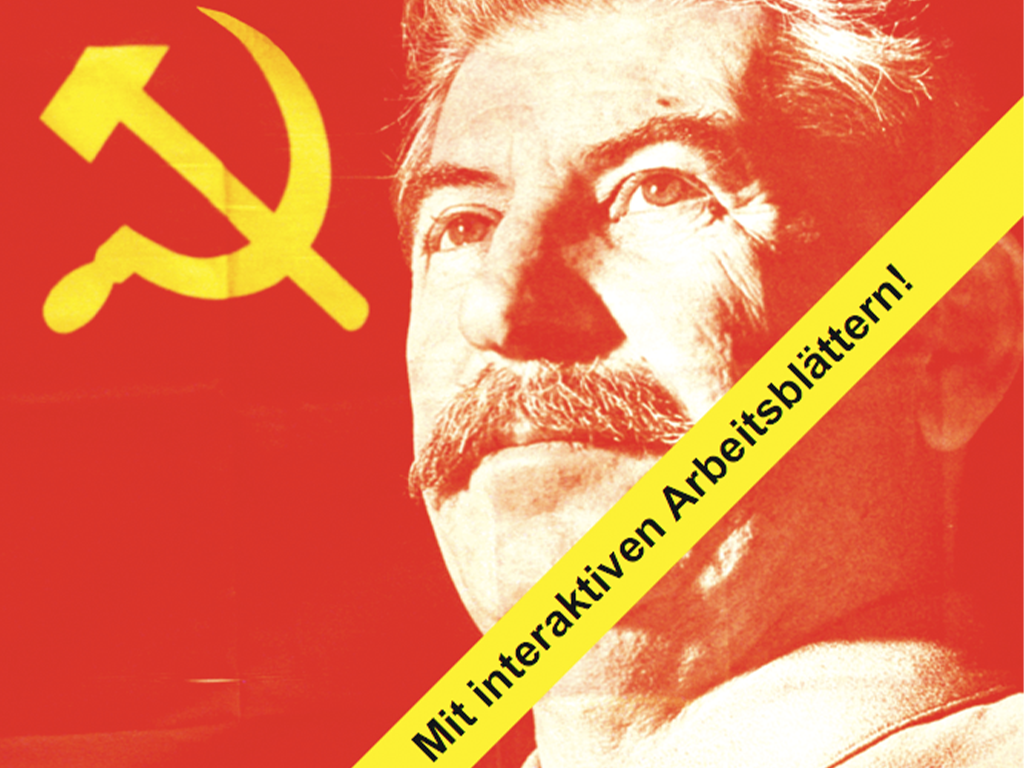
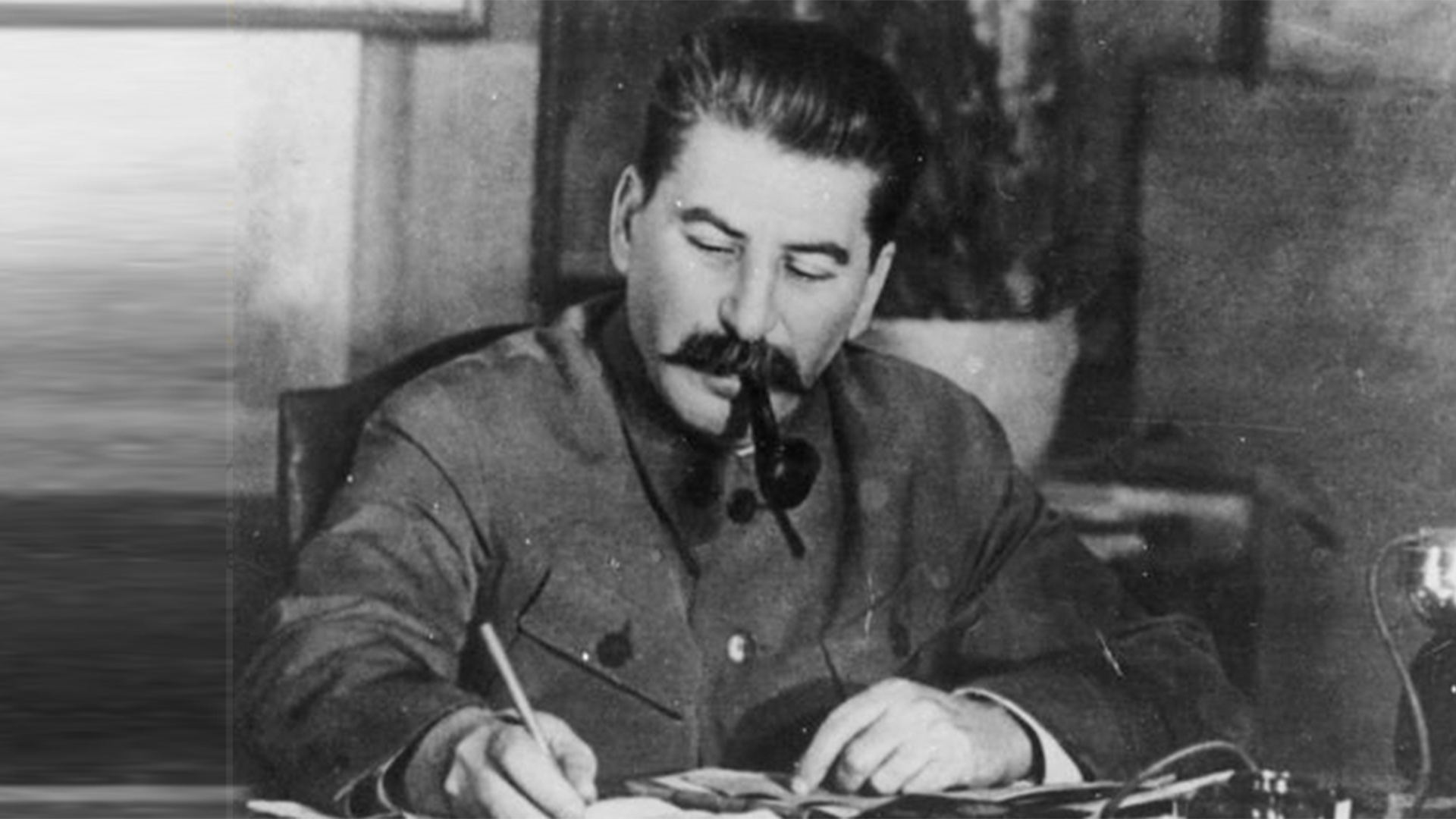
Stalin
Nobody could trust his colleagues, his friends, even his own family any more. An entire nation was brutally oppressed, spied out and exposed to any conceivable form of despotism. Until Joseph Stalin died on 5th March 1953, these facts were the bitter reality of the Soviet citizens’ everyday life. This despot used his absolute power to wage war against his own people for decades.
DVD 1 shows Stalin’s course of development up to his growth of power as Lenin’s heir in the year 1924. It illustrates Russia’s way from a backward agricultural country at the end of the 19th century to the Soviet Union, the first socialist state of the world.
DVD 2 examines the methods of the Stalinist system (e.g. the gulags). Also Stalin’s role as a commander in the Second World War and during the Cold War is dealt with.
The film is to encourage reflexion and further interest in Stalin. For the way he is assessed in today’s Russia covers a wide and contrasting range: from deepest disgust to highest admiration. Together with the extensive accompanying teaching material the DVD is perfectly suited for use in the classroom.
Curriculum-centred and oriented towards educational standards
Matching


Blogging
The weblog or blog, for short, as a medium is not much older than this century. Blogs came into being in the World Wide Web as ’messages from below’, as web pages from web creators who wanted to share their view of the world with the world. They are short notes, long texts, pictures, videos, which are posted loosely and at random intervals to the world for an undefined public.


Mobile Learning II
Oh, what’s that? Original soundtrack Thissen: “As our children grow up in a media world and naturally handle the media, they should also be a topic in school.“ An older child says the point is that they don’t just load down apps but create things themselves that haven’t existed so far. Hi, I’m Jana. A propeller hat. I’ll put it on. Now I’m no longer a simple rhino, but a flying rhino. Original soundtrack Thissen: “It’s exactly the great flexibility of tablets that promotes very personalised and adapted learning.” Original soundtrack Welzel: “It’s fascinating to see how the children grow with their products and how they always want to improve them.” The Westminster Abbey is a church in London for the royal family. Original soundtrack Welzel: “And?“ They think it is ok.
Resuscitation
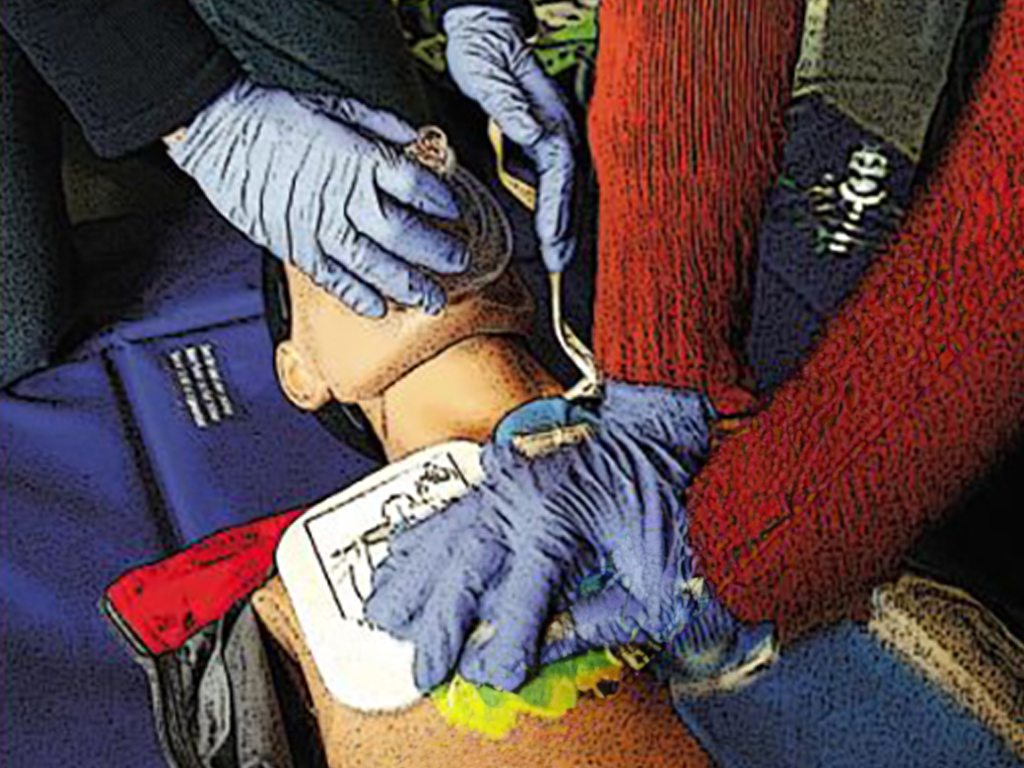
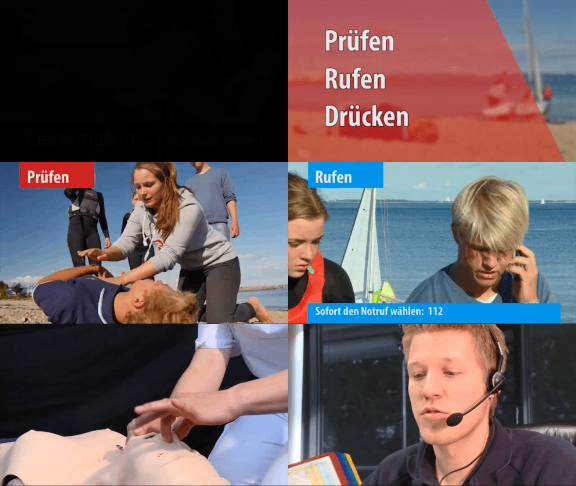
It can happen to anyone – of any age, in any place, at any time. Sudden cardiac arrest may quickly prove fatal. Immediate action is called for! Just remember: Check Call Press Anyone can do it. You can't do anything wrong!