









55503547
Kirchenfeste
Für den Unterrichtempfohlen
In 10 interaktiven Aufgaben werden die wichtigsten Kirchenfeste vorgestellt, in den Jahreslauf eingeordnet und anschließend abgefragt.
Das Medium bietet H5P-Aufgaben an, die ohne zusätzliche Software verwendbar sind.
Durch interaktive Aufgabentypen wird das audiovisuelle und interaktive Lernen einfach.
Lernen macht jetzt Spaß!
- <> Languages: DE
- <> Target Groups: GRU
- <> Subject: Primary School, Religion
- <> Tasks: 10
Licenses
Included Tasks
- I Kirche; Religion und Feste ... Interaktive Einführung
- II Liturgie - Video und Interaktive Aufgaben
- III Jahreskreis der Kirchenfeste & Jahreszeiten - Infotafel zum Anklicken
- IV Der Weihnachtskreis - Interaktive Aufgaben
- V Der Osterkreis - Video und Interaktive Aufgaben
- VI Das Pfingstfest - Video & Interaktive Aufgaben
- VII Zeitliche Reihenfolge der Kirchenfeste - Zuordnungsaufgabe
- VIII Exkurs: Feste in anderen Religionen - Interaktiver Dialog
- IX Festtagswissen - Interaktive Lernstandkontrolle
- X Spiel: Suchsel - Finde die Kirchenfeste
Curriculum-centred and oriented towards educational standards
Matching
Was ist eine Kirche?
Für den Unterrichtempfohlen
Jesus Christ
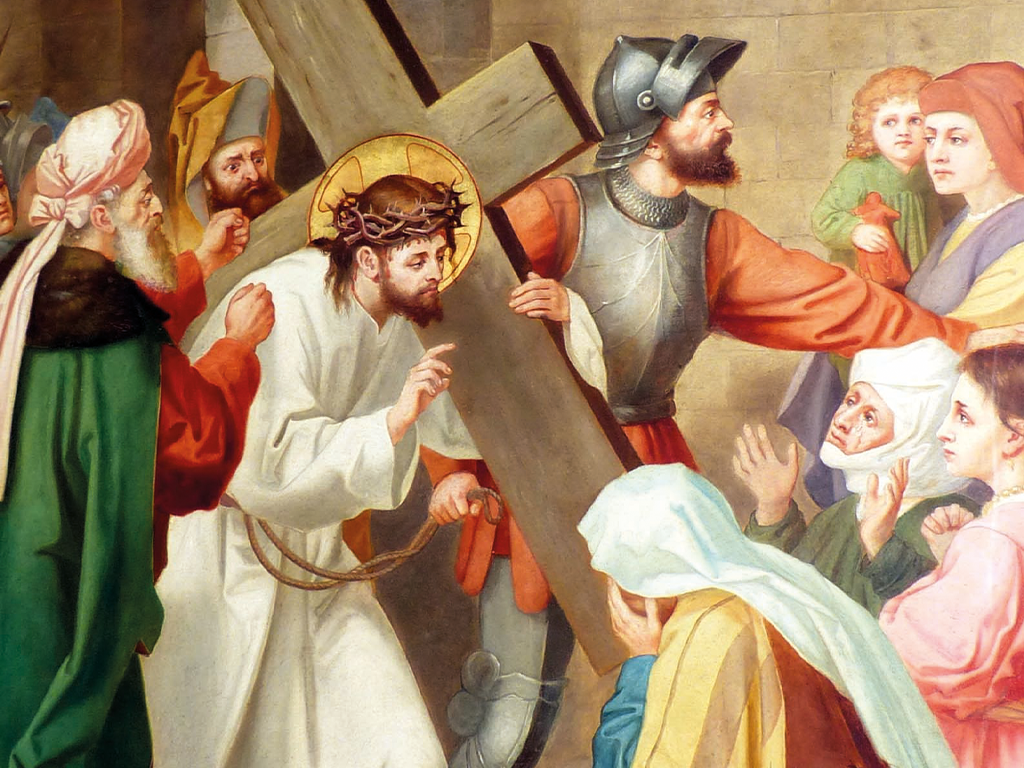
Long hair, a beard and a slender figure. This is the picture of Jesus Christ that we have in mind. We do not know whether he actually looked like that. But there is hardly any doubt that he lived about 2,000 years ago. After all, there are various independent sources reporting his crucifixion. But what was so special about him? Why has a world religion emerged from his teaching, whereas many other preachers of his time have long been forgotten?


Hereafter
A girl paints her idea of heaven. Angels welcome the dead people to paradise. There, near to Jesus, you can live and play. You also meet deceased relatives again.