







 Biology
4656279 / 5551013
Birds
Vertebrates 4
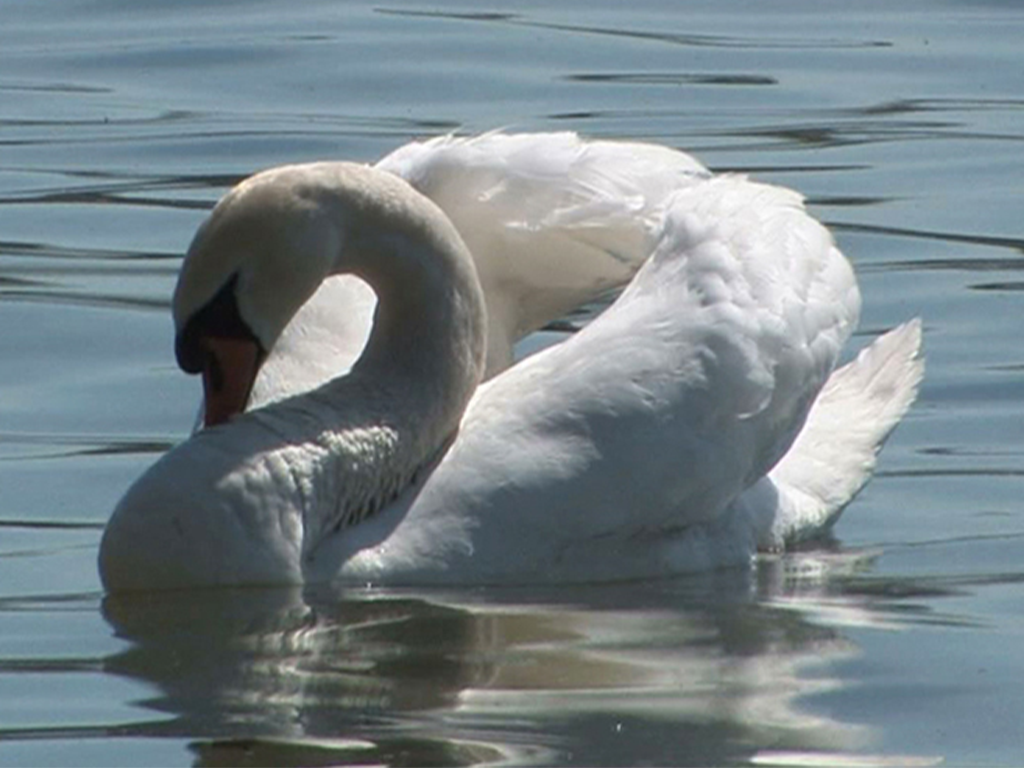
This DVD from the Vertebrates series comprehensively introduces birds by means of various examples of indigenous, tropical and polar bird species. Among other things, it provides information on typical bird characteristics such as skeleton and bone structure, structure and function of the beak and feathers as well as the principle of light-weightness. Impressive close-ups of prepared bird bones as well as of a feather’s vane serve to illustrate these aspects. The adaptability of birds to the environments of air, land and water as well as to different kinds of food are shown by means of the examples of typical representatives of the species such as eagle and falcon, emu, duck, moorhen and kingfisher. Here, the pupils also learn about the relation between diet and shape of beak. The reproduction and breeding of birds is illustrated with impressive outdoor pictures of courtship and nest-building with different bird species, the hatching of a chick, the raising of grey herons up to the squabs’ first attempts at flying. Furthermore, the menu includes additional pictures as well as a tabular list of the different breeding times of altricial and precocial birds. Thus, this DVD offers flexibility and variety in the classroom and is especially suited for interactive learning.
Play trailer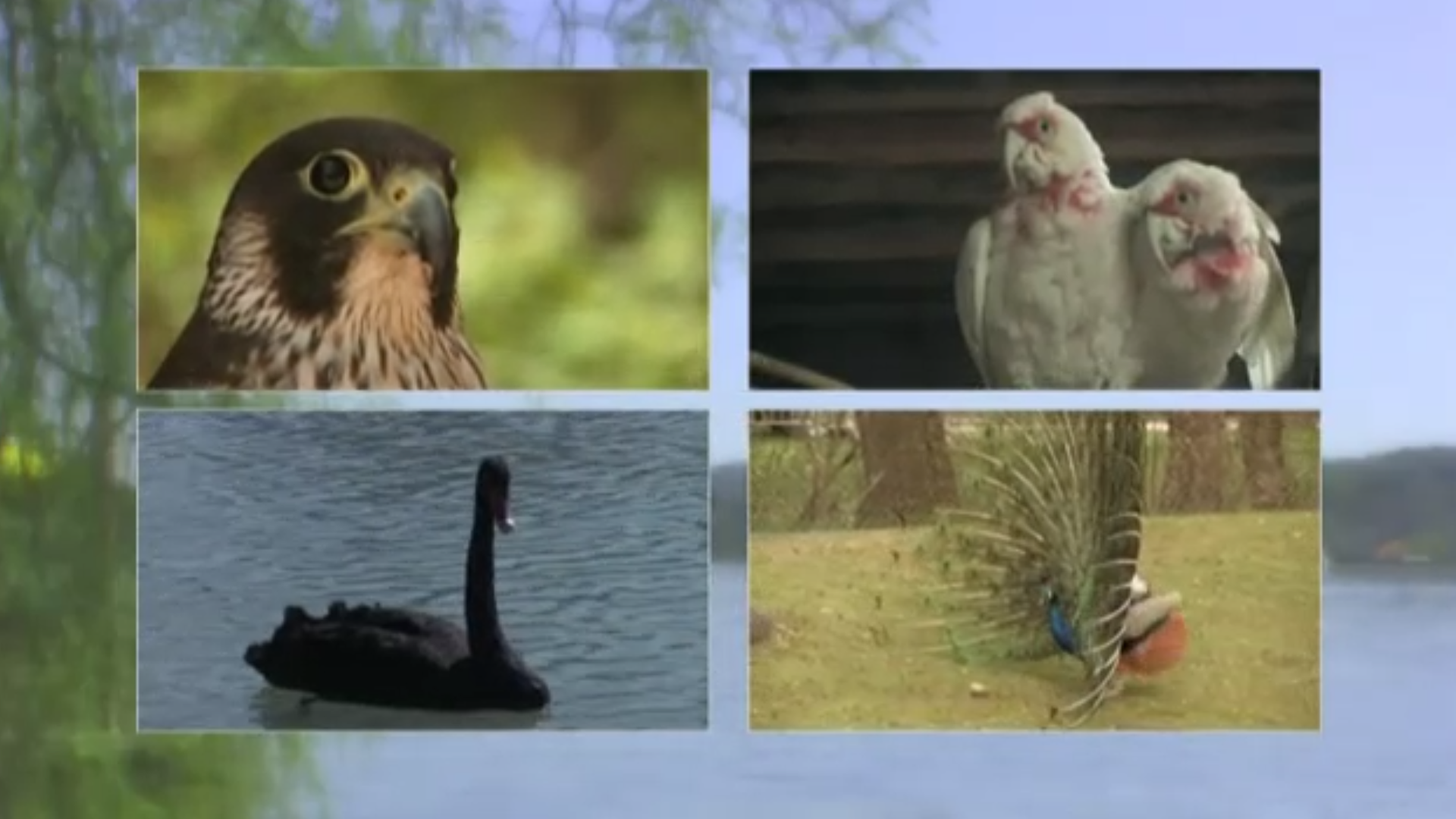
Curriculum-centred and oriented towards educational standards
Matching

Internet Addiction
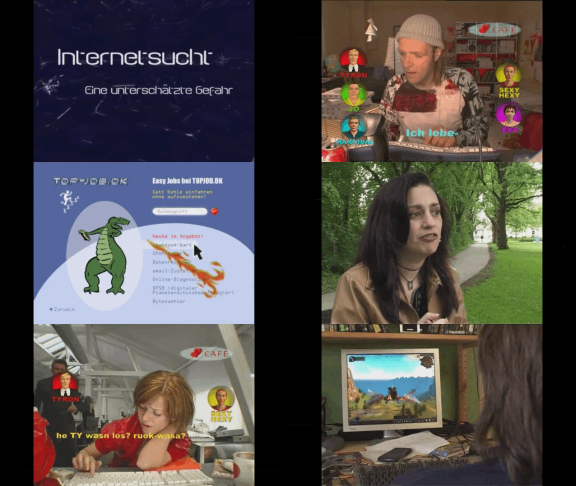
The film consists of two parts. The first part is the 15-minute short film “In the Net”. It describes the problem of excessive Internet use in a humorous way, in particular the risk of losing touch with reality when chatting. The second part illustrates with three real persons how Internet addiction can develop and the problems encountered by those who are afflicted. The authentic statements are commented by an experienced therapist. For many pupils, the issues addressed here are related to their everyday lives. What is a “sensible” use of the Internet, where does pathological addiction start? In contrast to addiction to alcohol, nicotine or drugs, the public seems to be largely ignorant of the problem of this addiction, which is not related to any substance abuse. The film provides material for discussion in the classroom (crossdisciplinary) and can be used as a basis for the formulation of prevention strategies.
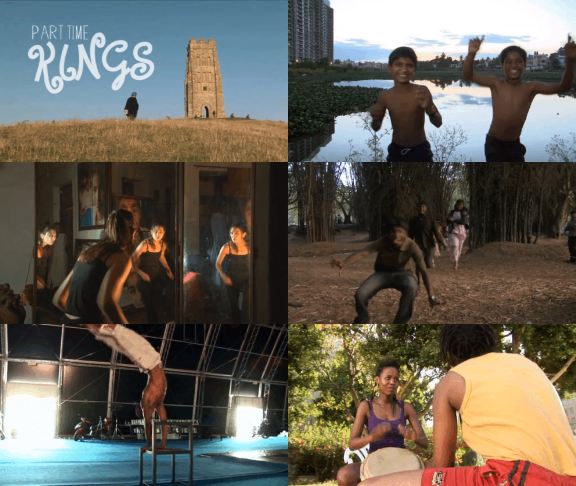
Part Time Kings
Your children are not your children
Peer Mediation
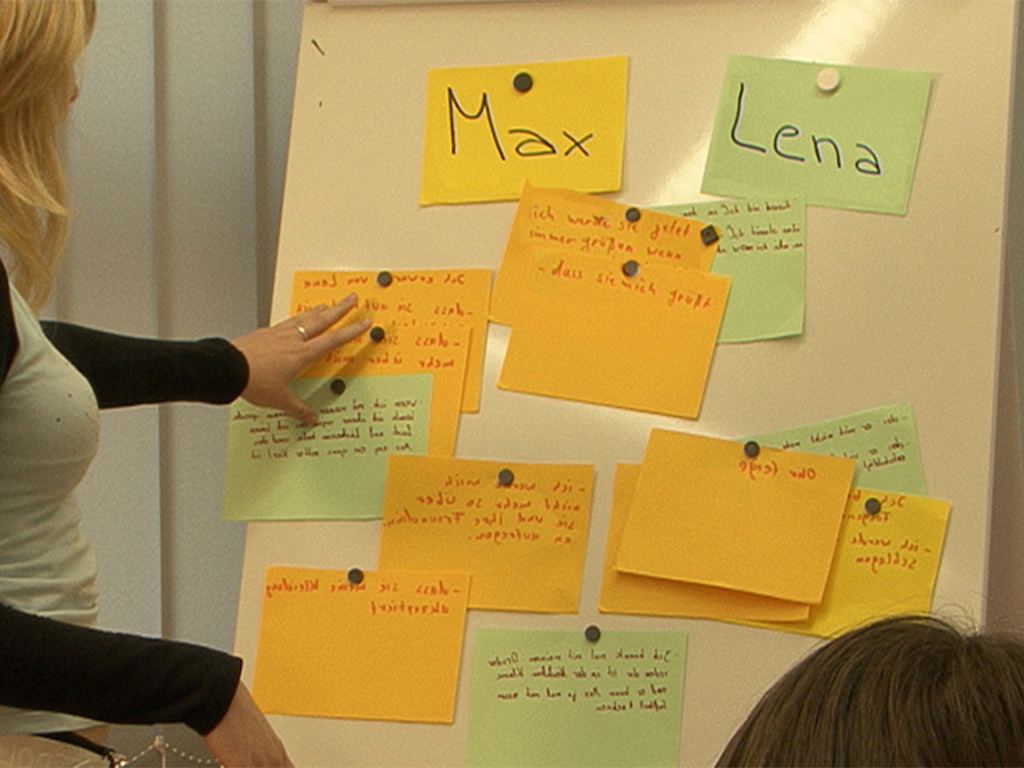
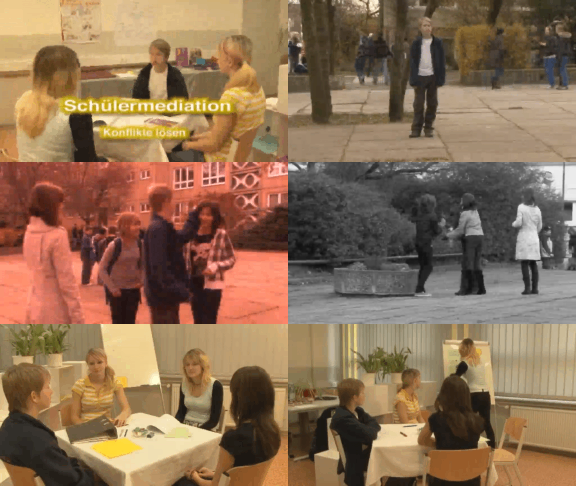
Lena and Max attend the 7th form. Max is new in class. During a break, Max notices that Lena and her friend are laughing at him again. Max loses his temper! He slaps Lena in the face. That hurts and Lena runs back into the classroom with a red cheek. The growing conflict between the two has escalated. Just like Lena and Max, every day pupils all over Germany have rows with each other. At the Heinrich Hertz Gymnasium in Thuringia, pupils have been trained as mediators for years. At set hours, they are in a room made available by the school specifically for mediation purposes. The film describes the growing conflict between Max and Lena and shows a mediation using their example. In doing so, the terms “conflict” and “peer mediation” are explained in a non-technical way. The aims of peer mediation and its progress in five steps as well as the mediators’ tasks are illustrated. The art of asking questions and “mirroring”, which the mediators must know, is described and explained. Together with the comprehensive accompanying material, the DVD is a suitable medium to introduce peer mediation at your school, too.