







 Biology

4656511 / 5551279
Bees, Bumblebees and Wasps
Observation and Protection
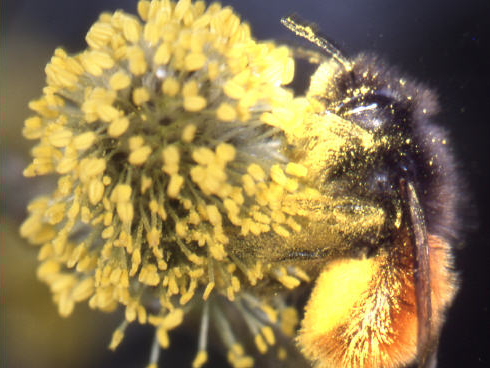
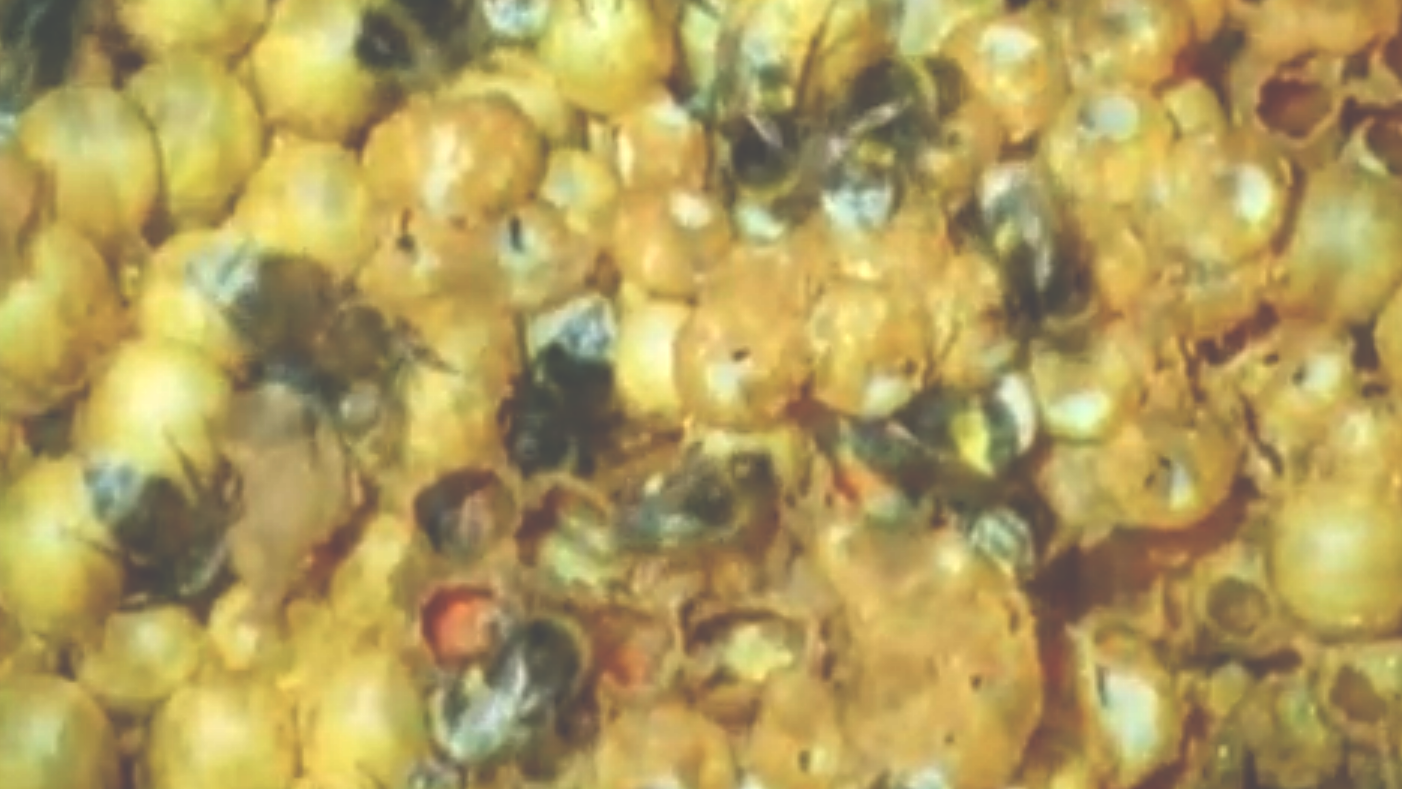
Our smallest domestic animals, the honey bees, belong to the insect order of hymenoptera just like bumblebees, wasps and ants. Many of these insects live in huge colonies with division of labour and a caste system. However, there also are less conspicuous small hymenoptera like, for instance, the mason- bee, which on its own builds complex nests for its offspring and supplies it with food. We haven’t even noticed that it has followed us into our human settlements and we don’t consider that we are taking away the habitats from these small interesting insects. This film pays attention to all these important plant pollinators, allows insights into the work of bees and wasps and shows how we can observe and protect them.
Play trailer
- <> Languages : DE, EN, TR
- <> Target Groups : Sek I
- <> Subject : Biology
- <> Length : 22:00 min
- View in learning platform
Licenses
Curriculum-centred and oriented towards educational standards
Matching
Part Time Kings
Your children are not your children

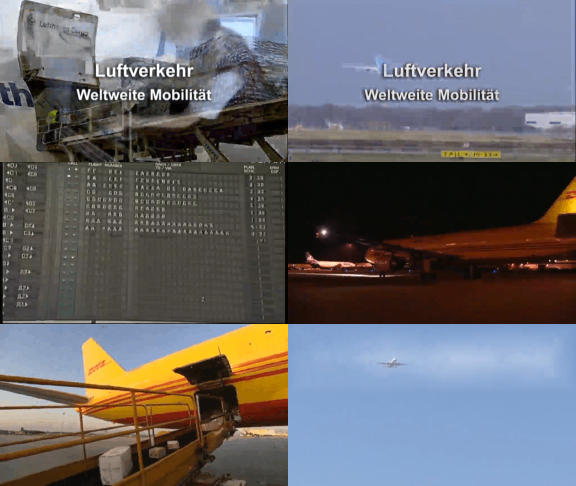
Air Traffic
Being able to fly has been a dream of humanity from time immemorial. But it does not even date back a century that people actually started being able to travel through the air. Since the 1960s, the number of flight passengers has been constantly increasing. Thus, the airspace is no longer dominated by birds but by man-made flying objects.

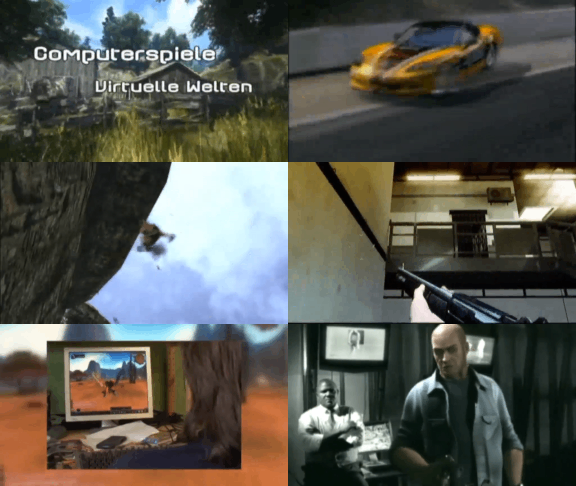
Computer Games
This film covers the topic of computer games in a variety of ways and from many different angles. Apart from the fascina- tion of computer games for users, the historical development as well as the production of computer games are described. The established genres are introduced, the guidelines of the German BPjM are explained. In light of recent public discussions, a neutral overview of the pros and cons of playing computer games is given, and different kinds of player behaviour are outlined. In this film, the pupils will recognise many aspects of their favourite pastime that encourage an independent, constructive use of this medium and reinforce their media competency. The film and teaching material are very closely related to the real-life situation.