






Suche:
- # Artistry
- # Biology
- # Chemistry
- # Ecological
- # Economy
- # English
- # Foreign Language
- # Geography
- # German
- # Health
- # History
- # Informatik
- # Latin
- # Mathematics
- # Media Education
- # Music
- # Physics
- # Politics / Civics
- # Preschool
- # Primary School
- # Religion
- # Society
- # Sports
- # Technology
- # Training of Teachers
- # Vocational Education
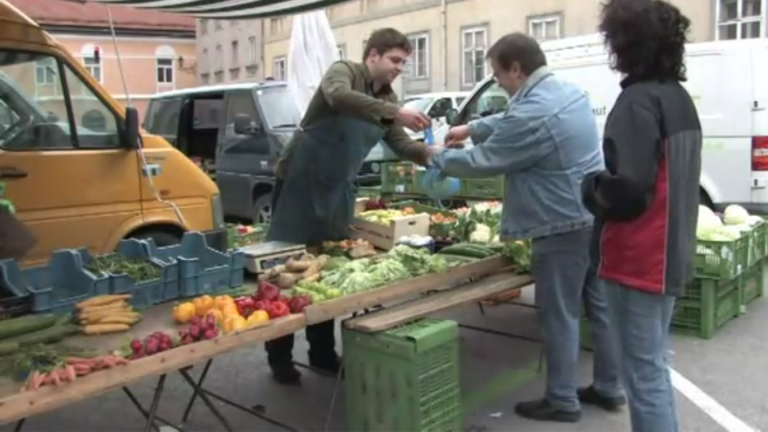
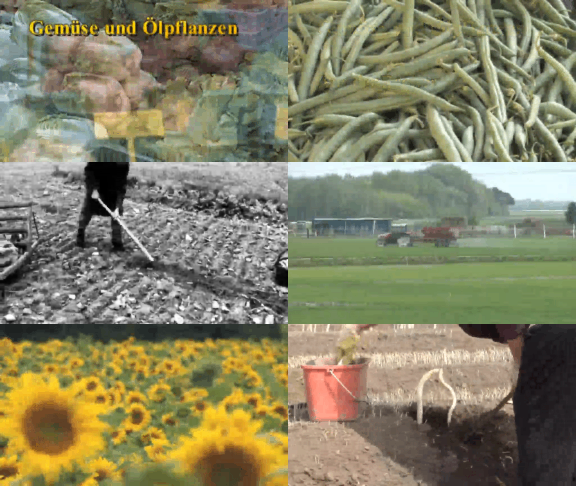
Vegetables and Oil Plants
Throughout the whole year, shops offer us a varied assortment of different kinds of vegetables. But where do the vegetables come from? Originally wild-growing, vegetables are crop plants today. They are sown or planted, cultivated and harvested by humans.
Learn more
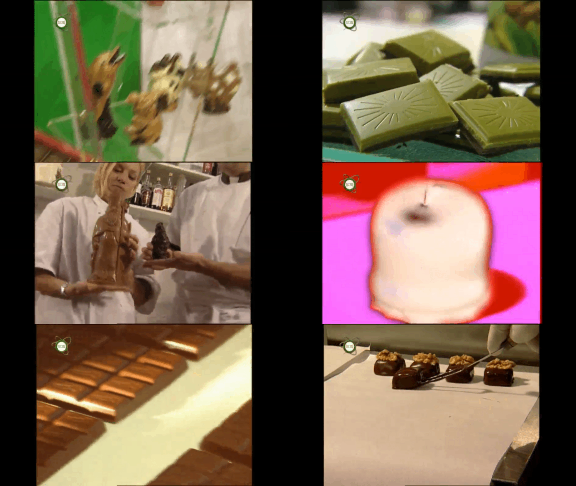
Schokolade
Schokolade – die süße Versuchung. Kaum einer, der dieser zart schmelzenden Köstlichkeit widerstehen kann. Knapp neun Kilo des leckeren kakaohaltigen Genussmittels gönnte sich der Deutsche 2005 im Durchschnitt. Das liegt nicht nur am guten Geschmack: Schokolade hat auch eine besondere Wirkung auf Körper und Geist. Einige ihrer Inhaltsstoffe sind zum Beispiel gut gegen Bluthochdruck oder Depressionen. "Schau dich schlau!" erklärt, wie Schokolade genau wirkt. Ihren Ursprung hat Schokolade in Südamerika, genossen wurde sie dort als die Sinne erregendes Getränk. Bis zum heutigen Tag werden in Äquatorländern Kakaofrüchte per Hand geerntet, indem sie mit Macheten von den bis zu 15 Meter hohen Bäumen geschlagen werden. Mit den spanischen Eroberern kam der Kakao nach Europa, doch erst im Jahre 1848 gab es Schokolade in Form fester Tafeln. Heute reicht die gute alte Milchschokolade nicht mehr aus – immer ungewöhnlichere Kreationen kommen auf den Markt, darunter gewagte Kombinationen mit Paprika, Sellerie oder sogar Bergkäse. "Schau dich schlau!" zeigt den Weg der Kakaobohne von der Plantage bis in die Schokoladentafel. Außerdem haben sich Joey Grit Winkler und Fero Andersen auf der Internationalen Süßwarenmesse (ISM) in Köln umgeschaut und zeigen die neuesten Trends und die skurrilsten Zutaten!
Learn more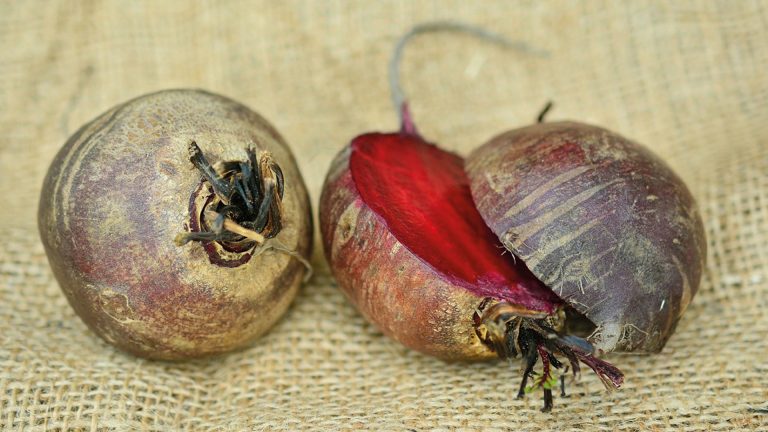
Rote Bete
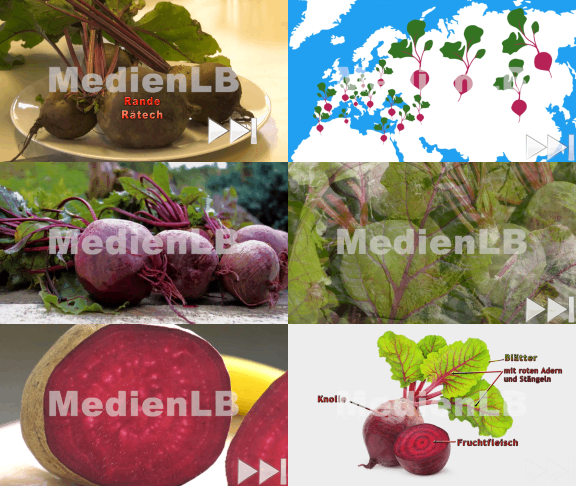
Rote Bete, je nach Landstrich auch als rote Rübe, Rahne, oder Rande bezeichnet, ist ein schmackhaftes Wintervorratsgemüse mit langer Tradition.
Learn more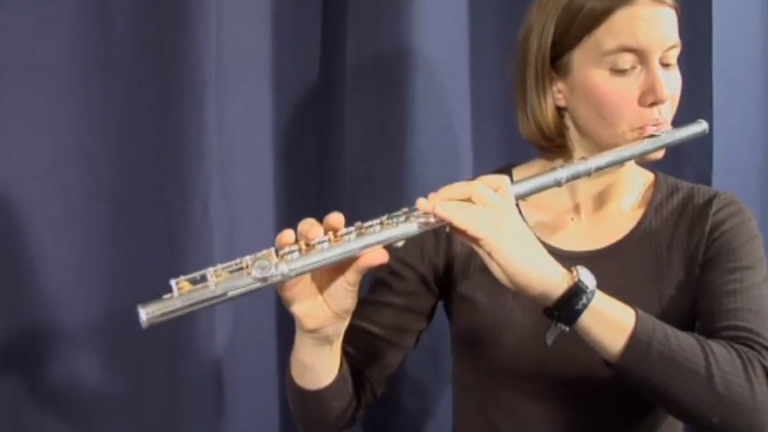

Musical Instruments
Music is an important element of our environment as well as of human culture. By listening attentively, pupils will obtain a finer perception of their musical environment and its structure, which is to support them in finding out and cultivating their own preferences in music. Part of this is also to be able to appreciate, describe and classify musical instruments. The DVD presents all members of the group of wind in- struments, subdivided into woodwind and brass instruments, describes their sound and how they are played and provides suitable audio samples. This DVD and the didactically arranged accompanying mate- rial are perfectly suited for the classroom both for a focus on single instruments and for an introduction to the topic „Lis- tening to music - Experiencing Musical Instruments“.
Learn more
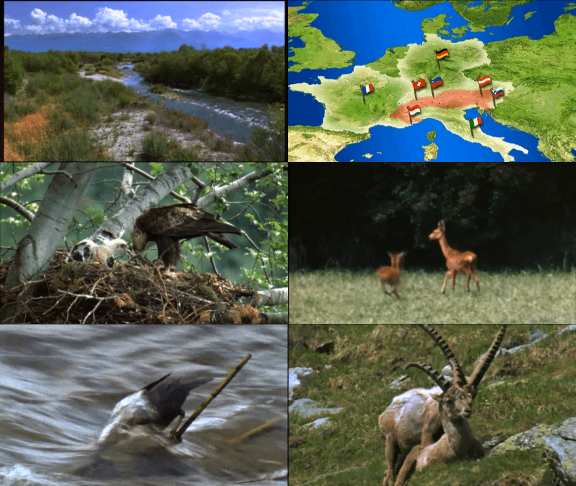
Alpine Animals
The Alps are the highest German mountain range and the highest mountain range in Europe. They are an important habitat for plants and animals. We learn that mountains do not look the same from the valley to the peak but that plants and animals adapt to different altitudes.
Learn more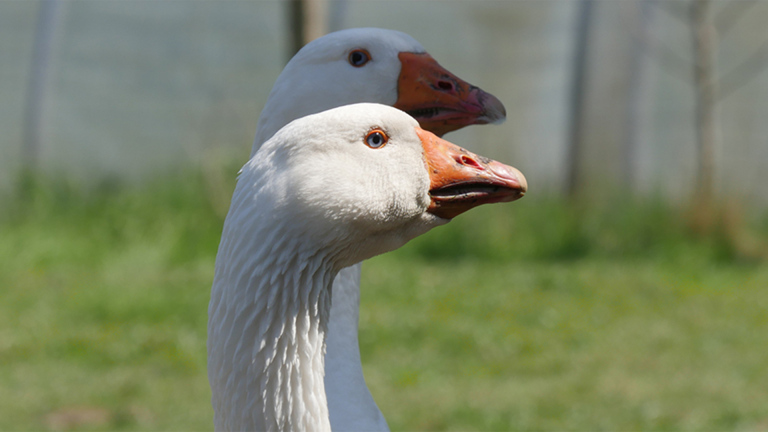
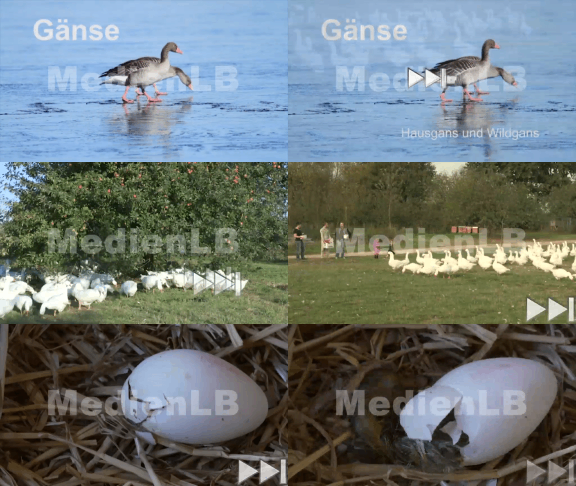
Geese
“They’re gabbling like geese”, “she’s such a stupid goose” or “silly goose”– those are commonly known sayings.
Learn more

Children’s Rights in Germany
25 years have passed since the Convention on the Rights of the Child was adopted unanimously by almost all countries of the world.
Learn more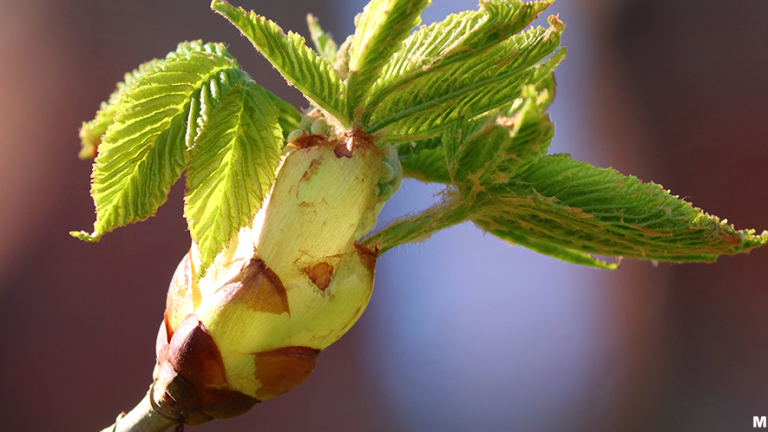
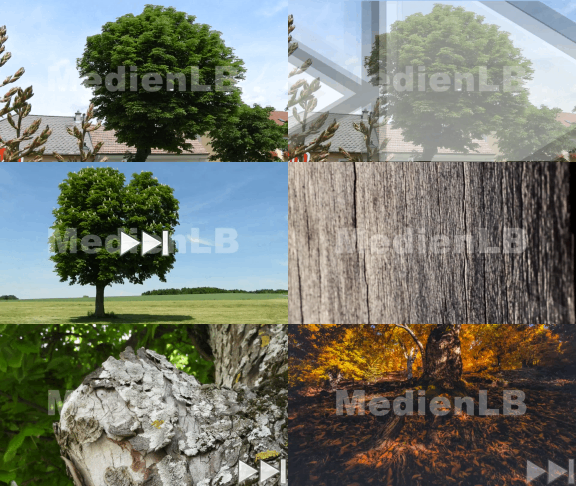
Kastanienbaum
Die Rosskastanie ist ein in Mitteleuropa heimischer Baum, die ursprünglich vom Balkan stammt.
Learn more
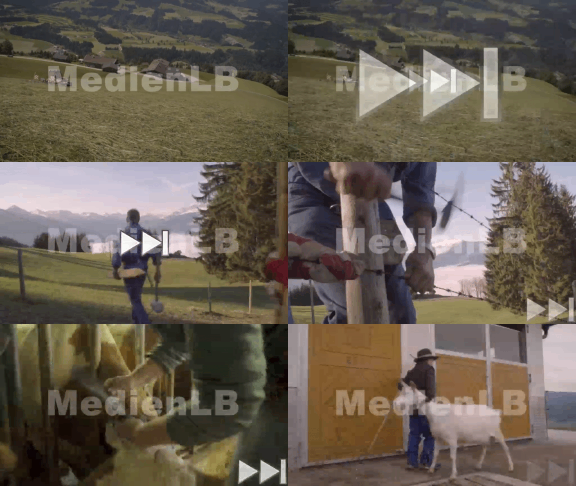
Bauernhof
Die Landwirtschaft ist die Quelle unserer Nahrung. Fleisch, Gemüse und Milch werden in landwirtschaftlichen Betrieben produziert.
Learn more
MedienLB has been producing award-winning school films and interactive modules for the classroom since 2006.

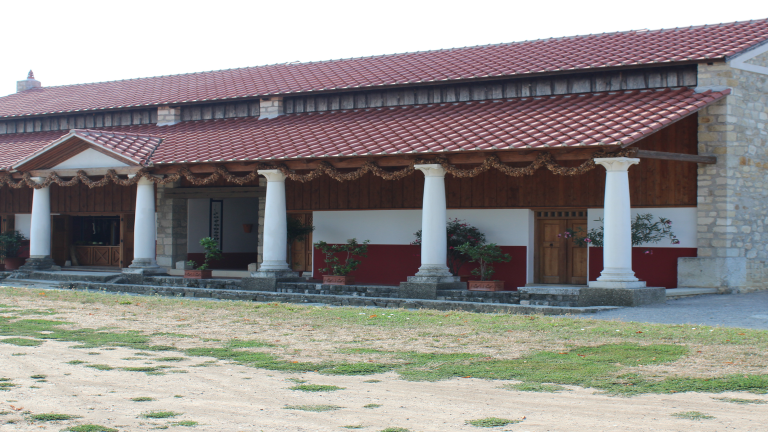
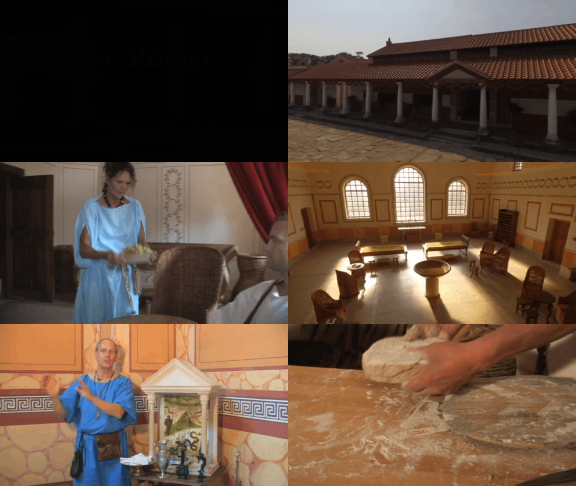
Romans
Augsburg, Cologne, Trier – perhaps you have already heard about these cities. But did you also know that all these cities were built by the Romans?
Learn more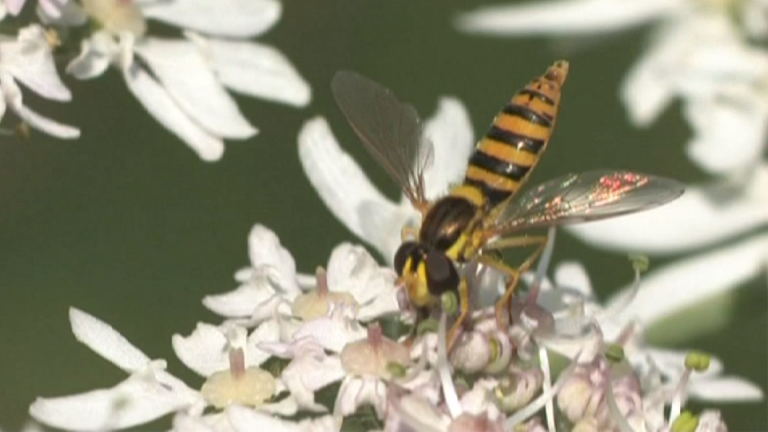
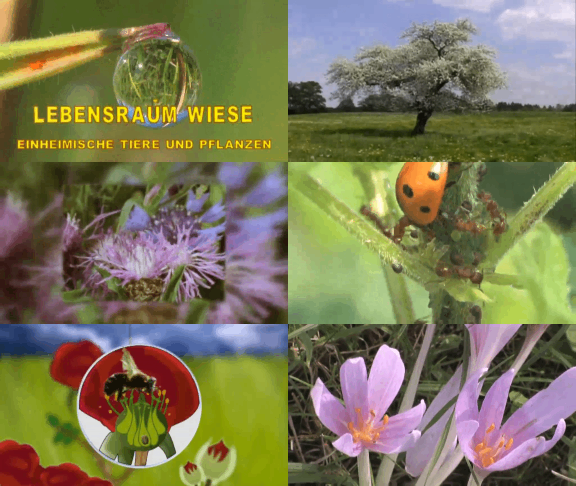
The Meadow as a Biotope
This DVD offers an insight into the plants and animals typically found in the meadow biotope. In an easily comprehensible way, primary school pupils experience a small, exciting world where various kinds of animals and plants co-exist. The film aims at improving the children’s understanding of animals and at arousing their curiosity for plants and animals. The DVD covers the following aspects of the topic of “meadows”: Types of meadows (creation of a meadow, marshy meadows, dry meadows, wet meadows, fertilised meadows); plants of meadows (cowslips, buttercups, dandelions and many more); layers of the meadow and animal habitats (on plants, on and in the ground, etc.); interference with the diversity of species (effects of mowing and fertilising on the meadow); protection of the meadow (responsibility of humans for nature); use of meadow plants (in medicine, human diet).
Learn more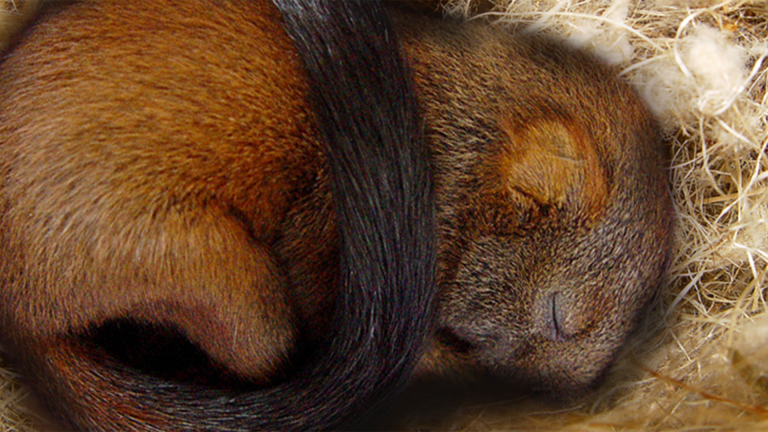
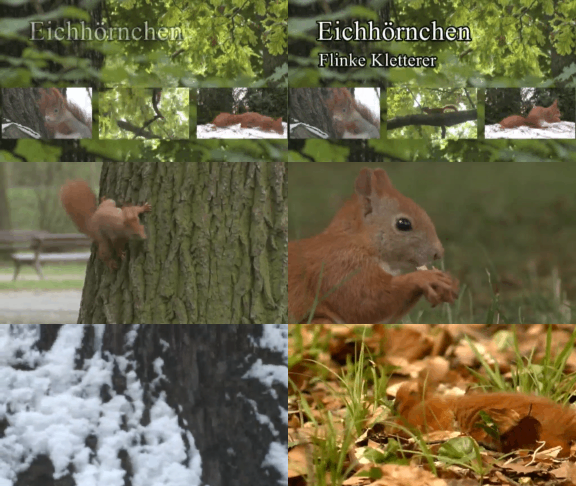
Squirrels
The DVD presents the squirrel in its natural habitat, the forest. Fantastic nature scenes help primary school children to get to know the behaviour of the squirrel in a way that is easy to understand, thus providing them with an important insight into its needs. Its characteristic body structure that makes it an agile acrobat is pointed out and explained.
Learn more