






Suche:
- # Artistry
- # Biology
- # Chemistry
- # Ecological
- # Economy
- # English
- # Foreign Language
- # Geography
- # German
- # Health
- # History
- # Informatik
- # Latin
- # Mathematics
- # Media Education
- # Music
- # Physics
- # Politics / Civics
- # Preschool
- # Primary School
- # Religion
- # Society
- # Sports
- # Technology
- # Training of Teachers
- # Vocational Education
Marine Mammals
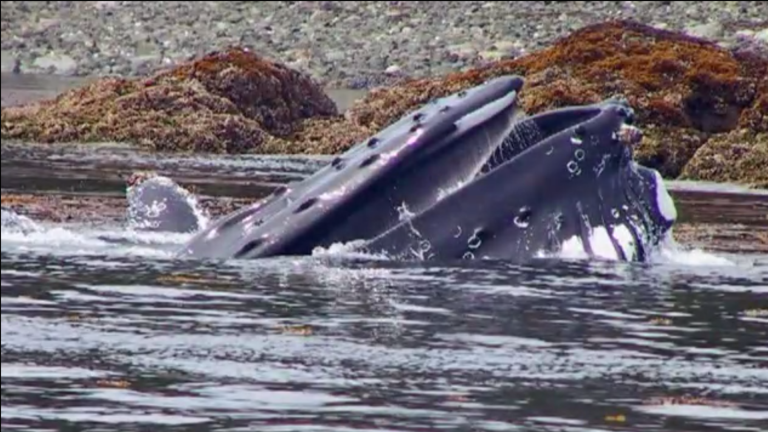
The oceans are the home of whales, which look like fish but, in fact, are mammals like we humans and breathe with their lungs. The film shows the peculiarities of whales, which are divided into two main groups: baleen whales and toothed whales. Baleen whales, among which there is also the blue whale, the biggest of all whales, feed on tiny crustaceans called krill. Toothed whales feed on fish, crabs and other marine animals. One of the best known representatives is the killer whale, which is the fastest marine mammal with a speed of up to 55 km/h. With their leaps they delight the audiences in sea life aquariums. Whether they should be kept like that is a highly controversial issue, however. Whales are also much coveted because of their fat, meat and oil. Having been ruthlessly killed, whales have amost been wiped out and today are subject to international protection. Whale watching boosts people’s interest in these formidable animals. Another threatened animal species lives in the warm and shallow waters of Central America: the sea cows, which feed exclusively on plants and surface for breathing every 2 to 5 minutes. With the extensive accompanying material this DVD is perfectly suited for use in the classroom.
Learn more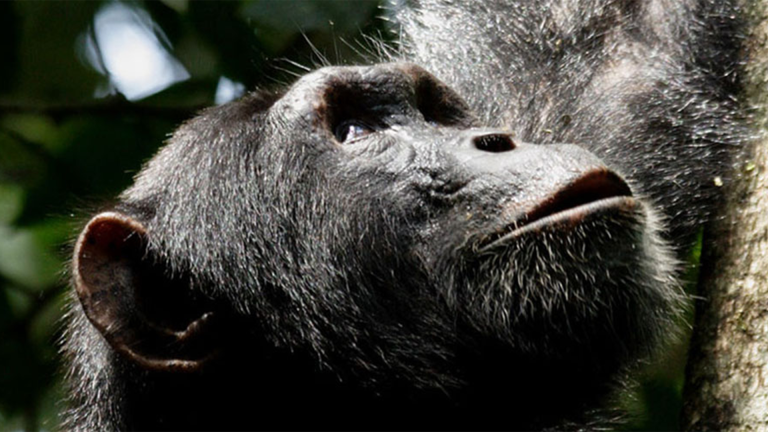
Chimpanzees
They are many children’s favourites. And expert gymnasts in their realm. Dexterously they make their way hand over hand from branch to branch or skilfully climb the long ropes. And in many respects they are quite similar to us – the monkeys, in particular the great apes. These here live in a zoo. But – where, actually, is their true homeland? Apes such as the orangutans, gorillas, chimpanzees and bonobos originate from the tropical rainforests.
Learn more
Christmas
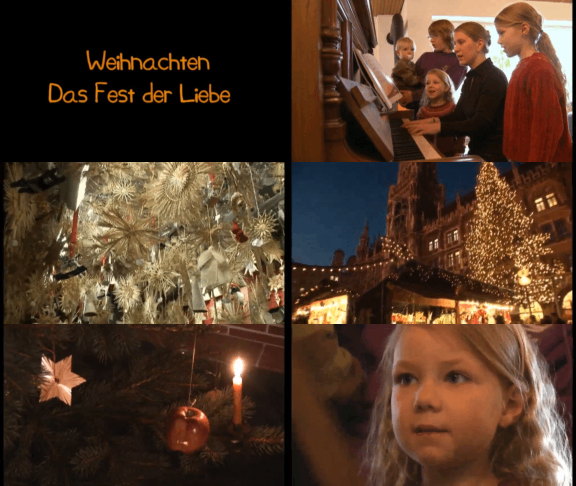
Christmas is a festival celebrated all over the world. Although it is a Christian feast, many people on Earth know and celebrate Christmas. Christmas time is a very special period that somehow casts a spell on the world around us. Streets and houses are decorated and music can be heard from all sides. Although the grown-ups are "under stress", so to speak, in December, it is nevertheless a cosy and pleasant time.
Learn more
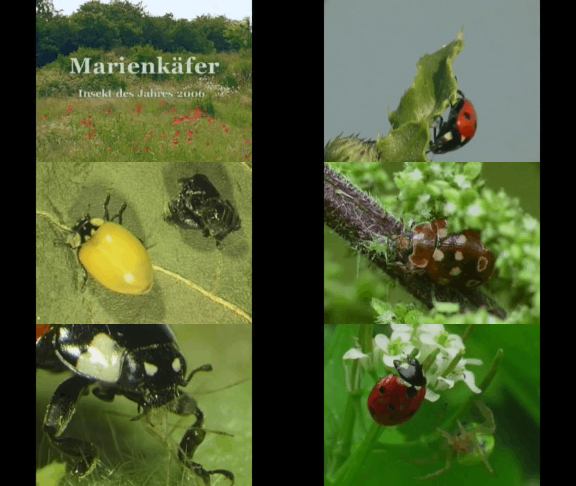
The Ladybird
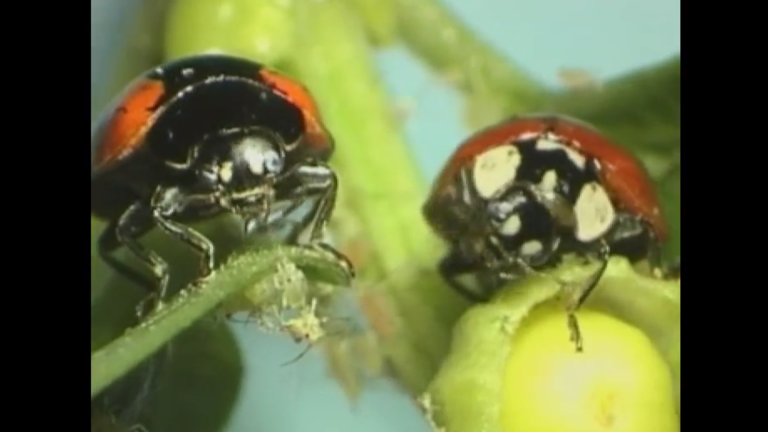
The seven-spotted ladybird was chosen insect of the year 2006. Besides the characteristics of this and other ladybird species, the film also shows the reproduction and develop- ment of various species and their geographic ranges. Fur- thermore, this DVD puts emphasis on the explanation of the ecological web of relationships the ladybird is part of. Here, the relation with humans also plays a role as people have always valued ladybirds because they kill aphids and are pretty to look at. Apart from the ladybird itself, several natural enemies such as insects and spiders are shown in impressive close-ups. The film is highly suitable for overcoming any prejudices the pupils might hold towards these groups of animals.The film is suitable for primary school lessons and secondary school biology studies, including the subject area of ecology in the 8th year of school.
Learn more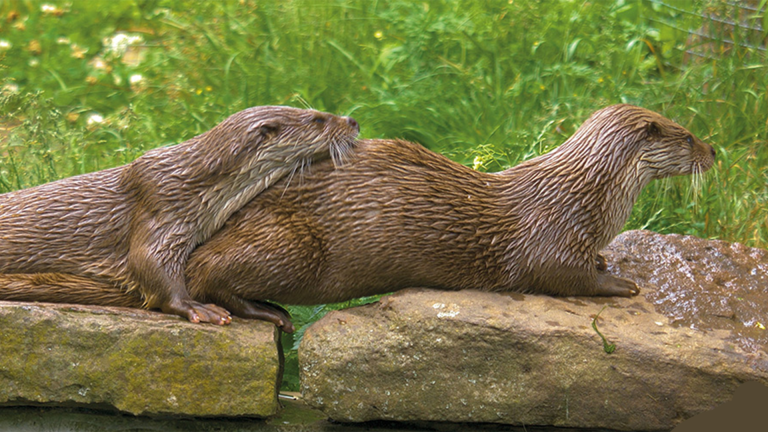
Fischotter
Der Fischotter: Er gilt als Meisterschwimmer und Taucher! Sein Fell besteht aus 70.000 Haaren pro Quadratzentimeter! Sein Lieblingsmahl ist Fisch!
Learn more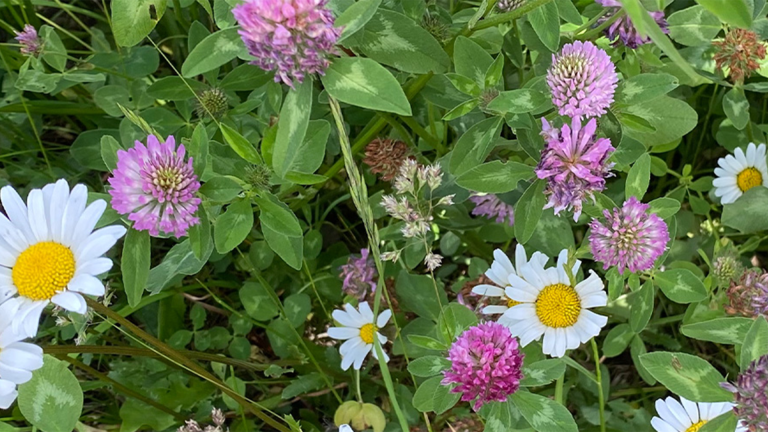
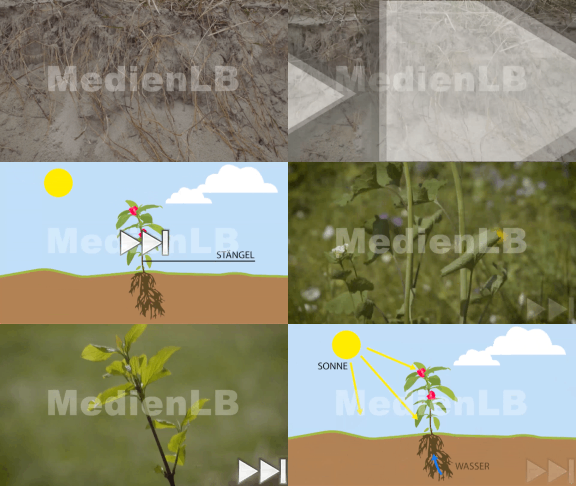
Heimische Pflanzen
Den Aufbau einer Pflanze von der Wurzel bis zur Blüte, das zeigt dieser Film. Wie sich Pflanzen vermehren, welche Rolle Insekten, andere Tiere oder der Wind spielen, das wird ausführlich erläutert.
Learn more
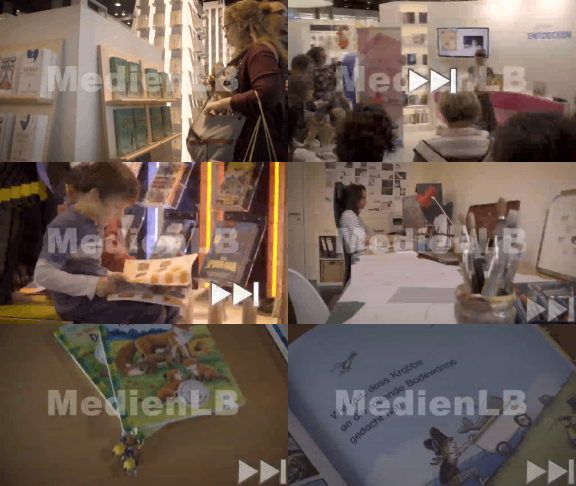
The Making of a Children’s Book
Every year thousands of new books are published. You can get a notion of that vast number at the large book fairs in Frankfurt or Leipzig.
Learn more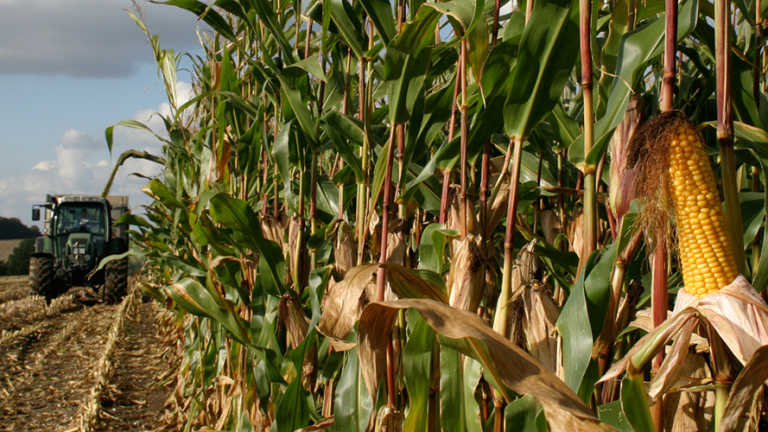
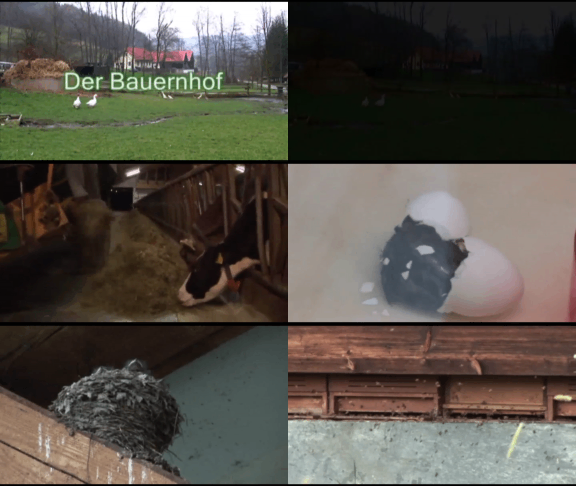
The Farm
This DVD offers some insight into the life on a farm today. In a way easily understandable for primary school pupils, the film shows with simple and tranquil pictures the daily work in an agricultural business. At the same time, a number of domestic animals are introduced to the children and they learn about their characteristics and lives as well as their use for us humans.The DVD covers the following aspects of the topic: Cows and cattle (modern milk production in the milking plant, cow-keeping on the pasture and in the cowshed, birth and rearing of the calves); pigs (pigs as productive livestock, characteristics, preferences, reproduction); poultry (free-ranging chicken, hatching of a chick, turkeys and geese as fat stock); horses and goats on the farm (information on these domestic animals, their use); small animals on a farm (cats, dog, bees, swallows); agricultural crops (types of cereal like wheat, barley and corn, tilling of the fields, transport and storage of hay using modern farming machines).The film is divided into six menu items (chapters). Each chapter can be individually accessed and worked on.
Learn more
MedienLB has been producing award-winning school films and interactive modules for the classroom since 2006.
Postal Service
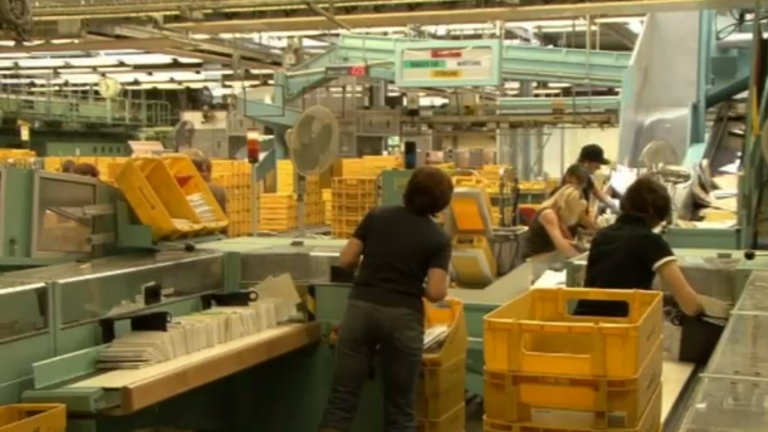
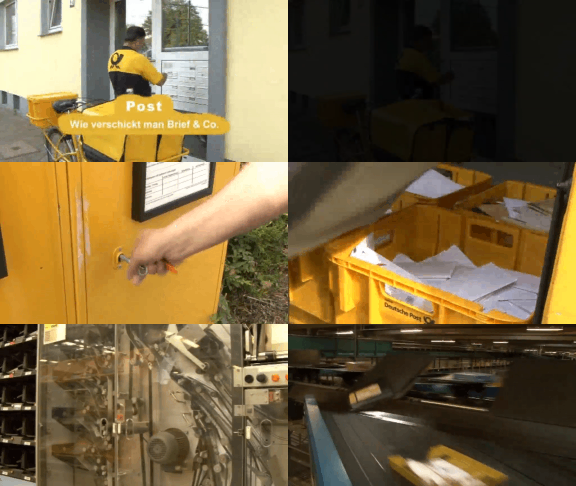
The postal service as an organisation for the delivery of news and retail goods through letters, postcards, parcels and packages is considered a part of the pupils‘ life experience and thus dealt with at primary school. This film is meant to illustrate this important procedural part of the children‘s lives and to make it intelligible to them. It deals with the writing, addressing, stamping and sending of a letter, with the importance of stamps, with the letter box and its emptying and the journey of a letter or a package from the sender to the addressee. Both as an introduction to the topic and as a tool in the hands of the pupils when working individually or preparing projects, the DVD and the didactically arranged accompanying material are perfectly suited for the classroom. A short excursus on the history of the stamp and a glance behind the scenes of a letter centre as well as a sorting centre, which usually cannot be visited, complete this informative DVD on the postal service.
Learn more
Die innere Uhr
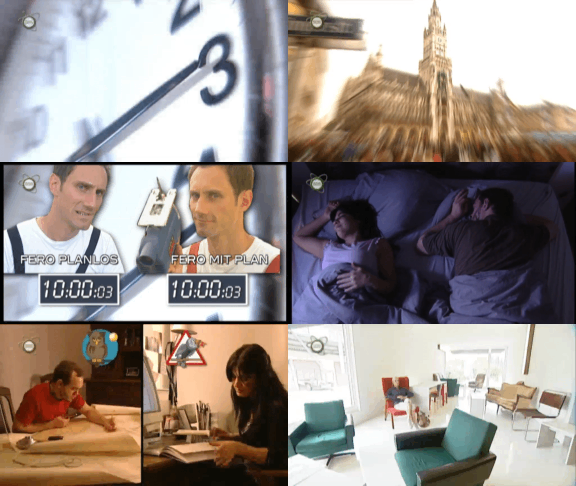
Der Faktor Zeit bestimmt unser gesamtes Leben. Manchmal scheint sie dabei still zu stehen und manchmal scheint sie nur so zu rennen. Zeit ist zwar eine physikalische Größe, die sich durch Uhren bis auf Millisekunden messen lässt. Das tatsächliche Zeitempfinden ist aber bei jedem Menschen individuell unterschiedlich. Woran liegt es, dass dem Einen eine Stunde ewig lang vorkommt, der Andere aber das Gefühl hat, es sei nur ein Augenblick vergangen? „Schau dich schlau!“ will wissen: Was ist mir unserem Zeitgefühl los? Was bedeutet Zeit überhaupt?
Learn more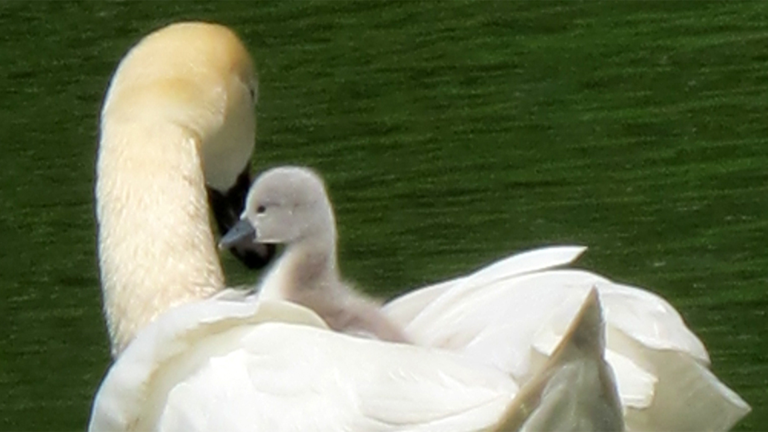

From Hatchling to Swan
This native water bird glides majestically across the water. It has a graceful curved neck. But how does a small “grey duckling“ change into an “elegant swan”? At the age of two to three years, Mute Swans can have swanlings and set out to find a mate. Already in autumn, the mating time for the Mute Swans begins, mating birds, however, can be seen until March. Here, Mute Swans show a behaviour quite unusual in Anatidae: males and females court each other.
Learn more