






Suche:
- # Artistry
- # Biology
- # Chemistry
- # Ecological
- # Economy
- # English
- # Foreign Language
- # Geography
- # German
- # Health
- # History
- # Informatik
- # Latin
- # Mathematics
- # Media Education
- # Music
- # Physics
- # Politics / Civics
- # Preschool
- # Primary School
- # Religion
- # Society
- # Sports
- # Technology
- # Training of Teachers
- # Vocational Education
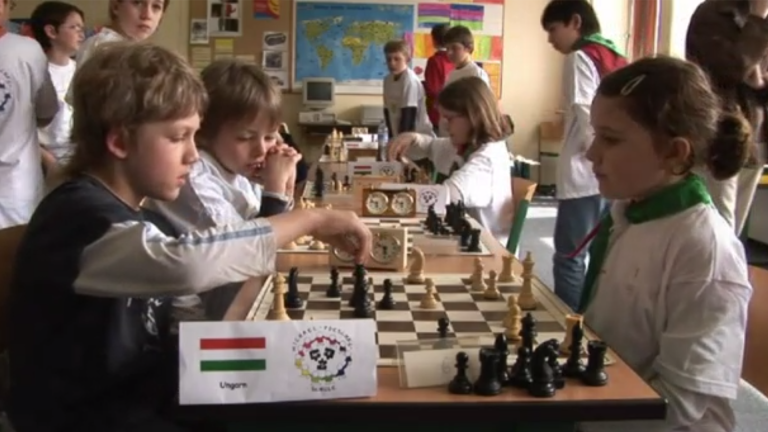
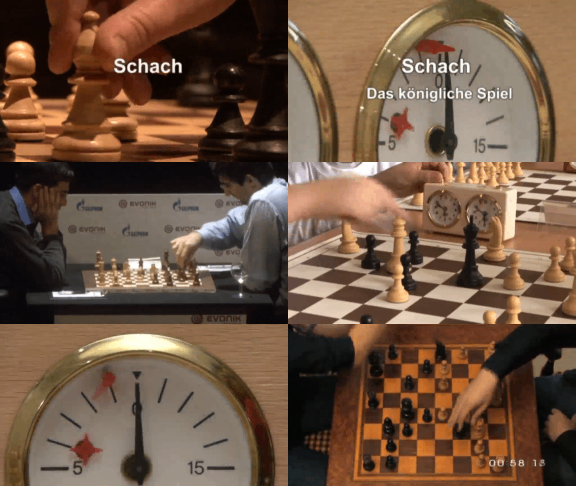
Chess
Whether for professionals or beginners, whether leisure-time activity or hard struggle for championship medals – chess is fun! 550 million people worldwide play chess but only very few of them really reach world-class level.
Learn more
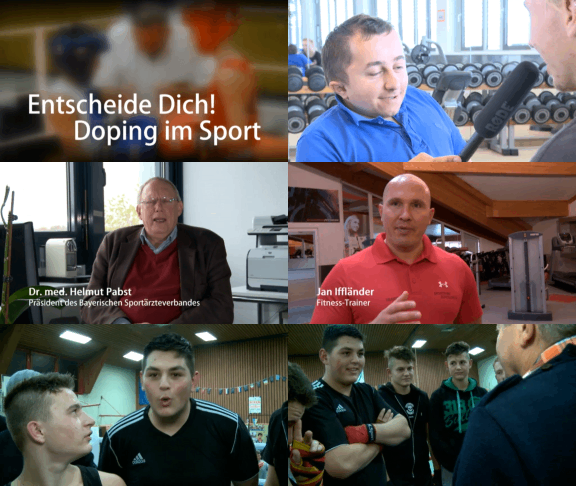
Make up Your Mind!
The young boxer is convinced: »Boxing is fun«. For boxing strengthens your self-confidence because it takes courage, time after time, to step into the ring and because you learn how to fight and to defend yourself. From his personal experience of his first five fights he comments on what a great feeling it is to win. He has not experienced the failure of losing a fight yet, he was able to win four and one ended in a draw. His goal is to have a career, earn money and get better and better. Eventually he wants to be as good as his acknowledged role model the Ukrainian boxer Vladimir Klitschko. He vehemently rejects the idea that Klitschko could dope. The world champion trains his stamina every day by swimming. Then why dope?
Learn more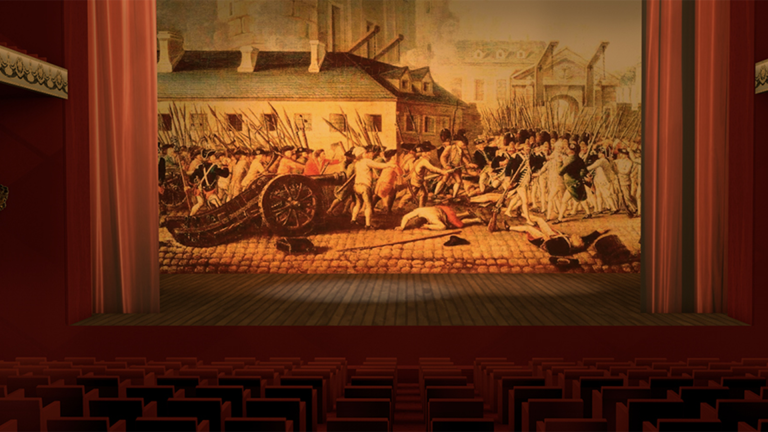
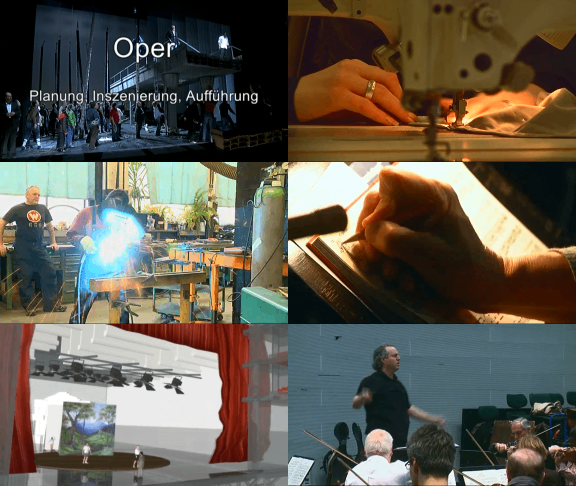
Opera
As soon as the audience has taken their seats, the conductor enters the orchestra pit. When he lifts the baton, the magic ritual of enchantment through music, play and light in an illusory world, which is to true nonetheless, begins. But what is opera, anyway? Let us dare a look behind the scenes! This film presents the institution and the artistic creation of an opera. The pupils learn about the structure of a traditional opera house. They get to know how an opera production is planned and prepared. They see how many people contribute to an opera production from the planning to the first night. What jobs and what manual skills are behind a production? How do make-up artists and costume designers work? How many rehearsals are required? All these questions and a lot more are answered by the film. And if the pupils do attend an opera performance, they will perhaps think of the many people and skills that were needed to make this evening a success. Together with the extensive accompanying material the didactic DVD is perfectly suited for various uses in the classroom.
Learn more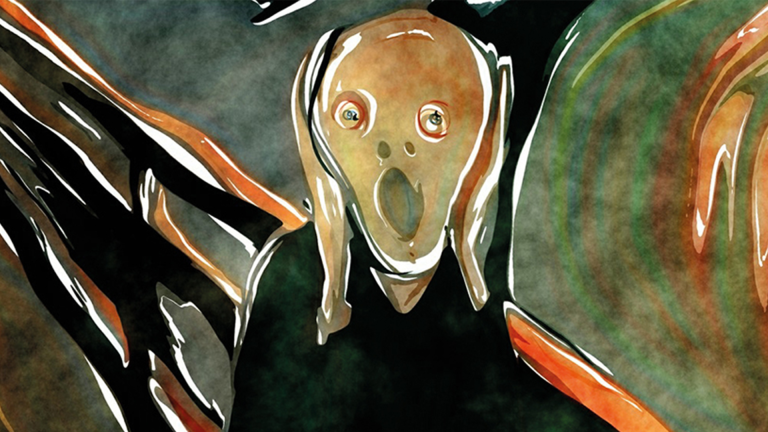
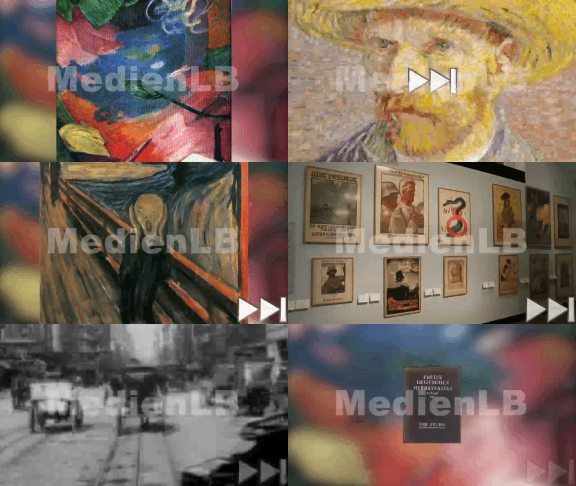
Expressionism
The expression of a painting is meant to depict the artist’s inner world and bring it out. Nature is not simply portrayed as it presents itself to the viewer. Colours play a very important role here because they serve as a medium to express the innermost feelings in a picture. This effect has been achieved by the Expressionist artist Ernst Ludwig Kirchner in the painting “Staberhof Farm on Fehmarn“ of 1912.
Learn more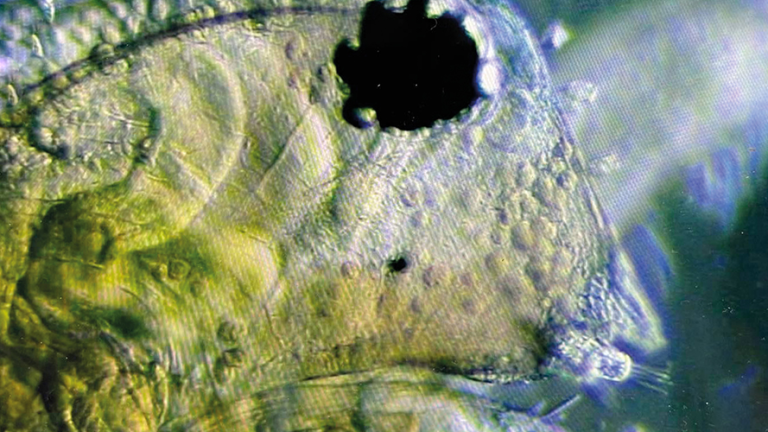
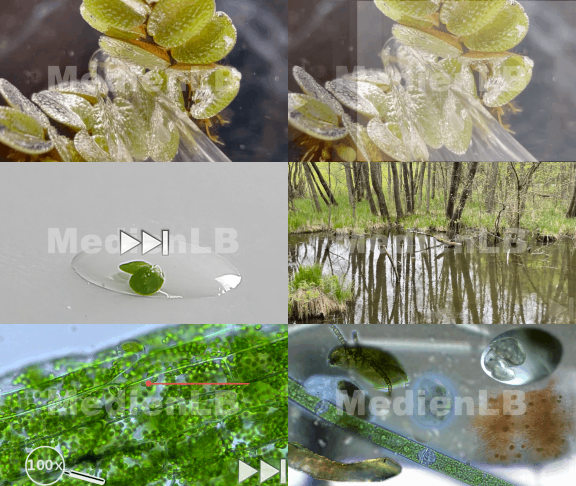
Leben im Tropfen
In einem einzigen Wassertropfen kann reichhaltiges Leben sein: einzellige Tiere und Pflanzen, Algen, Bärtierchen, Würmer, Schneckeneier, Milben, Krebse. Die dreifurchige Wasserlinse lebt untergetaucht und passt in einen Wassertropfen - ein ideales Revier bei der Suche nach Kleinstlebewesen mit dem Mikroskop.
Learn more
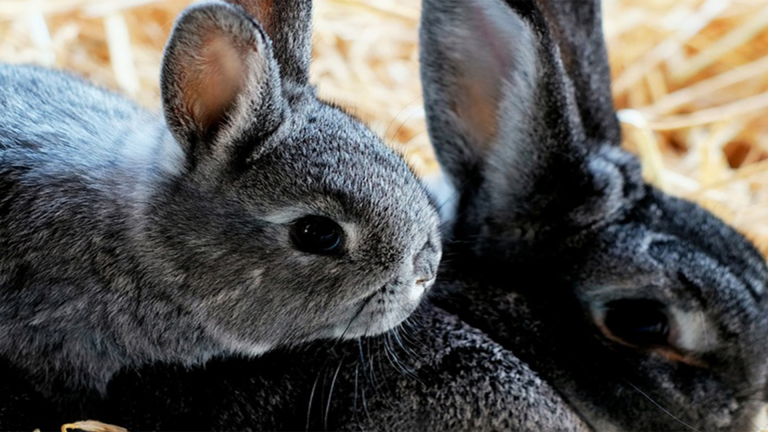
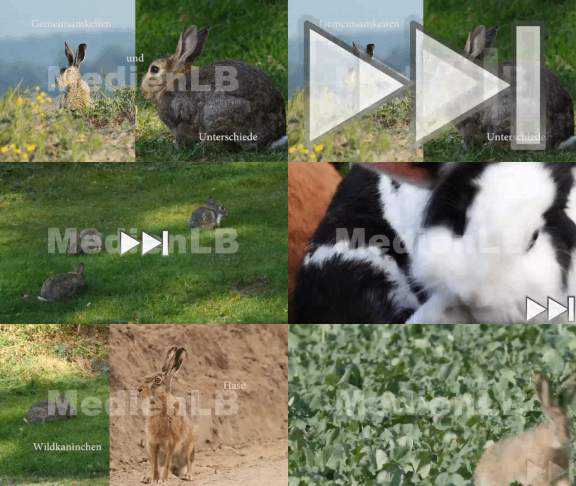
Hare and Rabbit
How do we distinguish between a hare and a rabbit? At first sight, both look confusingly alike for both have long ears and a stumpy tail.
Learn more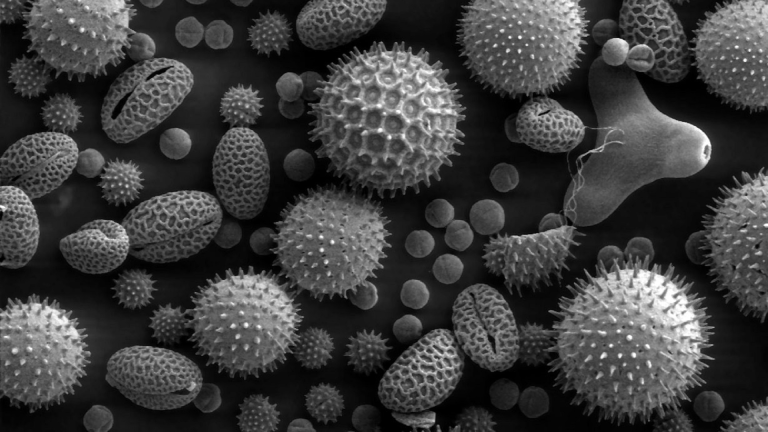
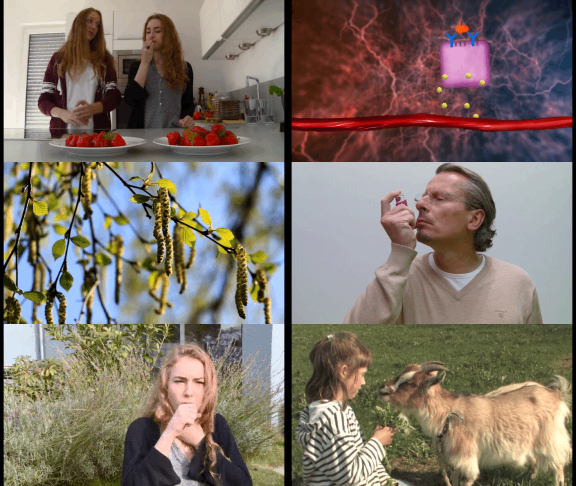
Allergies
The flowering spring meadow, the cute cat from the neighbour’s garden or the bowl with strawberries are a source of joy to most people.
Learn more
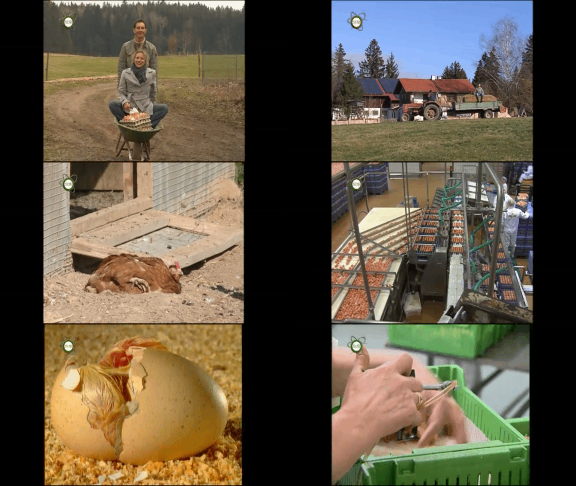
Huhn und Ei
Erstaunliche Zahlen im Zeitalter der Vogelgrippe: Über 18 Milliarden Eier werden jährlich in Deutschland verzehrt und über 10 Kilo Geflügelfleisch landen durchschnittlich im Magen eines jeden Bürgers. „Schau Dich schlau!“ widmet sich heute einer der leckersten Erfindungen der Natur: dem Ei und dem Huhn.
Learn more
MedienLB has been producing award-winning school films and interactive modules for the classroom since 2006.
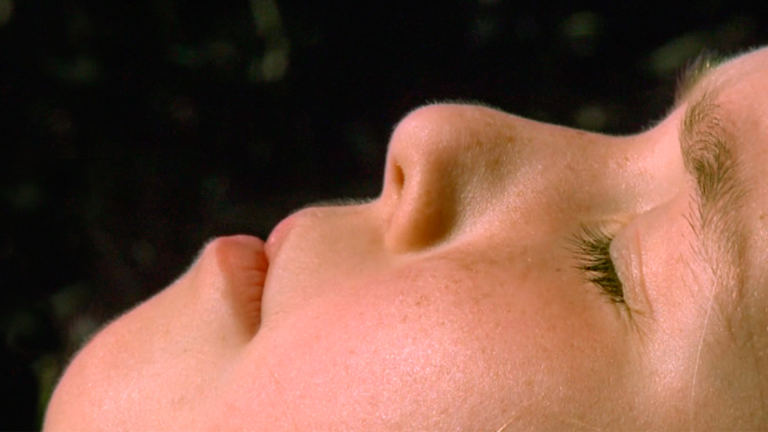

Air and Respiration
The subject of air and respiration offers a variety of starting points for an interdisciplinary approach. This DVD contains essential aspects for teaching pupils in the first years of secondary school. The chemical and physical characteristics of air form the basis for understanding many everyday phenomena, ranging from the development of wind and air pressure to high pressure and low pressure areas in the atmosphere. Last but not least, the foundations for a closer examination of respira- tion are laid. The fundamental phenomenon of respiration is shown from a functional point of view with the help of impressive ani- mations. Different respiratory organs are compared to each other and the basic principle of respiration is explained. The respiratory movements, the path of respiratory air and gas exchange are main points in the “Respiration with Humans” chapter. As a special feature, in its ROM part this DVD offers material for a learning circle dedicated to this subject. Here, many aspects are treated again in a way that pupils can find out facts by themselves with the help of suitable experiments and tasks.
Learn more
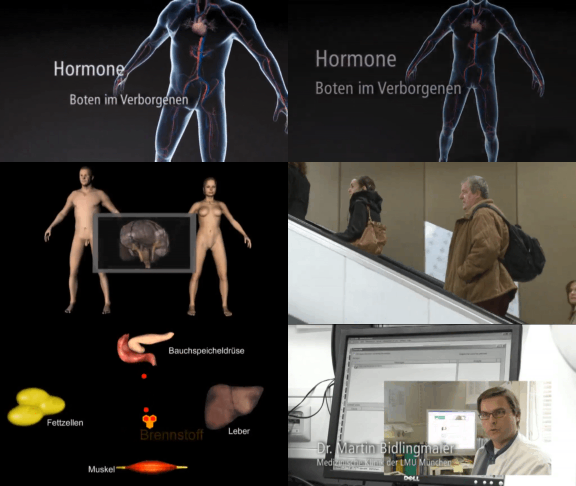
Hormones
Hormones influence our lives. Just like our nervous system, they transmit information in our bodies. When our hormonal balance is disrupted, our behaviour changes and we may fall ill. But what are hormones? Why have they got such a big influence? Where are they produced? And how do they work? The film leads us inside the human body – into the world of hormones. We learn that there are various hormones, where these are produced and how they work. We get acquainted with people whose lives have been influenced by a hormone deficiency or a hormone excess.
Learn more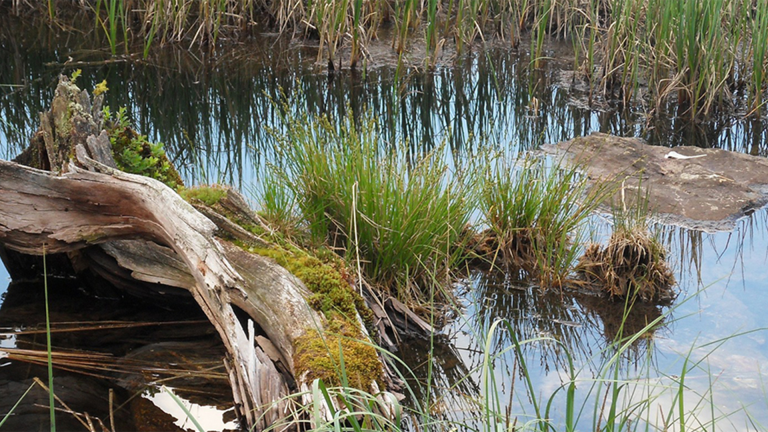
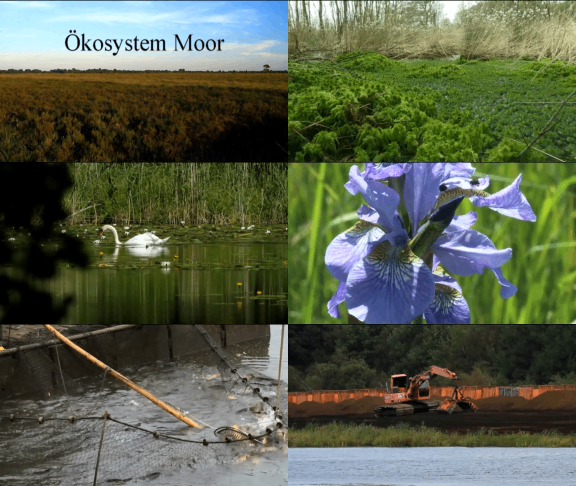
Ecosystem Bog
Bogs are rough, sparse and inaccessible regions, neither water nor land. This applies in particular to raised bogs. One wrong step in this soaking wilderness might be fatal. How a bog is formed was unknown to people for thousands of years. After the last ice age, that is about 10,000 years ago, bog formation began. Enormous amounts of water were released as a consequence of the melting of the ice shields.
Learn more