






Suche:
- # Artistry
- # Biology
- # Chemistry
- # Ecological
- # Economy
- # English
- # Foreign Language
- # Geography
- # German
- # Health
- # History
- # Informatik
- # Latin
- # Mathematics
- # Media Education
- # Music
- # Physics
- # Politics / Civics
- # Preschool
- # Primary School
- # Religion
- # Society
- # Sports
- # Technology
- # Training of Teachers
- # Vocational Education
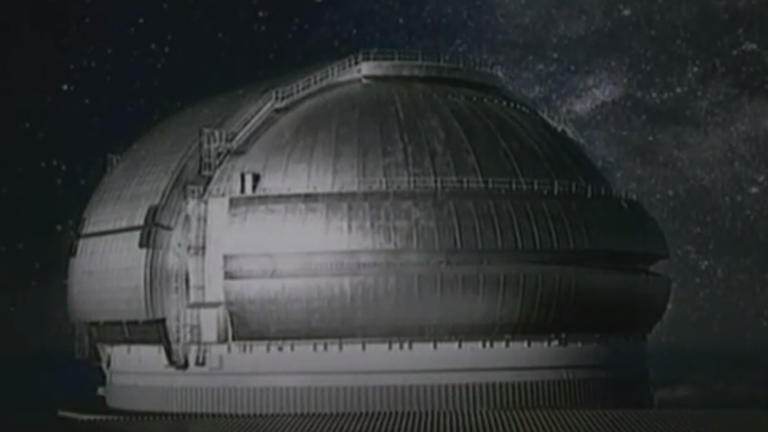

Macrocosm
Macrocosm – what is that? The film discusses this question in detail. Where does macrocosm begin? Can we imagine or even perceive its dimensions? The film illustrates in a descriptive way that macrocosm begins already on Earth, for instance in the forest..
Learn more
Tonaufzeichnung
Jeder kennt sie: externe Speichermedien für Aufzeichnungsgeräte aller Art sowie für PCs und Laptops. Sie sind aus unserer heutigen Zeit nicht mehr wegzudenken.
Learn more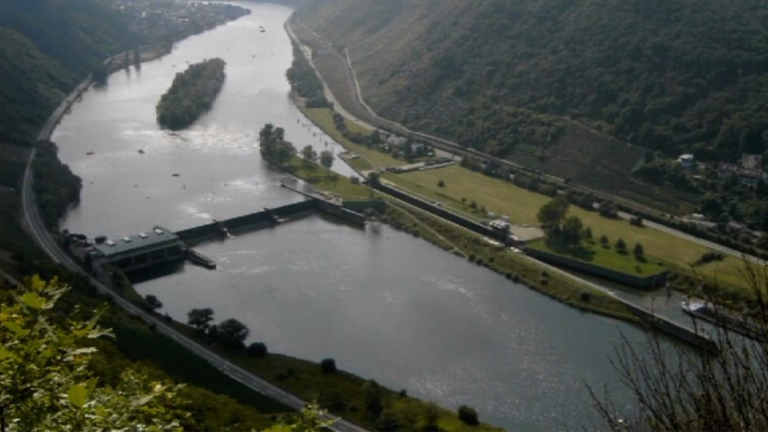

Water Energy
Energy Is Everywhere It is everywhere. Within and all around us. It creates storms and moves the stars of our universe just as it makes a butterfly fly. It makes the plants grow and keeps the atoms together. Without it, we could not move, think and act. Without it, we would not be alive. Our world would not work as we know it if it did not exist: energy. Cars, television or light in your living-room – all our technology only works with the help of energy.
Learn more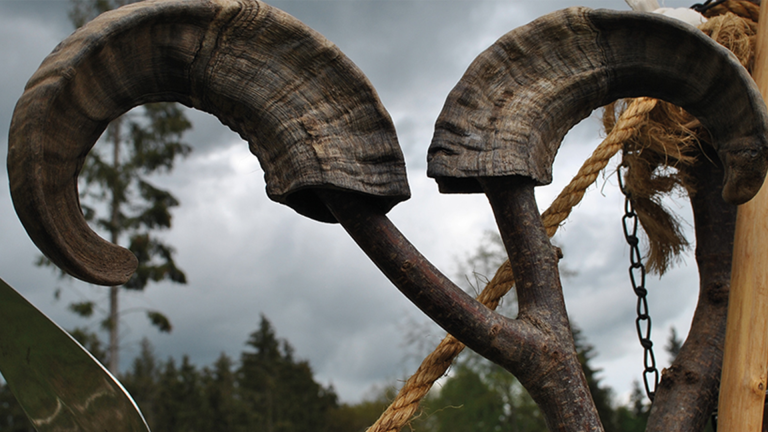
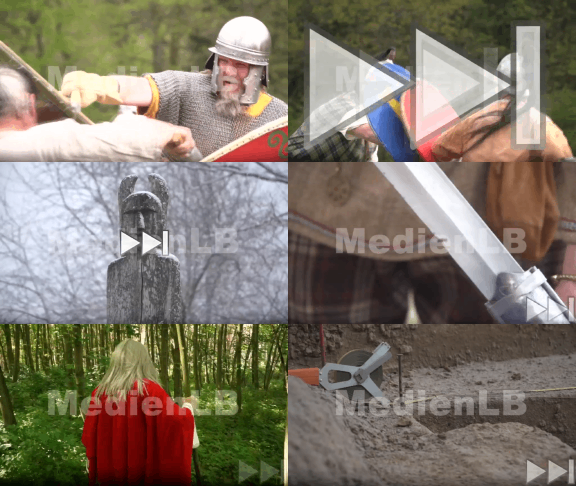
Celts
The term “Celts“ refers to a great number of different ethnic groups. So we do not speak of one “Celtic people”, at any rate not according to modern ethnic criteria, but rather of tribes within the circle of Celtic culture.
Learn more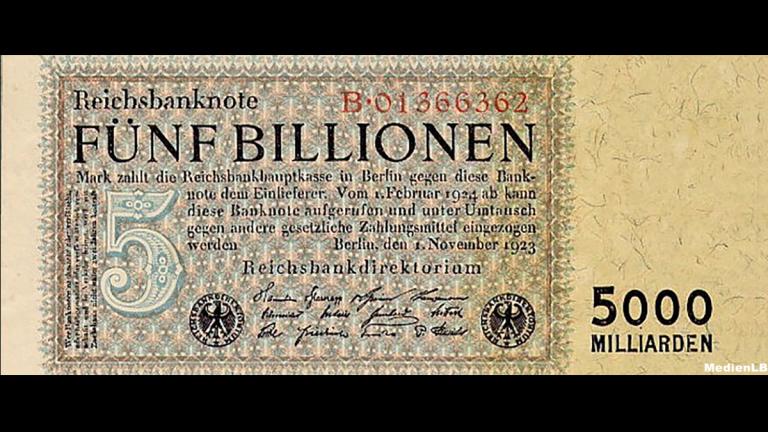

The Weimar Republic
In the heart of the federal state of Thuringia, there is the small town of Weimar, in which the cultural histories of Germany and Europe are blended together in a confined space.
Learn more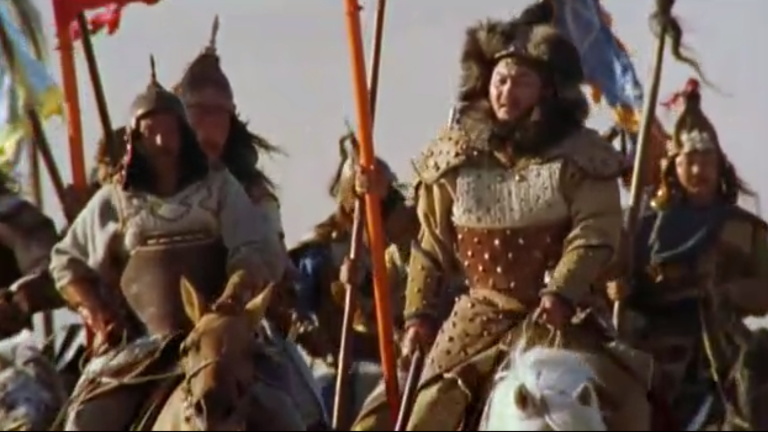
Genghis Khan
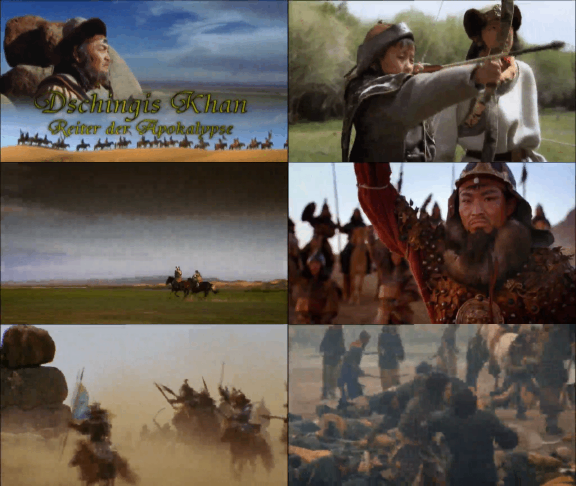
They appeared all of a sudden, as if from nowhere. Wild Mongol hordes on horseback overrun the Asian Steppes and Russian expanses at the beginning of the 13th century. Nobody can hold up their triumphal march. The leader of the Mongols is Genghis Khan, a merciless conqueror and visionary statesman. His myth is still topical today. The myth of Genghis Khan, the “Apocalyptic Horseman”. The film describes the development of the young Temujin to one of the greatest generals in history. Impressive pictures show the live of Genghis Khan from the cradle to the grave. By maps used systematically, his military campaigns are shown and a timeline, which is repeatedly displayed, provides the dates of the conquests. This way, pupils can gain a better understanding of the campaigns and remember the dates better. Interesting bonus material on 13th century Europe and comprehensive accompanying material invite you to cover all aspects of the topic. Thus, history lessons become an impressive experience.
Learn more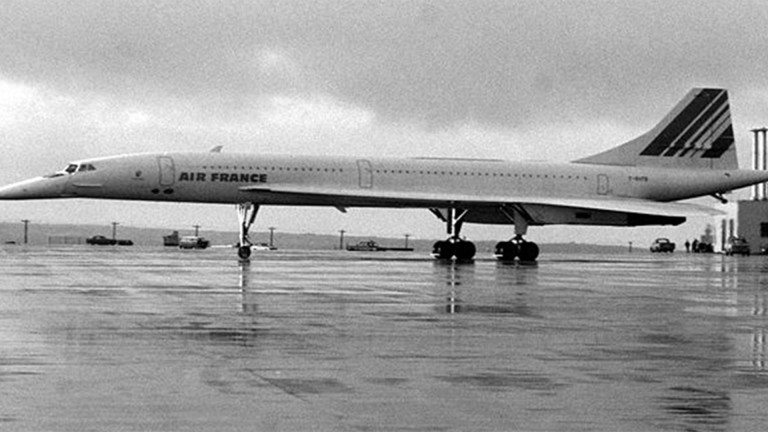
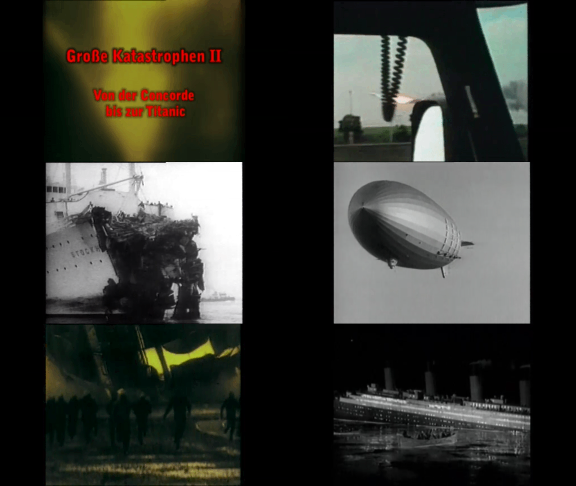
Great Disasters II
A disaster occurs when the balance inherent in a particular phenomenon is disturbed. This may happen either because a new powerful force comes into play that triggers the disaster or because a small – even tiny – causal factor interferes in a situation with an unstable equilibrium and manages to achieve an enormous effect.
Learn more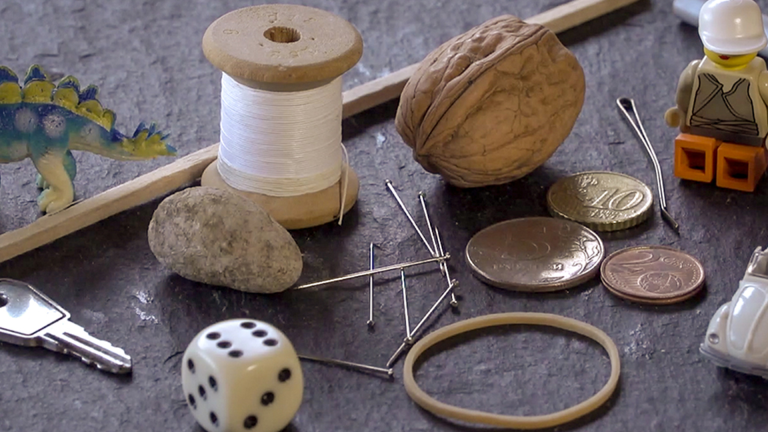

Materials and Substances of Everyday Life
Hearing these words, you first think of the materials our clothing is made of. But all objects surrounding us in everyday life consist of one or several materials.
Learn more
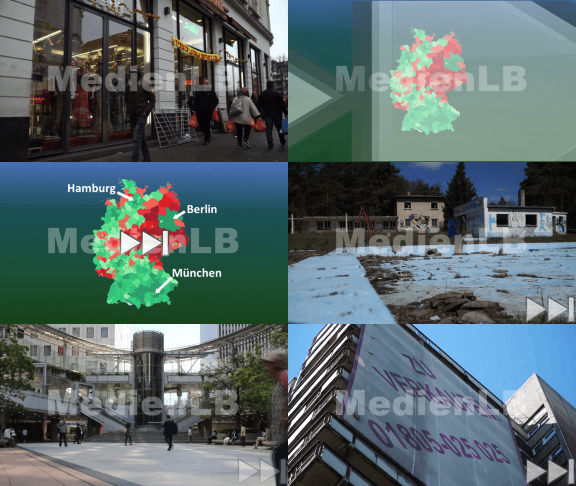
Demography
Demography is the science that examines the structure and dynamics of population. Demographic change describes the dynamics of population size and structure. Tools of the trade for demographers are statistics.
Learn more
MedienLB has been producing award-winning school films and interactive modules for the classroom since 2006.



Nathan the Wise
Nathan the Wise by Gotthold Ephraim Lessing is considered one of the most important dramas of German literary history still today, 235 years after its premiere in Berlin on April 17, 1783. The notion of tolerance of the Age of Enlightenment concerning the various religions in their relationships to each other actually is what makes the play topical still today.
Learn more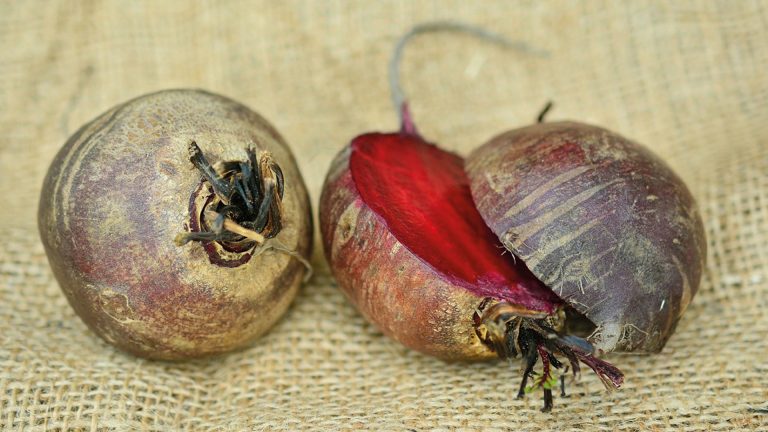
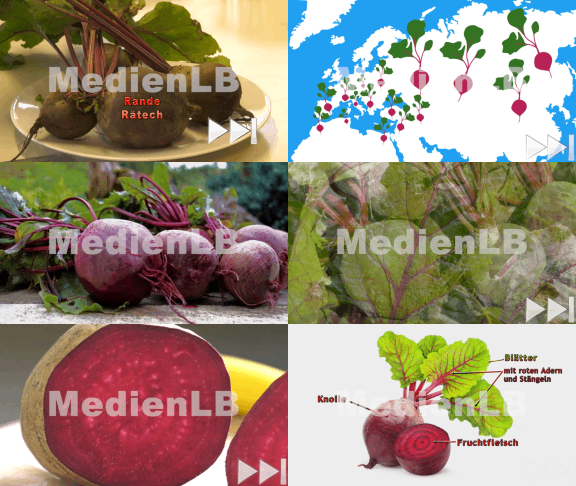
Rote Bete
Rote Bete, je nach Landstrich auch als rote Rübe, Rahne, oder Rande bezeichnet, ist ein schmackhaftes Wintervorratsgemüse mit langer Tradition.
Learn more
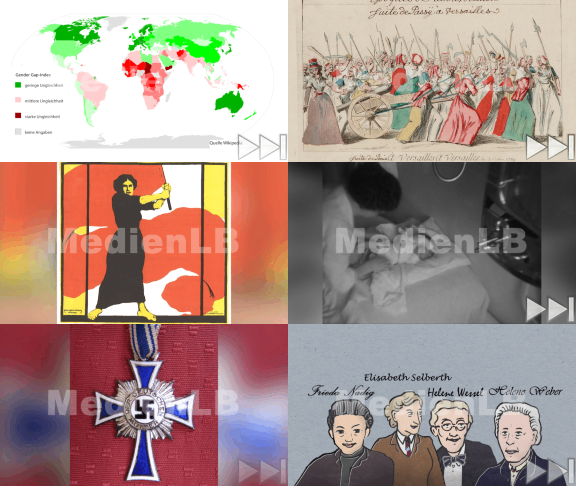
Gleichstellung der Geschlechter
„Männer und Frauen sind gleichberechtigt.“, so steht es im deutschen Grundgesetz in Artikel 3. Doch leben wir tatsächlich in einer geschlechtergerechten Gesellschaft? Der Film gibt darüber Aufschluss. Für den Unterricht empfohlen!
Learn more