






Suche:
- # Artistry
- # Biology
- # Chemistry
- # Ecological
- # Economy
- # English
- # Foreign Language
- # Geography
- # German
- # Health
- # History
- # Informatik
- # Latin
- # Mathematics
- # Media Education
- # Music
- # Physics
- # Politics / Civics
- # Preschool
- # Primary School
- # Religion
- # Society
- # Sports
- # Technology
- # Training of Teachers
- # Vocational Education


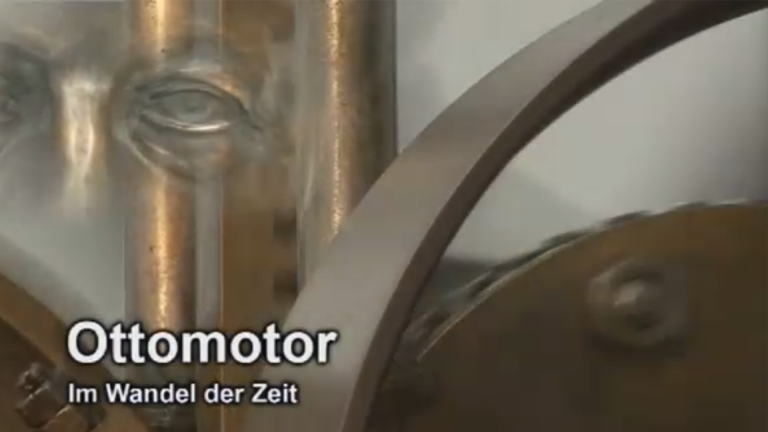

The Otto Engine
This DVD offers an insight into the historical birth of the Otto engine and also describes its latest version – the hybrid engine. In addition, other engines of the future are covered. The life and achievements of Nikolaus August Otto are dis- cussed, with all his successes and failures, from his first en- gineering attempts when reconstructing the Lenoir engine to the presentation of the “atmospheric gas engine” on the Paris World Fair through to his cooperation with Gottlieb Daimler and Wilhelm Maybach. The mode of operation of the Otto engine is explained to the pupils in detail, also with the help of a variety of animations and diagrams. The DVD goes into the four strokes of intake, compression, power and exhaust as well as the Otto engine as energy converter. Crude oil is one of our most important sources of energy. Besides outlining the evolution and processing of crude oil into fuel, this DVD puts emphasis on the increasing shortage of global crude oil resources. Alternative propulsion sources like hybrid engines as well as hydrogen-fuelled or gas-fuelled vehicles offer an environmental-friendly vision for the automobile’s future in times of global climate change.
Learn more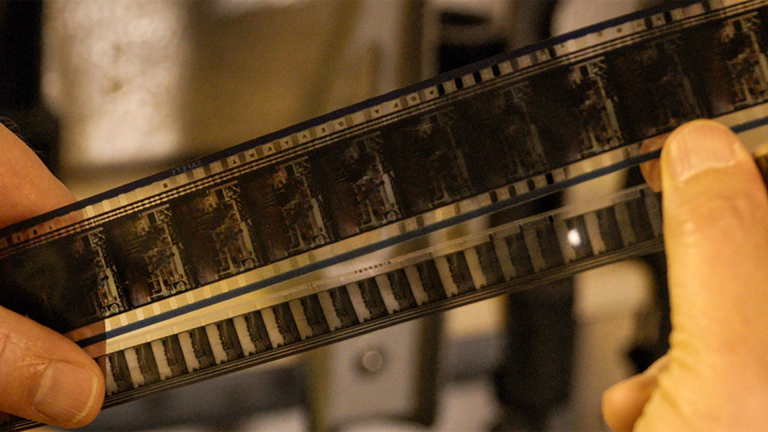

Bilder laufen
Das Prinzip der Camera Obscura war bereits Aristoteles bekannt. Heute gilt sie als Vorläufer der modernen Fotografie.
Learn more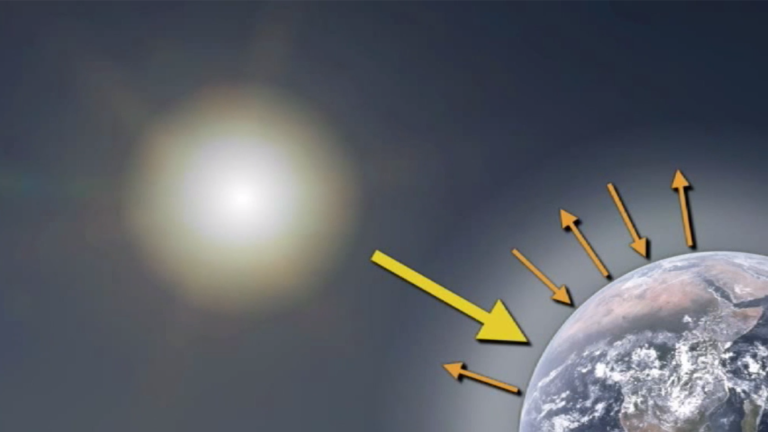

Solar Energy
80 % of our current energy needs are covered by fossil fuels (coal, oil, gas). Their supply may soon lead to severe problems as worldwide stocks will be exhausted one day. That is why the future belongs to renewable energy from sun, wind, water, and biomass. The Sun as an inexhaustible energy source is estimated to be available to us for another 4.5 billion years to come. It supplies us with “clean energy“ that is available everywhere on earth and that exceeds worldwide energy needs many times over. The film presents the pupils with the long history of solar energy use. The functioning of solar collectors, solar cells and solar power plants is explained, the current operating ranges of solar technology are dealt with and an outlook for the future is provided. With the act on the phasing-out of nuclear energy Germany has taken over a pioneering role worldwide in the field of renewable energies. Together with the extensive accompanying material the DVD is ideally suited for use in the classroom.
Learn more
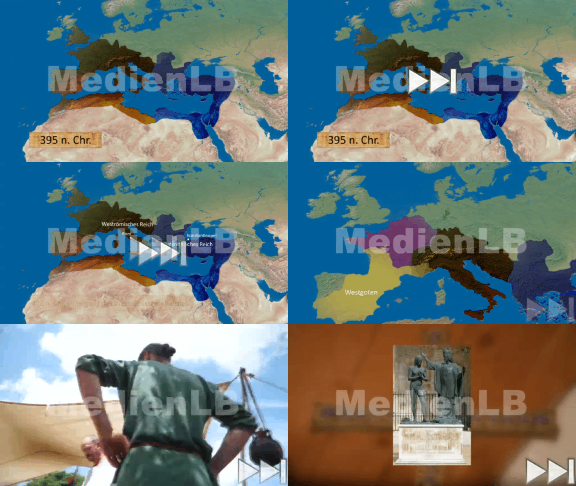
Franks
The Franks presumably arose from various western Germanic tribes originally living between the Rhine and Weser rivers.
Learn more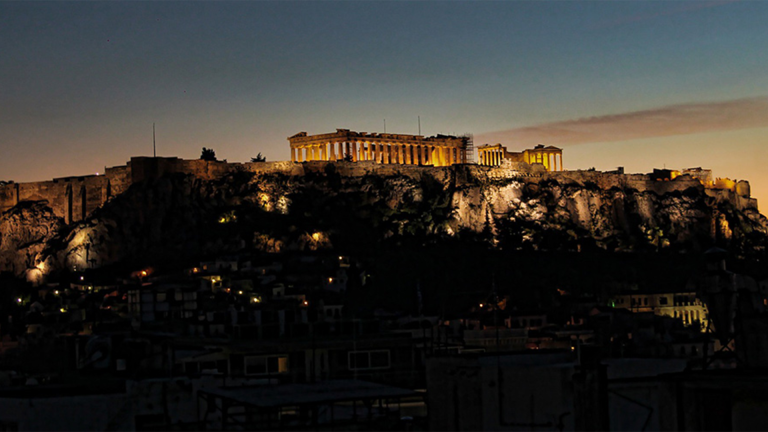
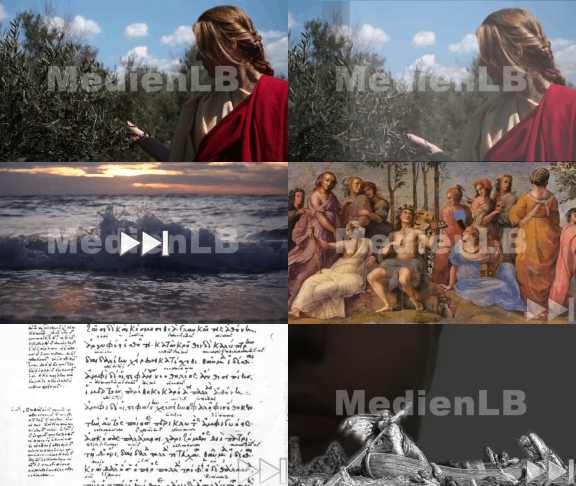
Greek Mythology
The search for the origin and meaning of our existence has always been an integral part of the history of mankind. The religion and myths of the ancient Greeks with their impressive realm of gods were influenced by the oldest advanced civilisations of Mesopotamia and Egypt, spread their impact in Hellenistic and Roman times and have retained their influence on the culture of the Western world until today.
Learn more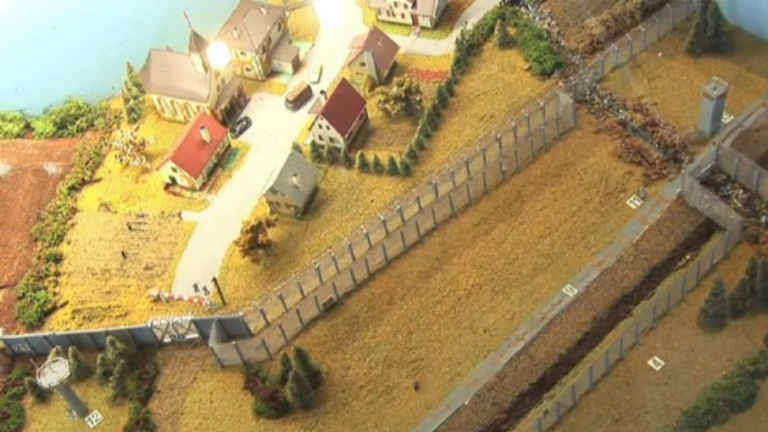

The Border
The DVD helps students, who have no first-hand recollection of the partition of Germany, to approach this problem. The film illustrates the historical development of the inner- German border from 1945 to 1989. The example of Point Alpha also sheds some light on the Cold War – not without reason, the camp has been considered the „hottest spot of the Cold War“. Photos of the German Border Police, pictures from the exhibitions at the memorial Point Alpha near Fulda and the „house at the border“ create a vivid impression of the partition of Germany. Ninth-form students interviewed contemporary witnesses for the film: one of the American commanders at Camp Point Alpha (Steven Steininger), the former mayor of Fulda (Dr. Wolfgang Hamberger) and two border guards of the West German Border Police, Erwin Ritter and Gerd Leinert. Bertold Dücker describes his escape across the border. After the almost complete dismantling of the border installations, only few remains of the former border can still be seen today. The film provides background material and points out Running Time: 22:29 ms how important it is to visit the memorial.
Learn more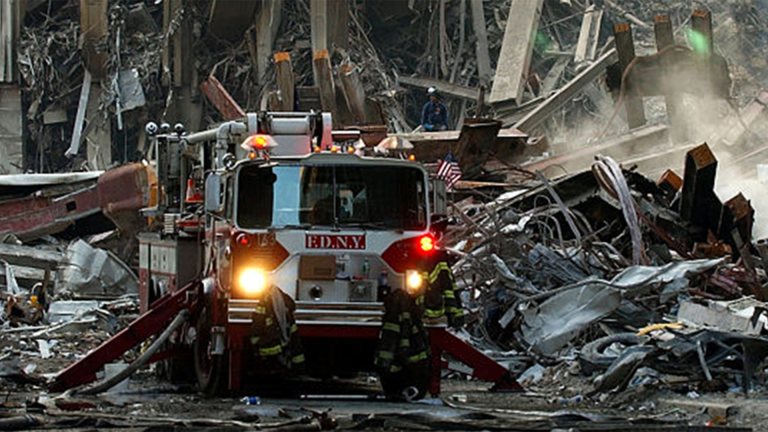
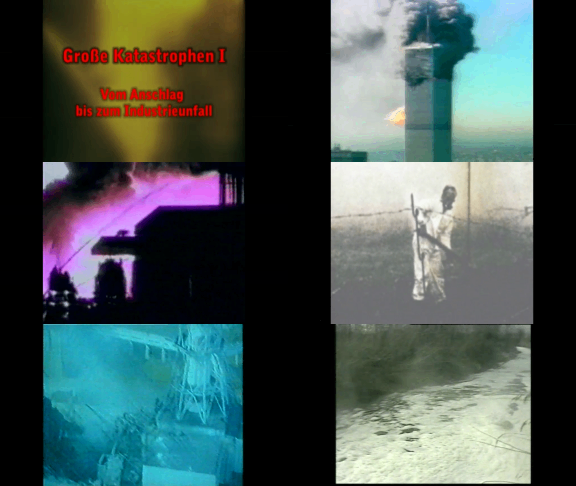
Great Disasters I
A disaster occurs when the balance inherent in a certain phenomenon is disturbed. This can happen either because a new powerful force comes into play which triggers the disaster or because a small – even tiny – causal factor interferes in a situation with an unstable equilibrium and manages to achieve an enormous effect.
Learn more

MedienLB has been producing award-winning school films and interactive modules for the classroom since 2006.


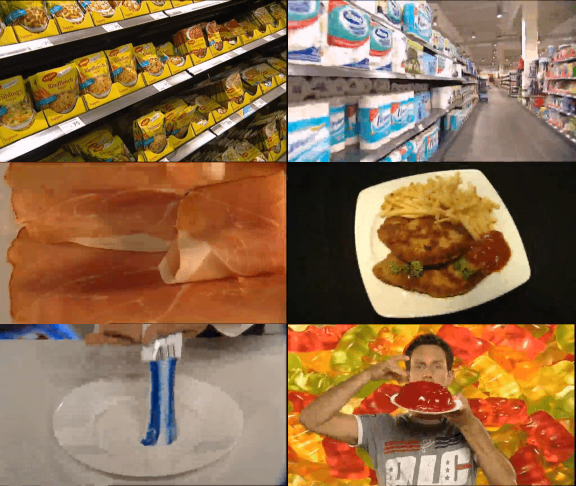
Produkte des Alltags
Gut verpackt ist halb verkauft. Je kreativer, bunter und ansprechender Produkte verpackt sind, desto besser lassen sie sich verkaufen. Laut aktuellen Studien trifft ein Käufer seine Entscheidung in nur 1,6 Sekunden. Und dabei lässt er sich meistens von Größe, Farbe, Design und dem Namen des Produkts leiten. Der Inhalt wird bei der Kaufentscheidung oft zur Nebensache. In dieser neuen Folge von "Schau Dich schlau!" erklären Joey Grit Winkler und Fero Andersen neben psychologisch präzise ausgefeilten Verkaufsstrategien auch die Herkunft der bekanntesten Markennamen. Psychologen haben herausgefunden: Sehen wir etwas Rotes, Gelbes oder Orangenes, bekommen wir automatisch Appetit. Fällt unser Blick auf etwas Grünes oder Blaues, denken wir an Sauberkeit und Frische. Von einem Experten wird Joey Grit Winkler in die Geheimnisse der Verpackungswelt eingeführt und lässt sich erklären, woher die bekanntesten Markennamen kommen. Währenddessen taucht Fero Andersen in die Materie ein und analysiert, ob in den Verpackungen auch immer das drin steckt, was drauf steht. Muss Schwarzwälder Schinken aus dem Schwarzwald stammen? Oder genügt es, wenn der Schinken lediglich im Schwarzwald geräuchert wurde, das Fleisch aber aus Dänemark stammt? "Schau Dich schlau!" klärt über diese und andere wichtige und interessante Verbraucherfragen auf.
Learn more

Schiller’s The Robbers
“The Robbers“ by Friedrich Schiller begins with a wicked intrigue. It revolves around two brothers; Karl Moor and Franz Moor, sons of the reigning Count von Moor, who hate each other. The rivalry between the two brothers is great. On the one hand, there is Karl, the intelligent, freedom-loving robber, and on the other, Franz, suffering from withdrawal of love, scheming and coldly calculating.
Learn more