






Suche:
- # Artistry
- # Biology
- # Chemistry
- # Ecological
- # Economy
- # English
- # Foreign Language
- # Geography
- # German
- # Health
- # History
- # Informatik
- # Latin
- # Mathematics
- # Media Education
- # Music
- # Physics
- # Politics / Civics
- # Preschool
- # Primary School
- # Religion
- # Society
- # Sports
- # Technology
- # Training of Teachers
- # Vocational Education
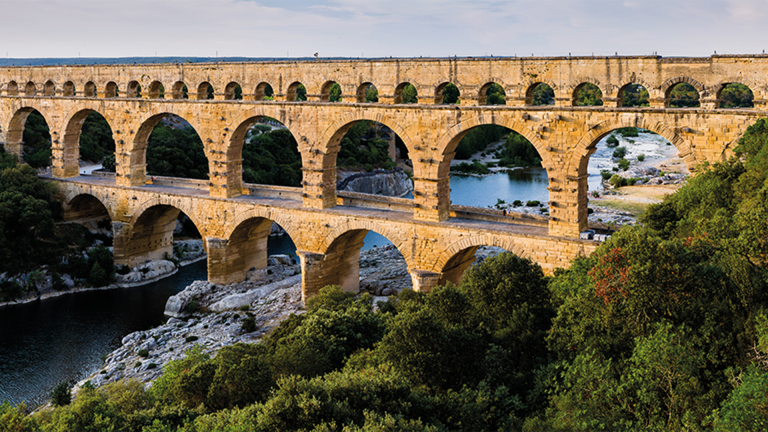
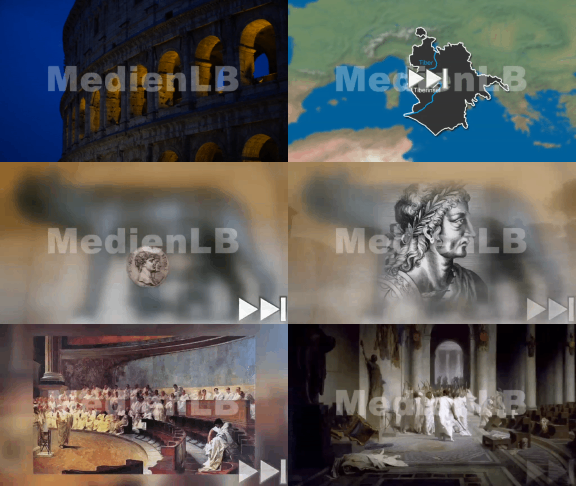
Rome
In its heyday, ancient Rome was the most imposing city of the known world and centre of one of the largest empires of all times but most of the more than one million residents viewed the metropolis as a foul juggernaut.
Learn more

Algen
Algen gehören zu den ältesten Lebensformen auf der Erde. Sie sind die älteste Lebensform, die Photosynthese betreibt und schufen damit eine Erdatmosphäre, in der sich das Leben entwickeln konnte.
Learn more
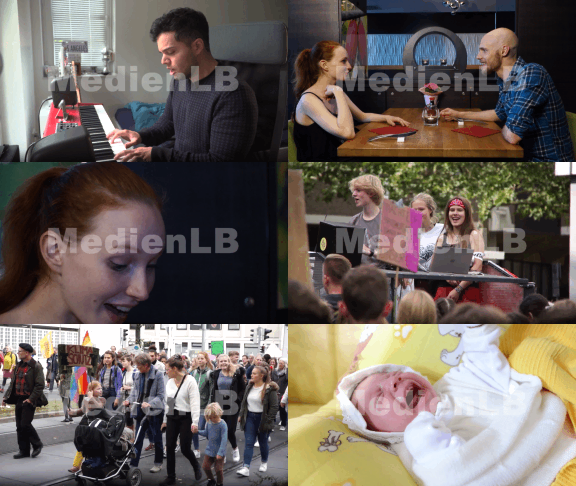
Stimme
Sie ist ein Teil unserer Persönlichkeit. Wir brauchen sie, um mit anderen zu kommunizieren. Wenn wir sie nicht schonen, lässt sie uns im Stich. Die Rede ist von unserer Stimme.
Learn more
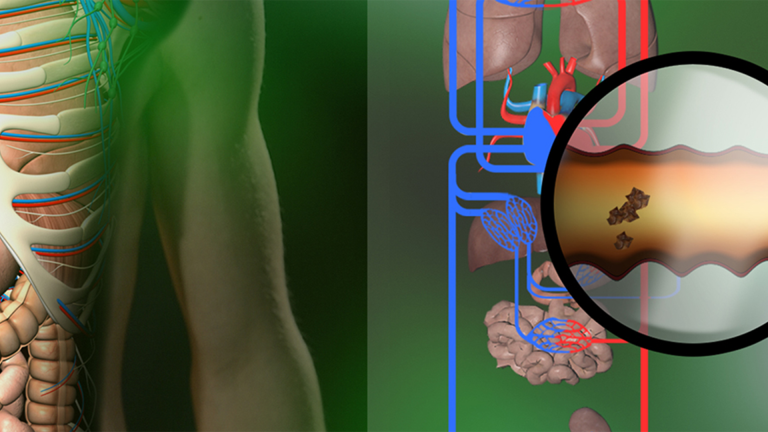
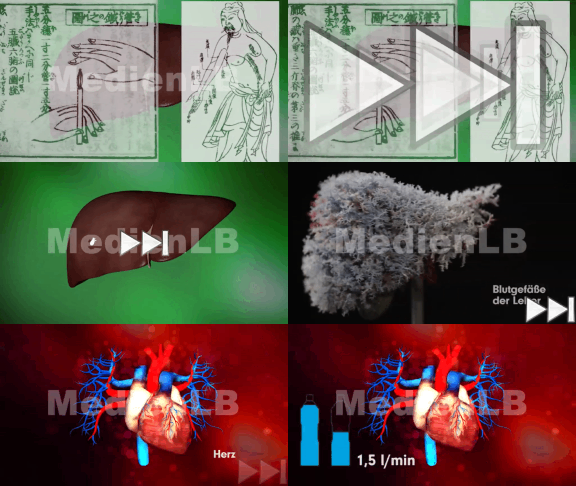
Human Liver
Normally you do not feel it, it does not beat like the heart, neither can we feel it like the lungs when we breathe in and out – nevertheless, it is one of our most important organs: the liver.
Learn more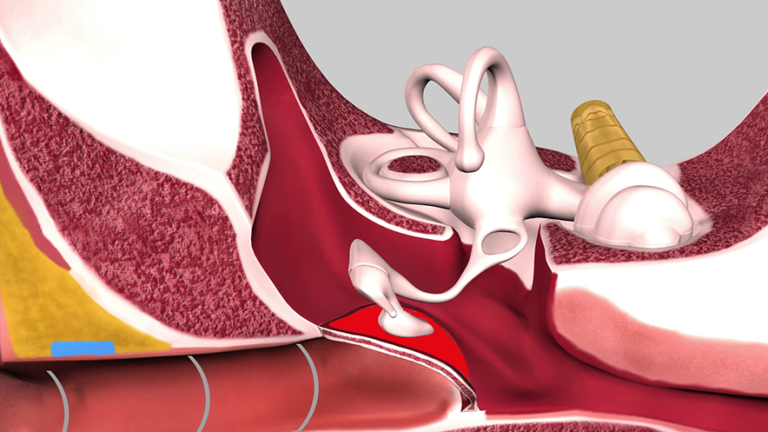
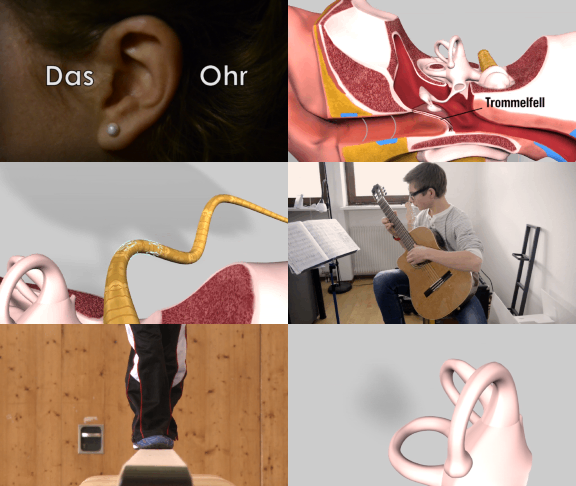
The Ear
Large or small, narrow or broad, round or angular. Our ears may be of a variety of shapes.
Learn more
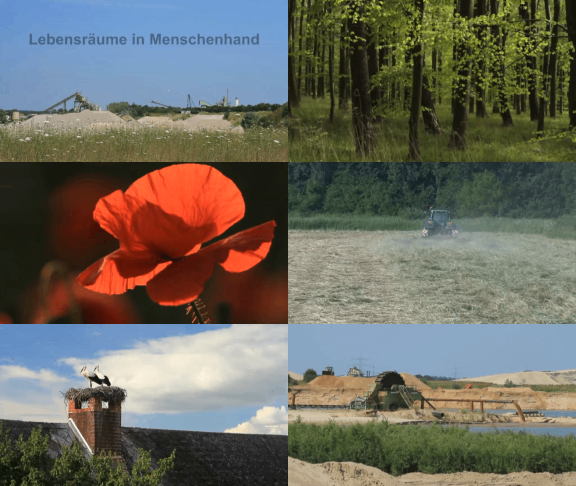
Habitats in Human Hands
Forests, hedges, heathlands or colourful meadows are the epitome of unspoilt nature for us.
Learn more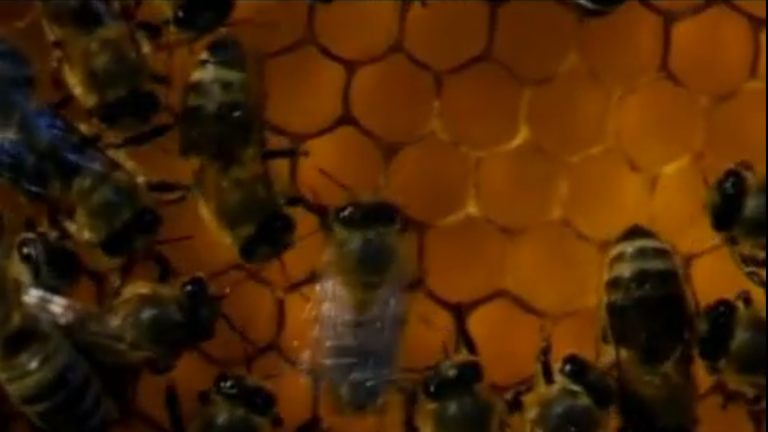

The Honey Bee
Untiringly, the honey bees fly from flower to flower, constantly in search of pollen and sweet nectar. These busy workers live together in a complex social system an insight into which is provided by this film. In vivid pictures, it describes the life of the honey bee in the bee colony and deals with the inhabi- tants of the beehive and their strict division of labour. It shows the worker bees foraging for food and communicating with each other in their characteristic way. The second part of the film illustrates how a new bee colony is formed and describes the course of a bee‘s year from the new queen to the mating flight and the brood cells and finally to the expulsion of the drones in the „slaughter of the drones“. The DVD and the didactically arranged worksheets are per- fectly suited for the classroom both as an introduction to the topic and as a tool for the pupils when working individually or preparing projects.
Learn more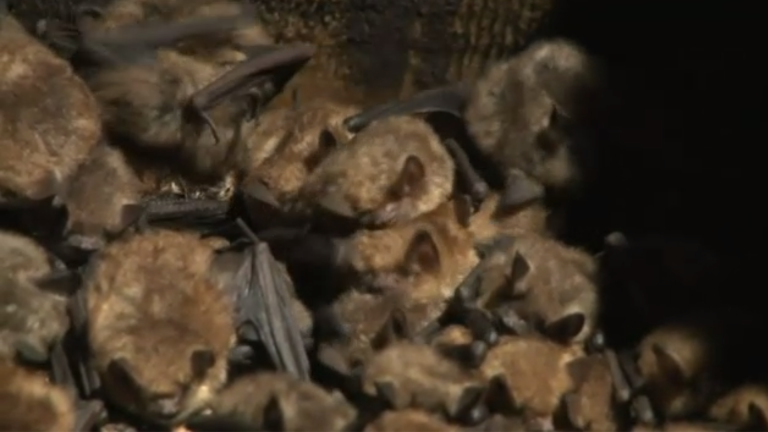

Bats
Bats are the only mammals that can fly actively. In mythology they represent the dark element and were the inspiration behind the invention of vampire stories. On account of their nocturnal way of life and their dark appearance, they are considered scary by many people. But the nocturnal hunters are by no means keen on human blood. They mainly hunt insects, thus assuming an important role as natural pest controllers.
Learn more
MedienLB has been producing award-winning school films and interactive modules for the classroom since 2006.
MedienLB-Mousepads
Cranes
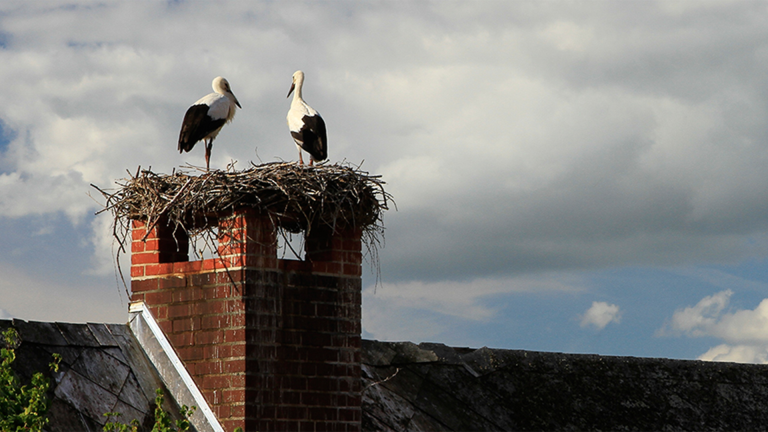
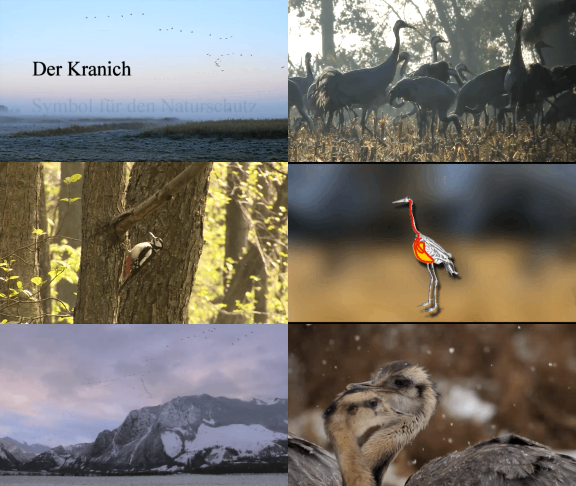
They are counted among the most elegant and distinctive domestic birds. Due to their size, cranes can hardly be overlooked. Their call can be heard for miles. And: You hear them more and more often.
Learn more
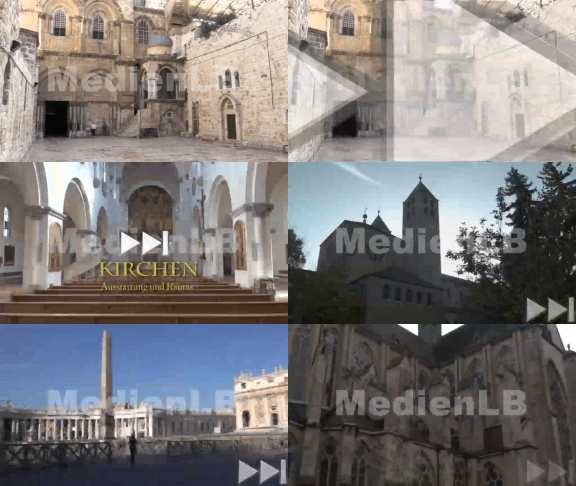
Kirchen
Kirchen haben eine lange Tradition und von außen sind sie heute meistens gut erkennbar. Aber wie sehen Kirchen eigentlich von innen aus? Denn egal ob alt oder neu, groß oder klein ─ so unterschiedlich sie auch aussehen, die meisten Gegenstände findet man in jeder Kirche. Der erste Blick, wenn man eine Kirche betritt, fällt meist auf den Altar und auf das über ihm hängende Kreuz. Für die Hostien, die den Christen so wertvoll sind, gibt es in der Kirche einen ganz besonderen Platz ─ den Tabernakel. Im Tabernakel werden die geweihten Hostien nach dem Abendmahl aufbewahrt. In der Nähe des Tabernakels hängt das ewige Licht.
Learn more

Seltene Erden
Der technische Fortschritt versorgt die Menschheit zuverlässig mit innovativer Technologie. Dies hat die Nachfrage nach spezifischen Rohstoffen, etwa für Mikrochips, Rußpartikelfilter, und Dauermagneten sprunghaft steigen lassen. Metalle wie Lithium, Cer, Neodym und weitere gehören zu den sogenannten „Seltenen Erden“. Der Bedarf nach ihnen hat große geopolitische Auswirkungen, und hat zum Aufstieg Chinas, das den Großteil der Lagerstätten auf seinem Gebiet birgt, entscheidend beigetragen.
Learn more