




Suche:
- # Artistry
- # Biology
- # Chemistry
- # Ecological
- # Economy
- # English
- # Foreign Language
- # Geography
- # German
- # Health
- # History
- # Informatik
- # Latin
- # Mathematics
- # Media Education
- # Music
- # Physics
- # Politics / Civics
- # Preschool
- # Primary School
- # Religion
- # Society
- # Sports
- # Technology
- # Training of Teachers
- # Vocational Education


Genghis Khan
They appeared all of a sudden, as if from nowhere. Wild Mongol hordes on horseback overrun the Asian Steppes and Russian expanses at the beginning of the 13th century. Nobody can hold up their triumphal march. The leader of the Mongols is Genghis Khan, a merciless conqueror and visionary statesman. His myth is still topical today. The myth of Genghis Khan, the “Apocalyptic Horseman”. The film describes the development of the young Temujin to one of the greatest generals in history. Impressive pictures show the live of Genghis Khan from the cradle to the grave. By maps used systematically, his military campaigns are shown and a timeline, which is repeatedly displayed, provides the dates of the conquests. This way, pupils can gain a better understanding of the campaigns and remember the dates better. Interesting bonus material on 13th century Europe and comprehensive accompanying material invite you to cover all aspects of the topic. Thus, history lessons become an impressive experience.
Learn more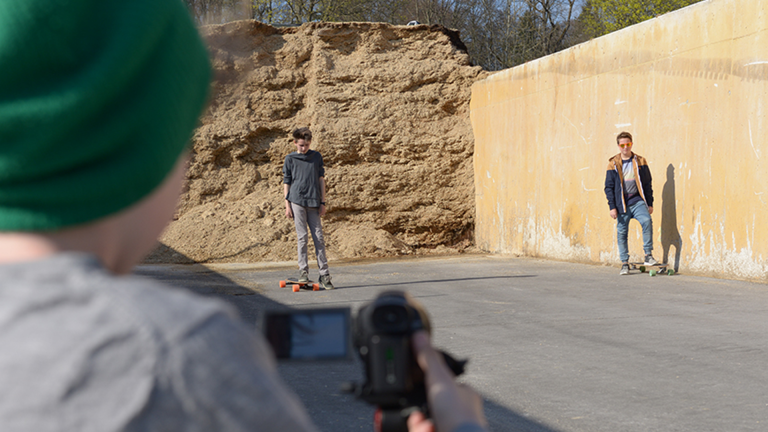

Videokurs II
Schon mit einfachen Camcordern, sogar mit dem Handy kann man Videos mit einer ansprechenden Bildqualität drehen.
Learn more

Demography
Demography is the science that examines the structure and dynamics of population. Demographic change describes the dynamics of population size and structure. Tools of the trade for demographers are statistics.
Learn more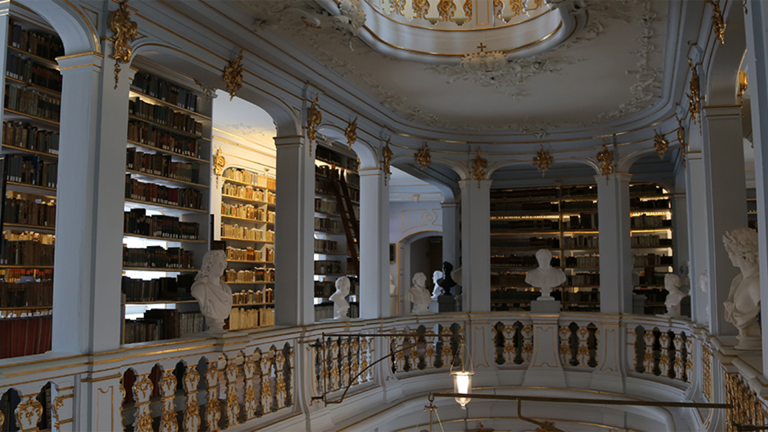

Literatur der Klassik
Johann Wolfgang von Goethe und Friedrich Schiller sind die wichtigsten Vertreter der klassischen Literaturepoche, die zwischen 1786 und 1805 in Weimar ihre Blütezeit hatte. Herausragend war dabei die Freundschaft zwischen Goethe und Schiller, die sich nach anfänglicher Rivalität zu einem äußerst kreativen „Miteinander“ entwickelte. Nicht zuletzt ist dies durch ihren jahrelangen Briefwechsel bestens dokumentiert. Wir untersuchen die Jugend und Entwicklung von Goethe, seine ersten Werken. Ebenso wird Schiller im Vergleich dargestellt und Gemeinsamkeiten aufgezeigt. Wir beleuchten ihre historischen und philosophischen Voraussetzungen. Der Schwerpunkt liegt auf ihrer Zeit in Weimar, wobei ein besonderes Augenmerk auf ihr kreatives Miteinander und den Austausch von ca. 1.000 Briefen gelegt wird. Ein abschließendes intensives Kapitel ist dem Klassiker „Faust“ gewidmet.
Learn more
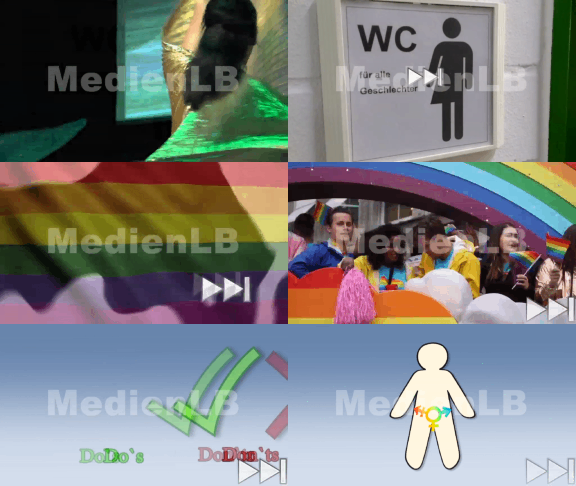
Geschlechteridentität
Teil des Erwachsenwerdens ist es, seine eigene Identität zu finden. Für manche wird diese Identitätsfindung erschwert, weil das körperliche Geschlecht nicht mit dem empfundenen Geschlecht übereinstimmt.
Learn more
Diskriminierung von Minderheiten
"Zeit für Helden – Und was machst Du?" schafft Aufklärung rund um die Themen Diskriminierung, Rassismus, Vorurteile und Zivilcourage.
Learn more
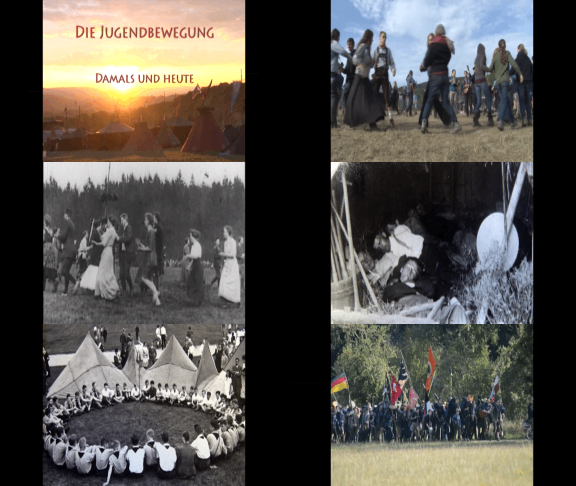
Youth Movement
Dancing until your feet hurt: Here, at the meeting on the Hoher Meissner near Kassel, 3,500 participants from Boy Scout associations, youth and Wandervogel groups from all over the German-speaking region have gathered. They want to celebrate, simply get to know each other and commemorate a historic anniversary.
Learn more
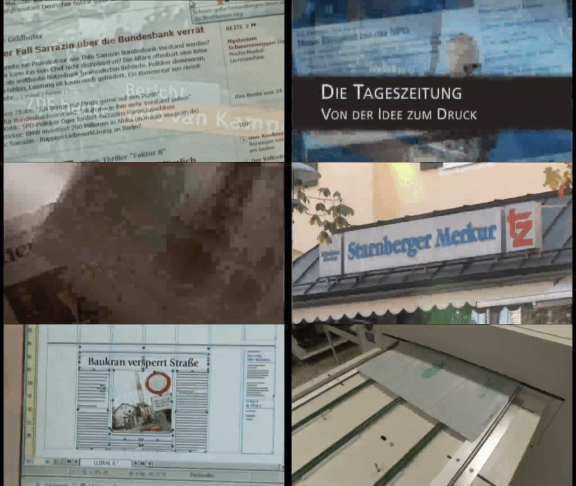
The Daily Newspaper
Every day, there is a surge of news reaching us via different news channels. In spite of TV and Internet, the daily paper still is one of the most important main sources of news. But how is a newspaper created? The film shows the production of a paper in the course of one day. Starting with the editorial meeting in the morning, in which the topics and deadlines are determined, the film accompanies a journalist during her research work. You can see how a journalistic interview is conducted and what the photographer must consider when taking a press photo. Back in the editorial office, the editor’s work is illustrated, which includes the page layout and the writing of an online article in today’s time. Impressive pictures from the printing centre depict the process from the digital page to the finished newspaper. Together with the comprehensive accompanying material, the DVD is perfectly suited for use at school
Learn more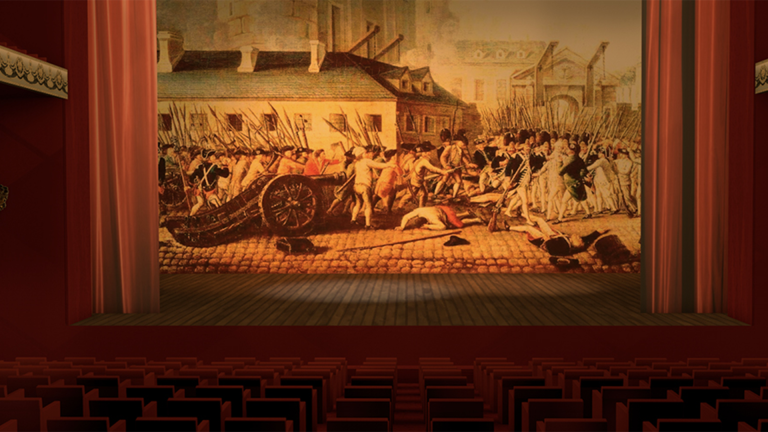

Opera
As soon as the audience has taken their seats, the conductor enters the orchestra pit. When he lifts the baton, the magic ritual of enchantment through music, play and light in an illusory world, which is to true nonetheless, begins. But what is opera, anyway? Let us dare a look behind the scenes! This film presents the institution and the artistic creation of an opera. The pupils learn about the structure of a traditional opera house. They get to know how an opera production is planned and prepared. They see how many people contribute to an opera production from the planning to the first night. What jobs and what manual skills are behind a production? How do make-up artists and costume designers work? How many rehearsals are required? All these questions and a lot more are answered by the film. And if the pupils do attend an opera performance, they will perhaps think of the many people and skills that were needed to make this evening a success. Together with the extensive accompanying material the didactic DVD is perfectly suited for various uses in the classroom.
Learn more
MedienLB has been producing award-winning school films and interactive modules for the classroom since 2006.



Hygiene
Epidemics such as the cholera or the plague and diseases like the Spanish flu were the causes of the deaths of many people throughout the centuries.
Learn more

Alexander von Humboldt
The name of Alexander von Humboldt, who is considered the last polymath and is still admired as second discoverer in Latin America, is omnipresent. Schools, ships, mountains, rivers, squares are named after him; but above all animals and plants were given his name. But what about his natural history legacy and heritage in our time?
Learn more

Succession
At the Hirschkopf near Mössingen, on April 13, 1983, 700,000 truckloads of rock slid down into the valley – a “biological ground zero” was created. After more than 20 years, the slide area has developed from a hostile scree desert devoid of humus into an ecological treasure and was included in the UNESCO list of national geotopes. This DVD gives an insight into the principles of natural balance and shows symbioses as well as the fight for survival in flora and fauna. This example enables the pupils to directly experience a succession – the resettlement of a biotope – over the course of twenty years. Diverse pictures and rare close-ups offer the pupils a new approach to the indigenous flora and fauna. This DVD is divided into six chronological chapters that can be accessed individually via the menu. Moreover, it offers additional pictures and extensive accompanying material to allow a more detailed discussion of the topic at school.
Learn more