







 Biology

4656511 / 5551279
Bees, Bumblebees and Wasps
Observation and Protection
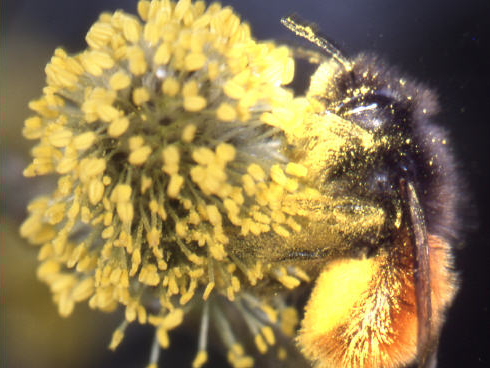
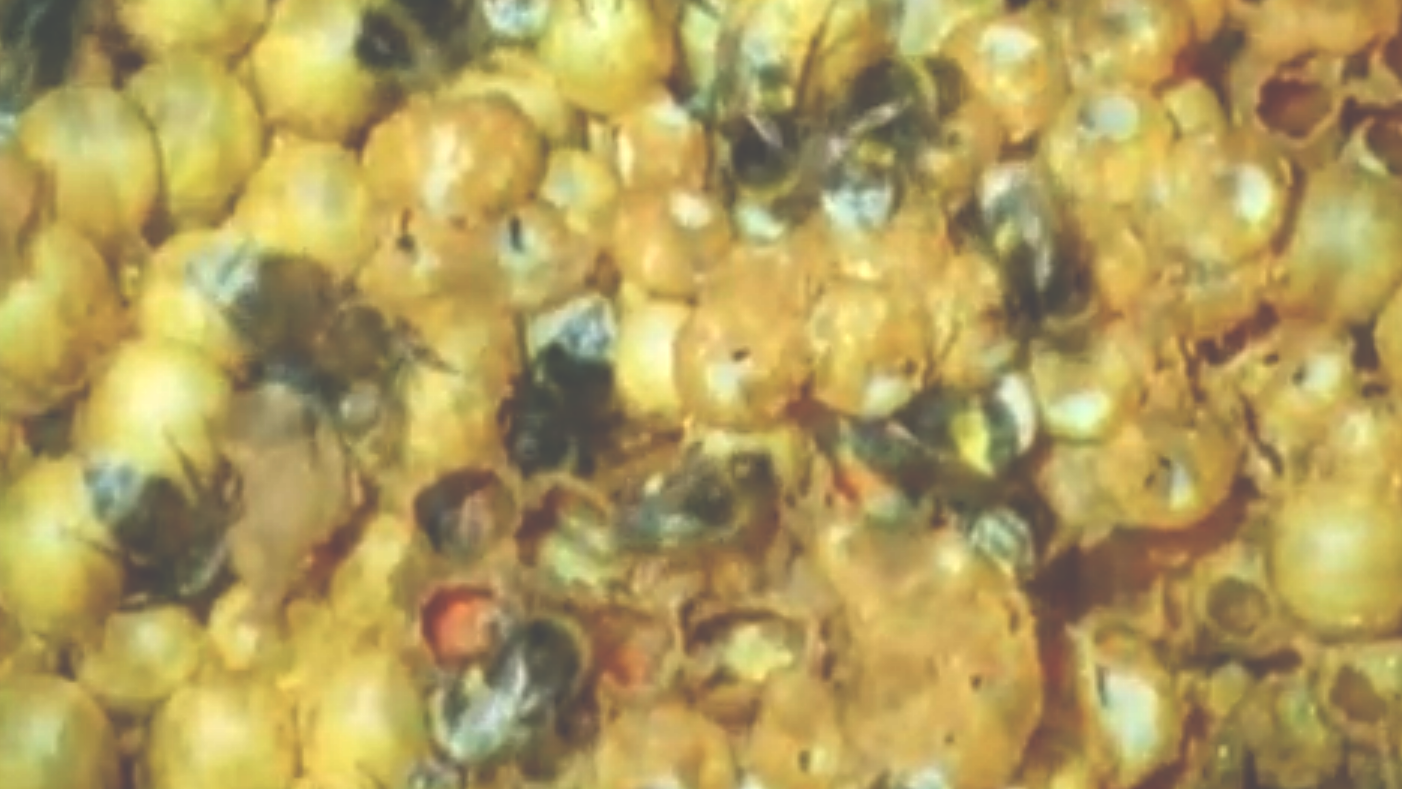
Our smallest domestic animals, the honey bees, belong to the insect order of hymenoptera just like bumblebees, wasps and ants. Many of these insects live in huge colonies with division of labour and a caste system. However, there also are less conspicuous small hymenoptera like, for instance, the mason- bee, which on its own builds complex nests for its offspring and supplies it with food. We haven’t even noticed that it has followed us into our human settlements and we don’t consider that we are taking away the habitats from these small interesting insects. This film pays attention to all these important plant pollinators, allows insights into the work of bees and wasps and shows how we can observe and protect them.
Play trailer
- <> Languages : DE, EN, TR
- <> Target Groups : Sek I
- <> Subject : Biology
- <> Length : 22:00 min
- View in learning platform
Licenses
Curriculum-centred and oriented towards educational standards
Matching

Blogging
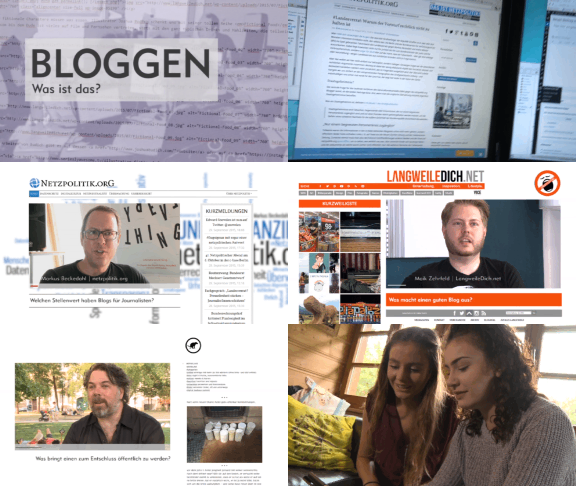
The weblog or blog, for short, as a medium is not much older than this century. Blogs came into being in the World Wide Web as ’messages from below’, as web pages from web creators who wanted to share their view of the world with the world. They are short notes, long texts, pictures, videos, which are posted loosely and at random intervals to the world for an undefined public.

Air Traffic
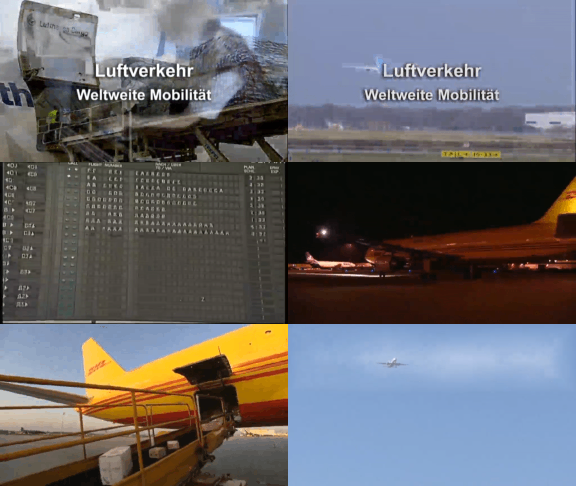
Being able to fly has been a dream of humanity from time immemorial. But it does not even date back a century that people actually started being able to travel through the air. Since the 1960s, the number of flight passengers has been constantly increasing. Thus, the airspace is no longer dominated by birds but by man-made flying objects.

Copyright
Copyright is subject to constant change to keep up with technological advances. This film enables the viewer to grasp the basic principles of this extremely intricate matter. By way of introduction, the film defines what an author is, what kinds of works there are and how long a work is protected on principle. Then the fundamental rights of an author are cited and it is shown how these are exploited in our times. In the third chapter, the respective rights are illustrated by way of practice-oriented examples of books, photos, music and films. Here, of course, an emphasis is laid on the field of education, taking into account the latest case law within the EU and Austria in particular. A further chapter highlights the problems arising with the Internet and goes into the citation law and pirate copies. All in all, in this way the viewer is made familiar with the most important basic terms and their meanings. Comprehensive worksheets and additional accompanying material invite us to deepen our knowledge of the subject.