







 History

4677121 / 5564410
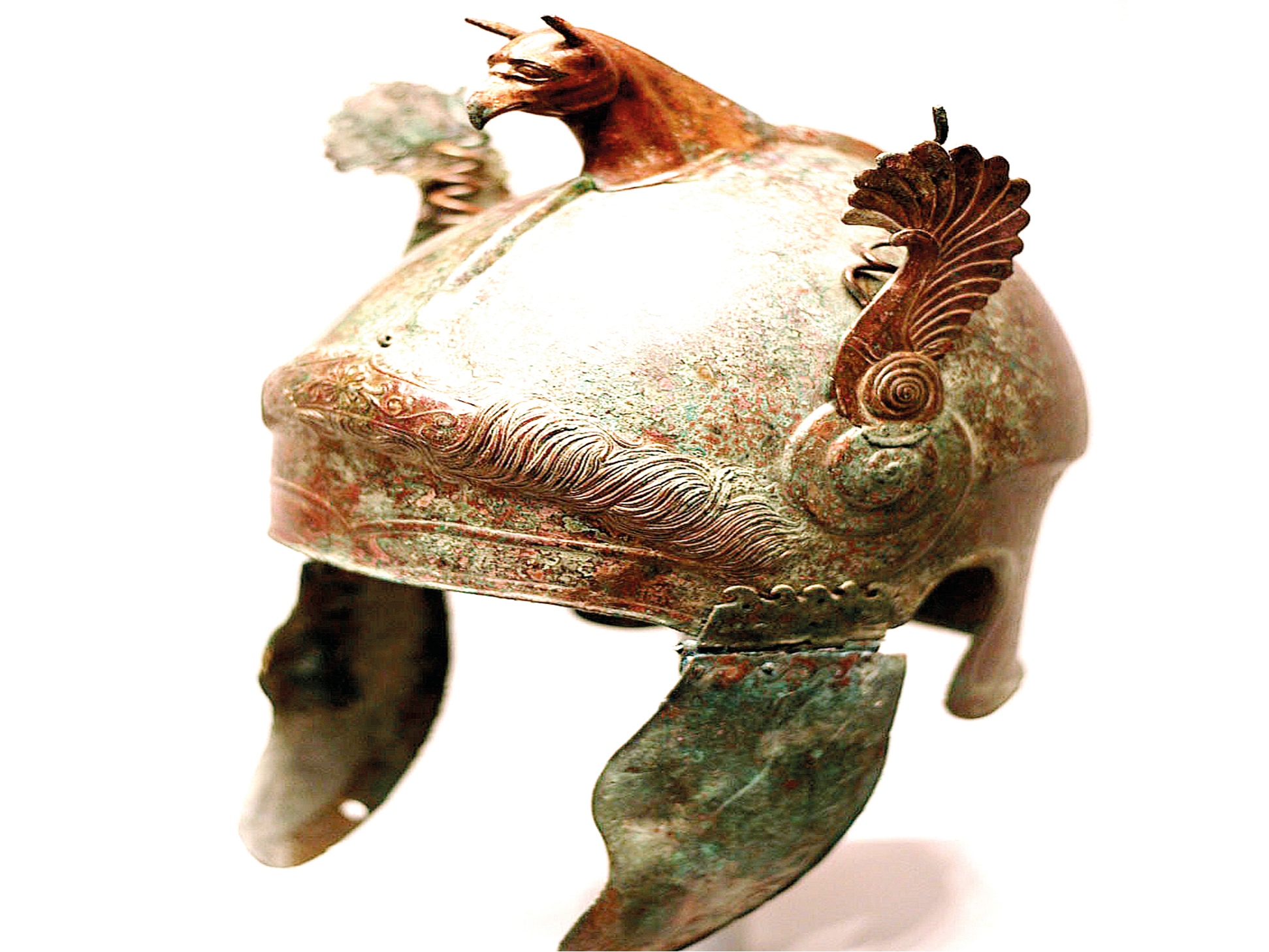
Bronze Age
A New Material is Discovered
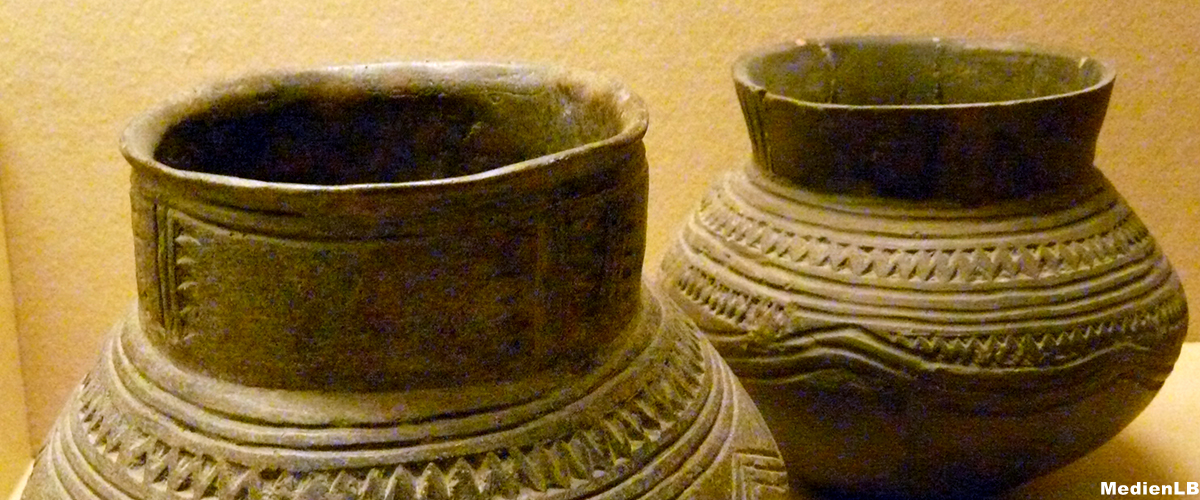
With the use of bronze as a working material a new historical era started at about 2200 BC.
Why was this particular metal so important for the development of humankind?
Bronze consists of nine parts copper and one part tin. It is melted at 800 to 1,000 degrees.
The bronze is poured into the mould and solidifies after a while. During the Bronze Age the moulds consisted mostly of sandstone. The latter was carved first and served as a template or negative of the objects, also called artefacts ─ such as flat axes, sickles, knife blades and swords.
The raw materials copper and tin were mined in Europe, the Middle East and also Africa. A flourishing trade with them started.
- <> Languages : DE, EN
- <> Target Groups : Sek I
- <> Subject : History
- <> Length : 24:06 min
- View in learning platform
Licenses
Curriculum-centred and oriented towards educational standards
Matching
The Daily Newspaper
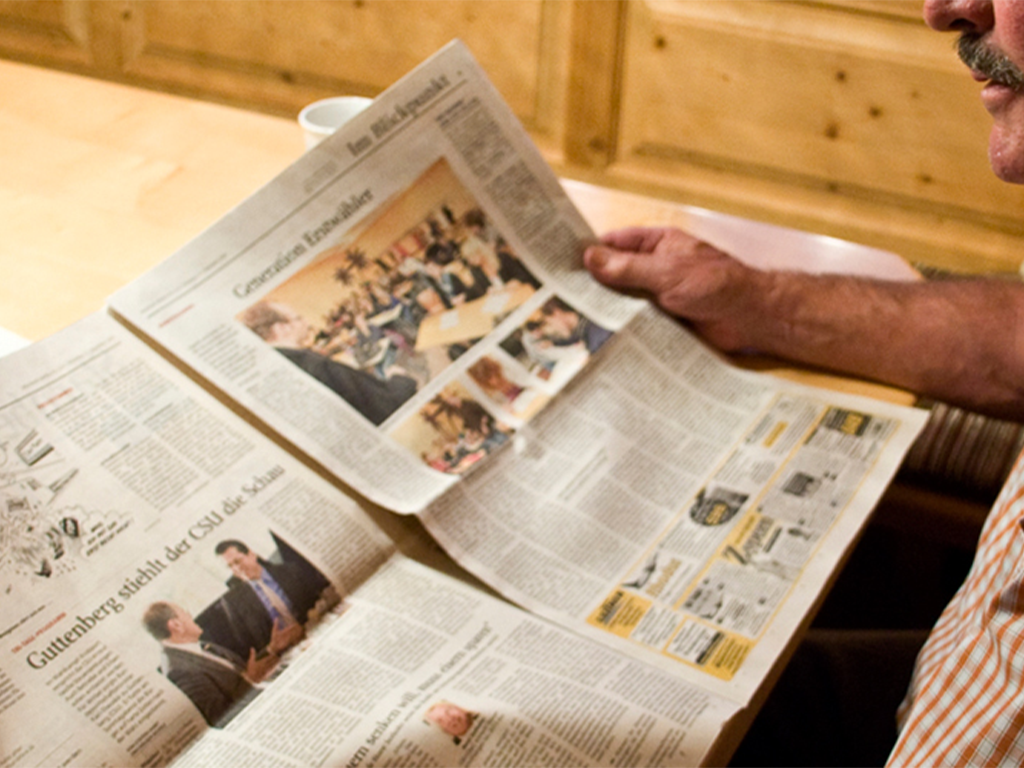
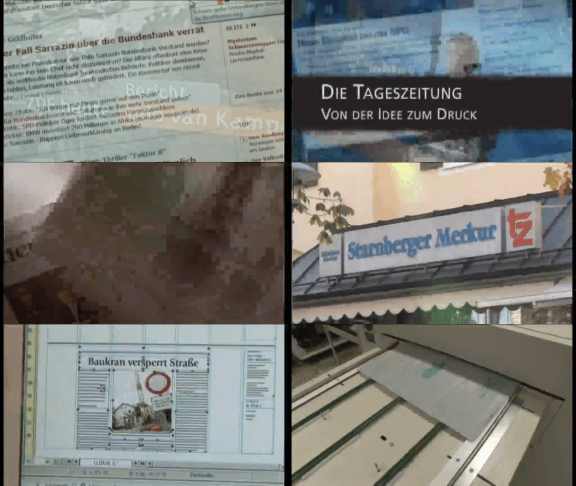
Every day, there is a surge of news reaching us via different news channels. In spite of TV and Internet, the daily paper still is one of the most important main sources of news. But how is a newspaper created? The film shows the production of a paper in the course of one day. Starting with the editorial meeting in the morning, in which the topics and deadlines are determined, the film accompanies a journalist during her research work. You can see how a journalistic interview is conducted and what the photographer must consider when taking a press photo. Back in the editorial office, the editor’s work is illustrated, which includes the page layout and the writing of an online article in today’s time. Impressive pictures from the printing centre depict the process from the digital page to the finished newspaper. Together with the comprehensive accompanying material, the DVD is perfectly suited for use at school


Big Data
Original soundtrack young woman:
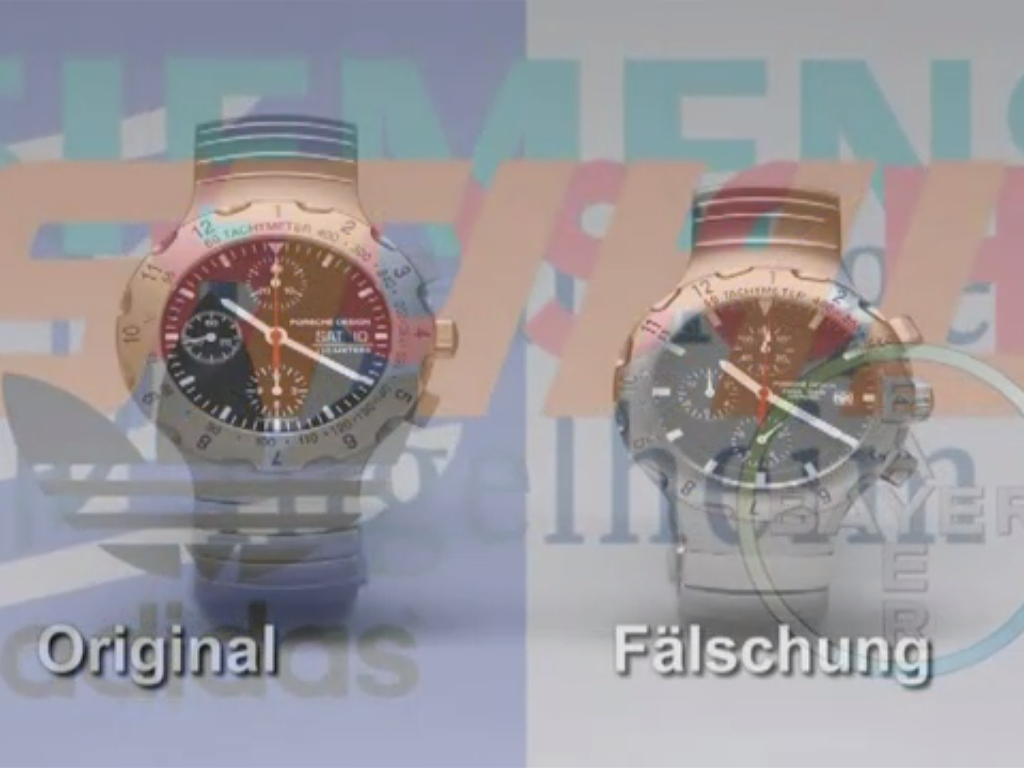
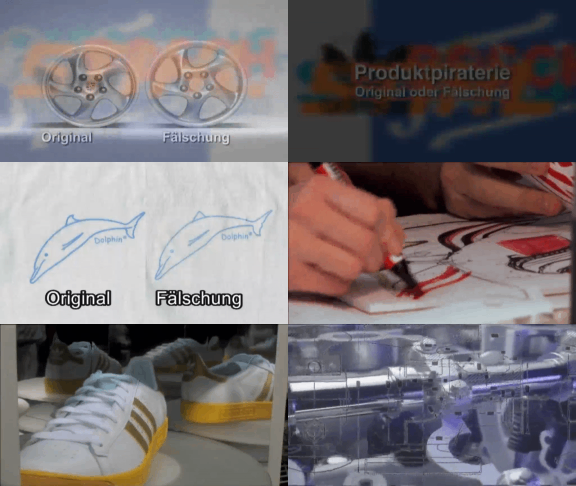
Product Piracy
Counterfeiting takes place in almost all economic sectors – textiles, watches, car parts, machine parts, tools, accessories, software and medicines. Some counterfeits are easy to recognise, others are so well-executed that even experts have difficulty distinguishing between original and imitation. This DVD covers the development of a product from idea to manufacture. Once a product has become a trademark, product pirates appear on the scene.