







 Chemistry

46505038 / 55504917
Chemische Bindungen
Atomare und molekulare Grundlagen
Chemische Bindungen sind ein zentrales Element der Chemie. Unter der Bezeichnung „Chemische Bindung“ versteht man im Allgemeinen den Zusammenhalt der kleinsten Teilchen in chemischen Stoffen. Wenn also zwei oder mehrere Atome oder Ionen stark miteinander verbunden sind, liegt eine Chemische Bindung vor.
Der Film stellt die Auswirkungen Chemischer Bindungen sowie verschiedene Bindungsarten wie beispielsweise Ionenbindungen und Metallbindungen und die Grundlagen der Adhäsionskraft vor.
Abschließend wird gezeigt, wie es die Van-der-Waals-Kräfte einem Gecko ermöglichen, kopfüber an der Decke zu laufen und wie dies mit Chemischen Bindungen zusammenhängt.
In Verbindung mit dem umfangreichen Zusatzmaterial (Arbeitsblätter, interaktive Aufgaben, Testfragen, Glossar) lässt sich das Medium hervorragend im Unterricht verwenden.

Curriculum-centred and oriented towards educational standards
Matching


Racism
Do you perhaps know that?
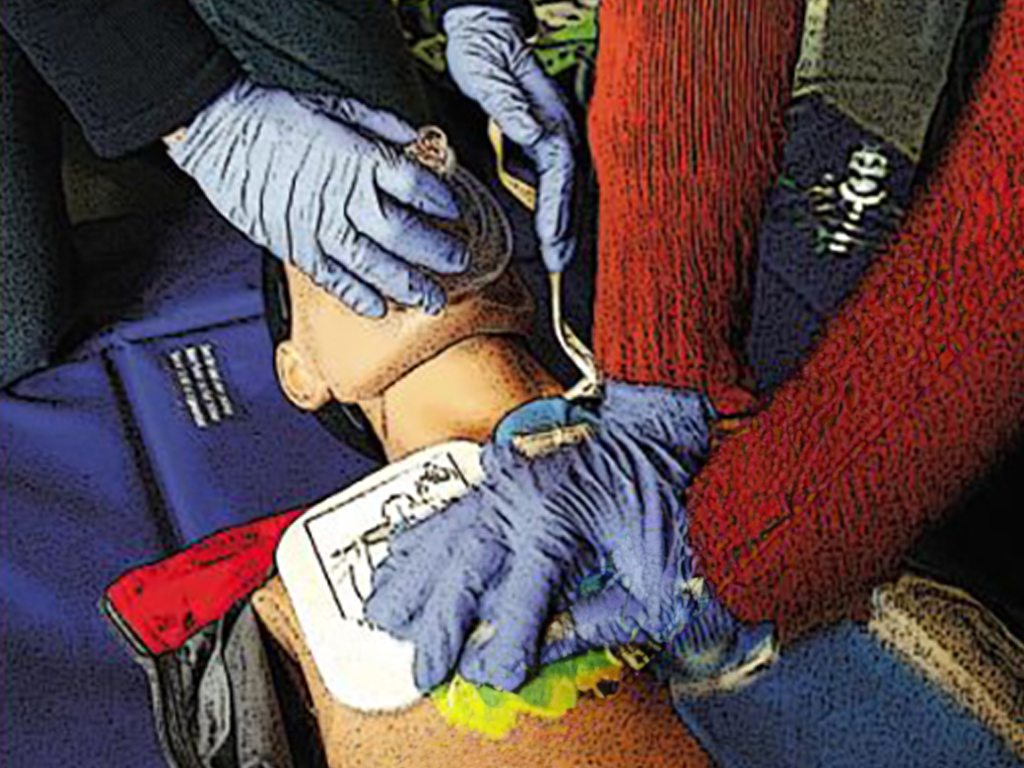

Resuscitation
It can happen to anyone – of any age, in any place, at any time. Sudden cardiac arrest may quickly prove fatal. Immediate action is called for! Just remember: Check Call Press Anyone can do it. You can't do anything wrong!
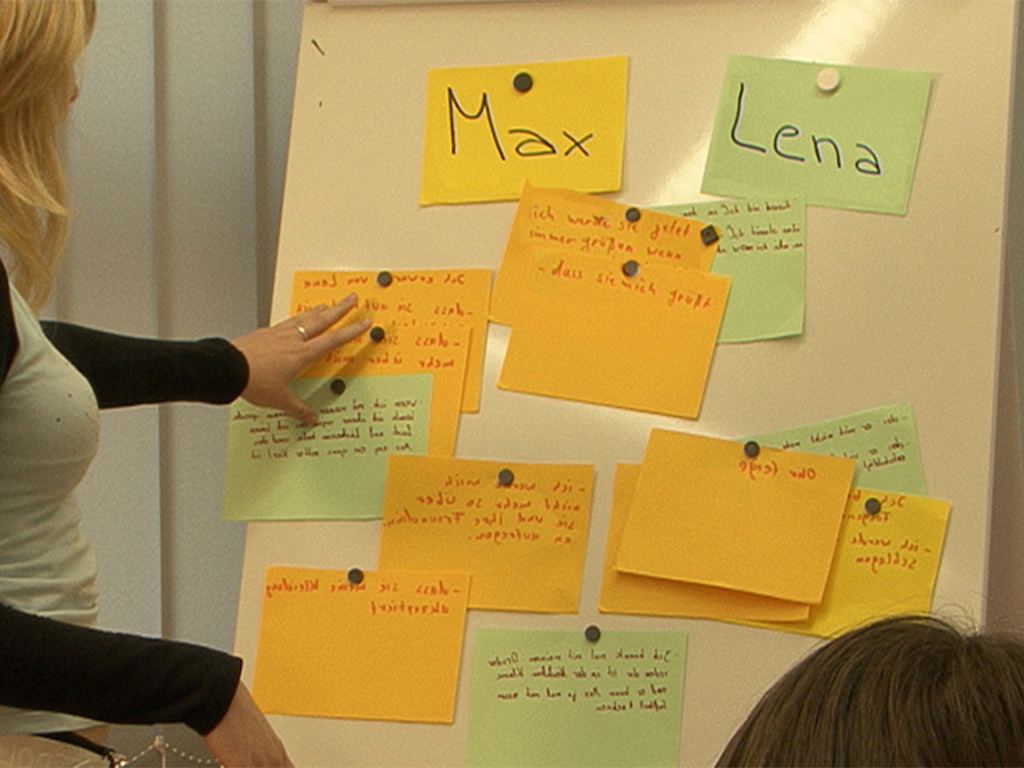
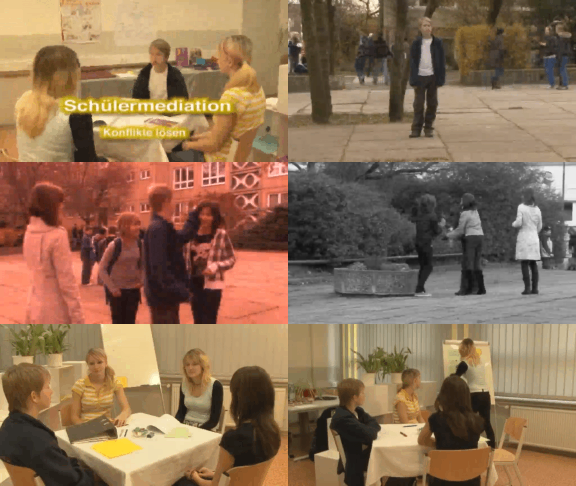
Peer Mediation
Lena and Max attend the 7th form. Max is new in class. During a break, Max notices that Lena and her friend are laughing at him again. Max loses his temper! He slaps Lena in the face. That hurts and Lena runs back into the classroom with a red cheek. The growing conflict between the two has escalated. Just like Lena and Max, every day pupils all over Germany have rows with each other. At the Heinrich Hertz Gymnasium in Thuringia, pupils have been trained as mediators for years. At set hours, they are in a room made available by the school specifically for mediation purposes. The film describes the growing conflict between Max and Lena and shows a mediation using their example. In doing so, the terms “conflict” and “peer mediation” are explained in a non-technical way. The aims of peer mediation and its progress in five steps as well as the mediators’ tasks are illustrated. The art of asking questions and “mirroring”, which the mediators must know, is described and explained. Together with the comprehensive accompanying material, the DVD is a suitable medium to introduce peer mediation at your school, too.