







 Geography
46503510 / 55502984
Geologic Activities
Volcanoes, Geysers, Continental Plates
The formation of our earth began according to today’s knowledge from a huge cloud of dust and gases about 4.6 billion years ago.
Very vividly and clearly structured, the film depicts plate tectonics on the outer cooled earth shell. The continental plates drift apart, collide or push past each other.
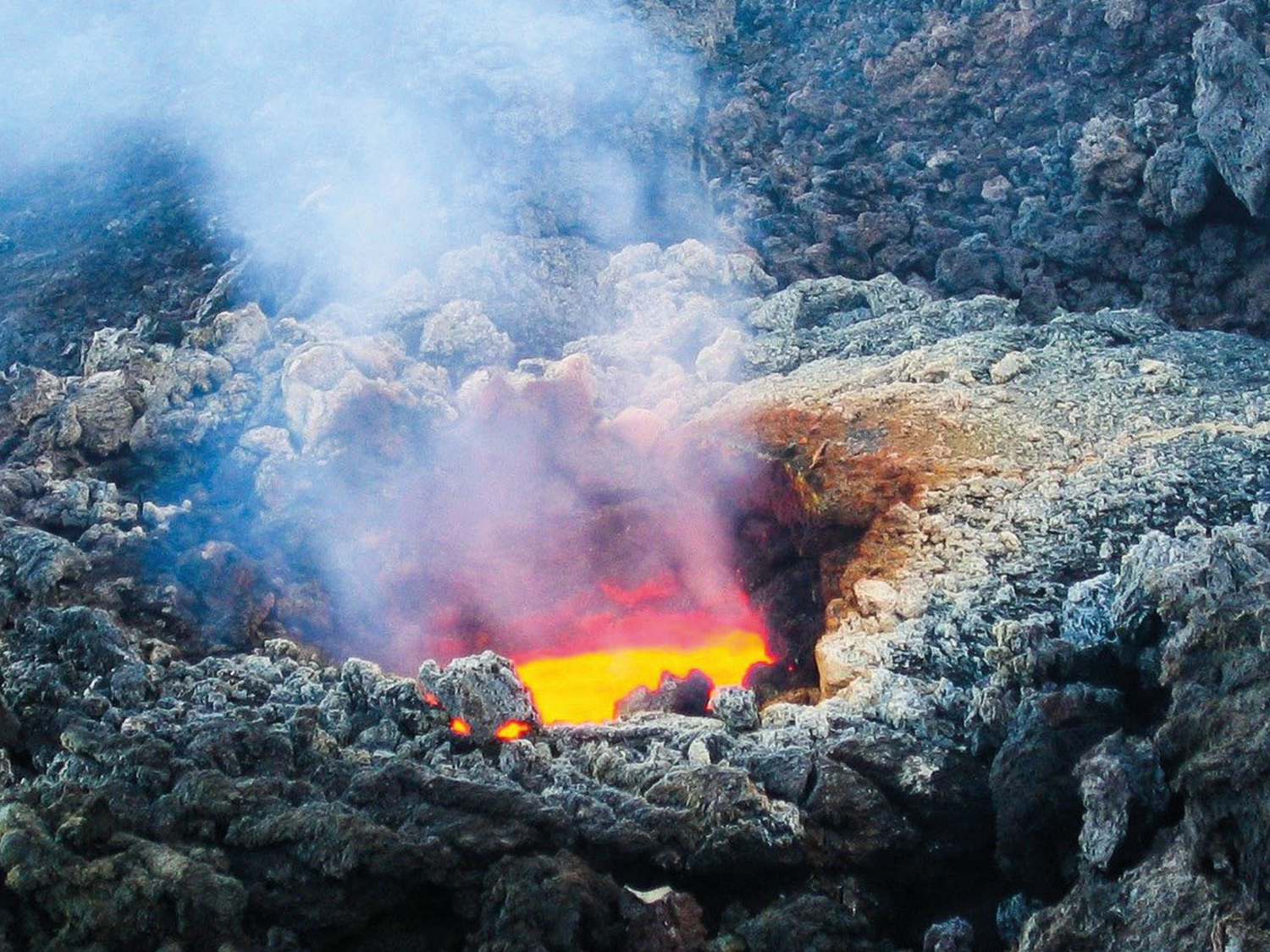
Numerous spectacular shots from Iceland show the earth’s activity in action.
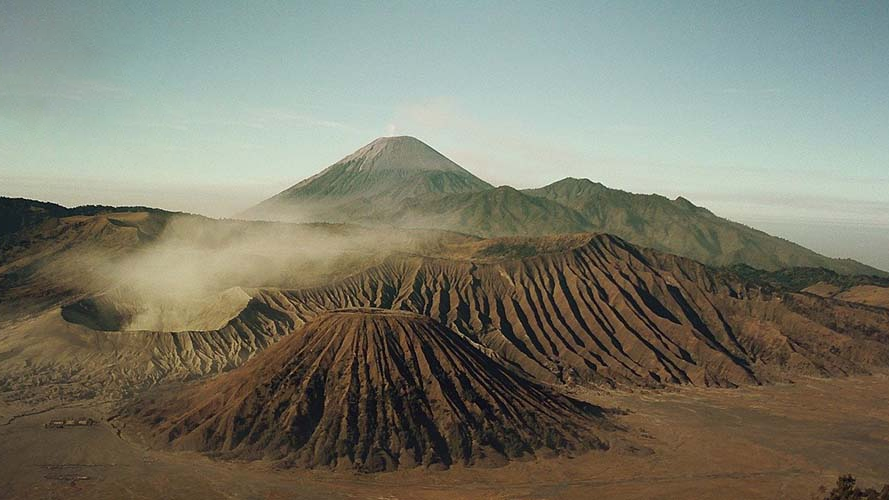
In some places, the enormous heat from deep within the Earth is conducted outward as if through a valve. Volcanoes are formed where the hot viscous rock from the interior of the earth reaches the outside.
Geysers and hot springs are formed because water is heated underground by volcanic activity and then makes its way to the surface through a maze of cracks and crevices.
In combination with the extensive additional material (worksheets, interactive tasks), this medium can be used excellently in the classroom.
In the detailed data section of the DVD 91 pages of teaching and accompanying material, of which:
26 pages of worksheets and supplements with solutions
17 test tasks
10 interactive tasks
Curriculum-centred and oriented towards educational standards
Matching

Ceramic
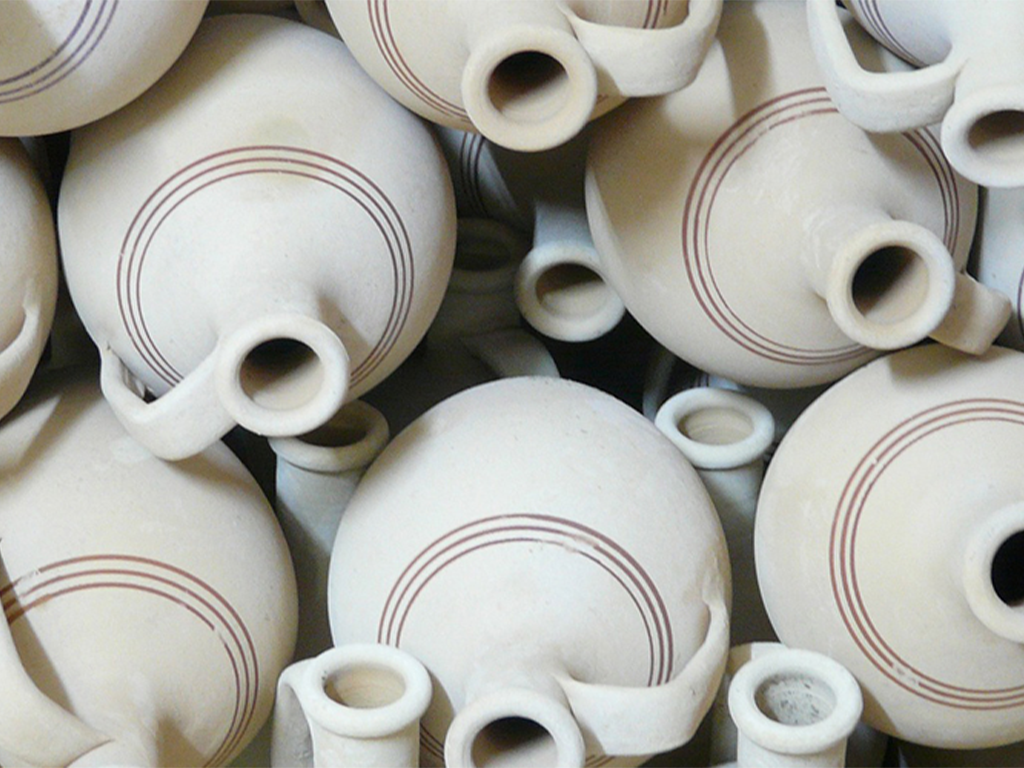
Ceramics are indispensable in our everyday lives. We eat from ceramic plates, drink from ceramic cups, use tiled ceramic bathrooms. But how is ceramic manufactured? The film reveals the secrets of this fascinating material! We get to know more about the beginnings of ceramic in the Old World of Egypt and Mesopotamia, about Greece, China and Rome. We gain interesting insights into the valuable earthenware and are also shown the exquisite further development of the "white gold". Today this versatile material is irreplaceable in industry, too. Whether in space or as an easily compatible substitute in medicine, ceramic is applied in many places.

Part Time Kings
Your children are not your children

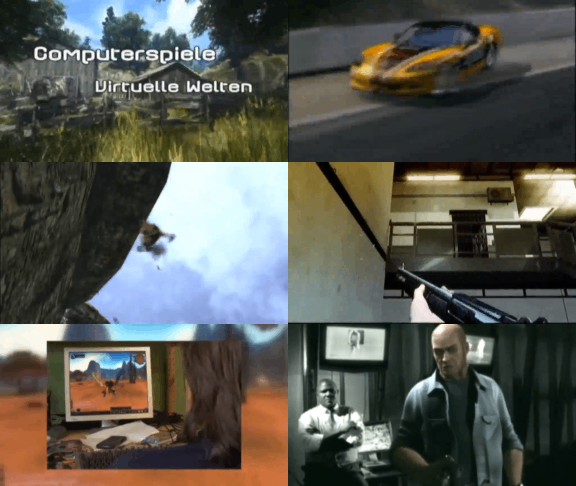
Computer Games
This film covers the topic of computer games in a variety of ways and from many different angles. Apart from the fascina- tion of computer games for users, the historical development as well as the production of computer games are described. The established genres are introduced, the guidelines of the German BPjM are explained. In light of recent public discussions, a neutral overview of the pros and cons of playing computer games is given, and different kinds of player behaviour are outlined. In this film, the pupils will recognise many aspects of their favourite pastime that encourage an independent, constructive use of this medium and reinforce their media competency. The film and teaching material are very closely related to the real-life situation.