







 Physics

4667153 / 5558679
Licht und Farbe
Lebenselexiere der Erde
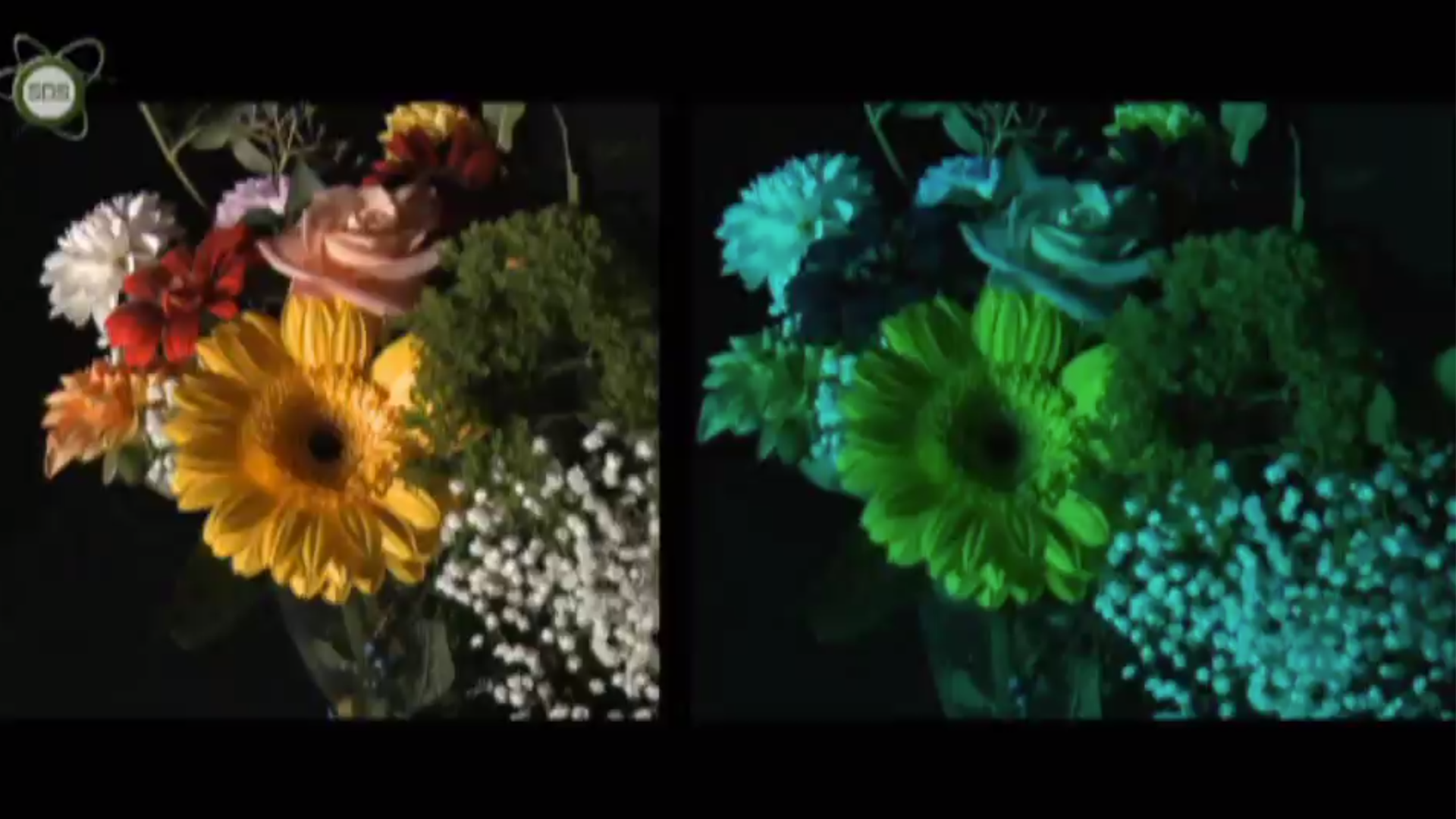
Ohne Licht würde auf unserer Erde kaum Leben existieren. Pflanzen brauchen diese elektromagentischen Wellen, um zu wachsen und durch den Vorgang der Photosynthese unter anderem Sauerstoff zu produzieren. Genauso sind Farben wesentlicher Bestandteil in der Natur und haben ihre eigene Bedeutung. Auffällige Färbungen bei Reptilien sollen Gefahr signalisieren, während ein möglichst prächtiges Federkleid bei Vögeln ihre Attraktivität steigern soll. Genau wie andere Arten reagieren auch Menschen auf Licht und Farben. „Schau dich schlau!“ zeigt, wie die beiden Komponenten eingesetzt werden, um uns Wohlbehagen zu bescheren oder uns zum Beispiel zum Kaufen zu animieren.
Joey Grit Winkler besucht ein Lichtlabor, wo sie genau erfährt, was Licht überhaupt ist, und man ihr erklärt, wieso beispielsweise die Sonne beim Untergehen rot wird. Außerdem findet Joey heraus, welchen Einfluss Licht auf unsere Stimmung hat und wie die mit bloßem Auge unsichtbaren Wellen für medizinische Zwecke eingesetzt werden. Aber genauso wie Licht heilen kann, so kann es auch krank machen. In „Schau dich schlau!“ erläutert Joey Grit Winkler alles Wissenswerte über Licht!
Curriculum-centred and oriented towards educational standards
Matching
Youth Movement
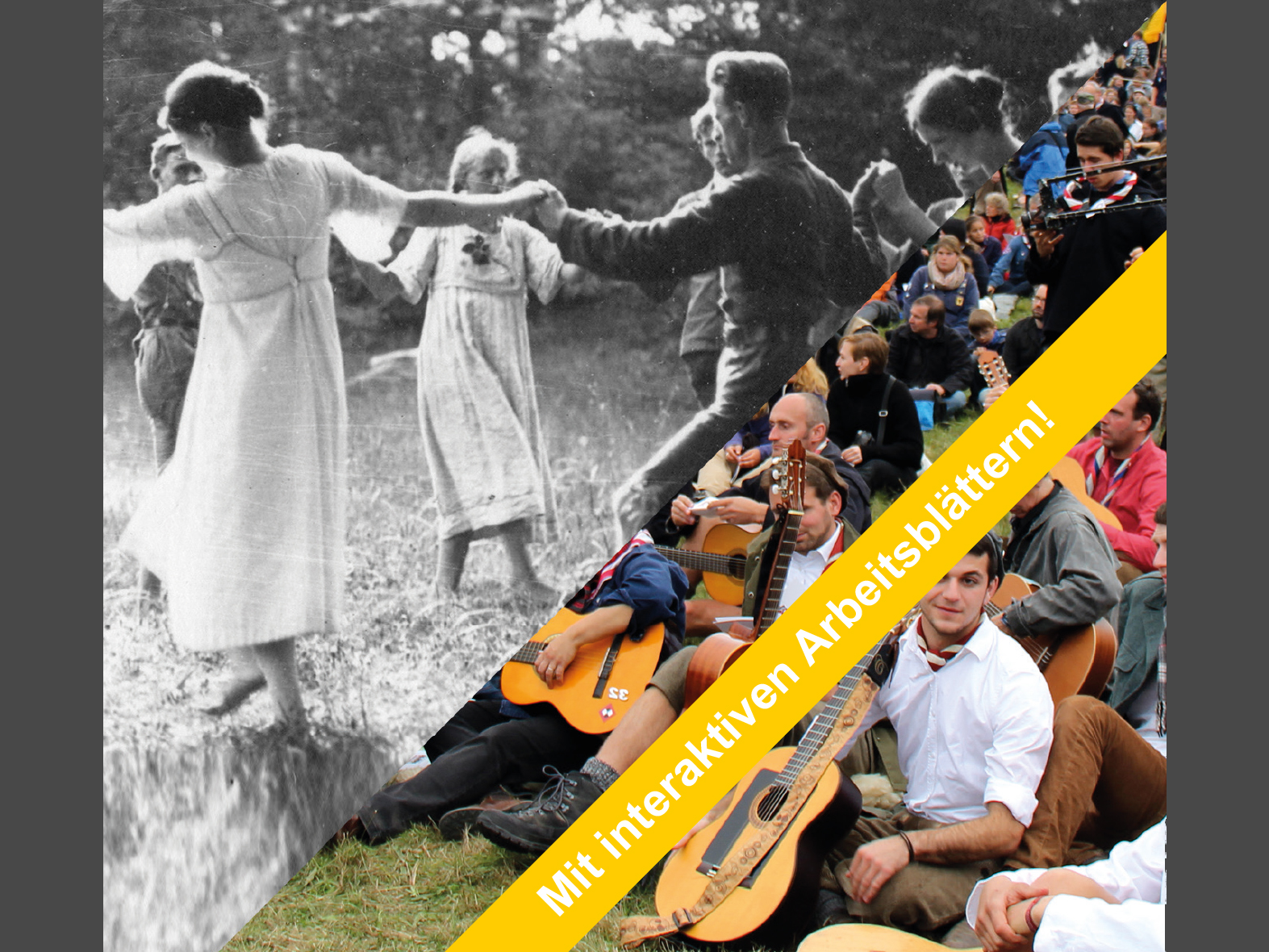
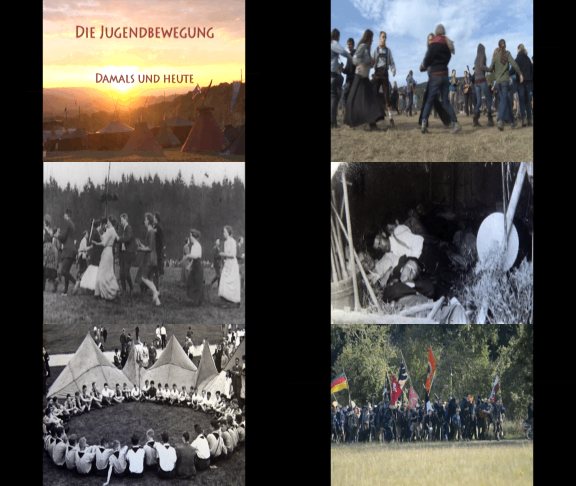
Dancing until your feet hurt: Here, at the meeting on the Hoher Meissner near Kassel, 3,500 participants from Boy Scout associations, youth and Wandervogel groups from all over the German-speaking region have gathered. They want to celebrate, simply get to know each other and commemorate a historic anniversary.
Podcasting
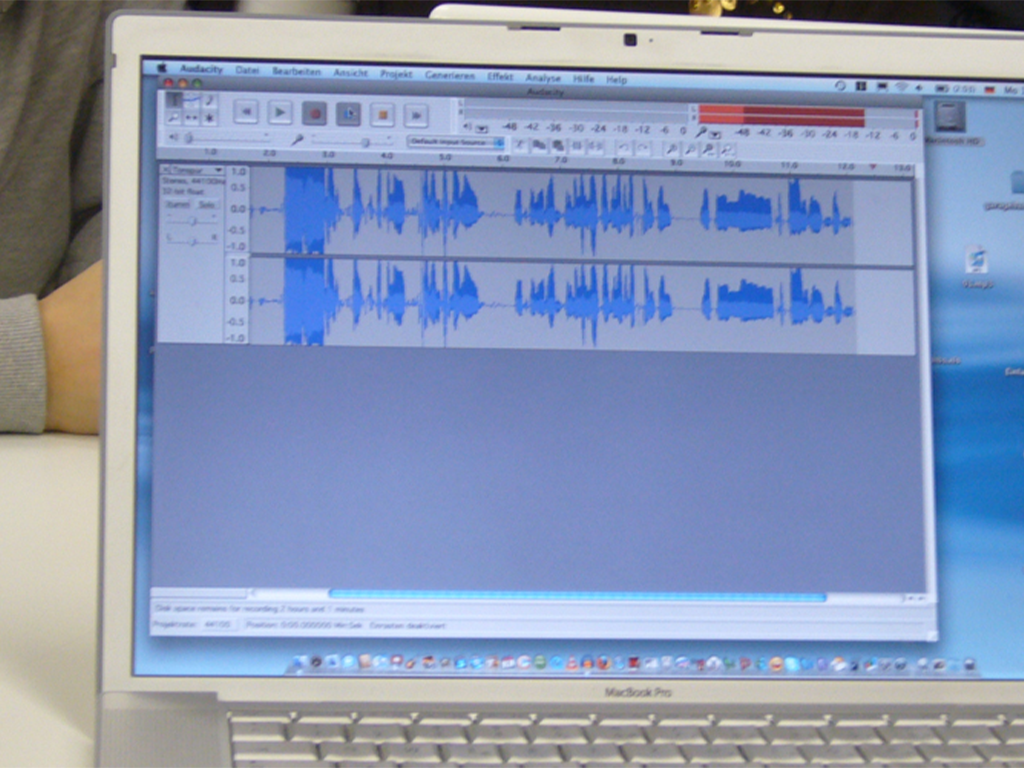
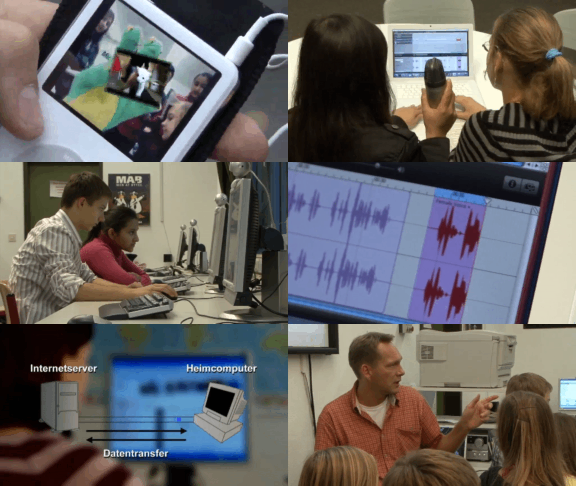
Today, the use of new media has become a matter of course not only in everyday life – schools and teaching, too, benefit from the new technologies and methods, which support active and independent learning. Especially in computer science, ethics and language courses but also in all other subjects, modern media are a valuable pedagogic and didactic asset. This DVD uses the example of podcasts to demonstrate how the possibilities opened up by new media can be applied in the classroom and how the pupils can be taught to handle them in a competent and target-oriented manner. The film is aimed at supporting the use of podcasts at school and encourages making them. This also requires the ability to find information on the Internet and assess it. The film informs on the functionality of podcasts and technical background as well as on the teaching and learning possibilities offered by podcasts – ranging from specific contents to superordinate learning targets such as the advancement of creativity and team spirit. The DVD is a useful support for teachers applying new media and wishing to show their pupils how to handle Running Time: 20:29 ms them in a sensible way.
Peer Mediation
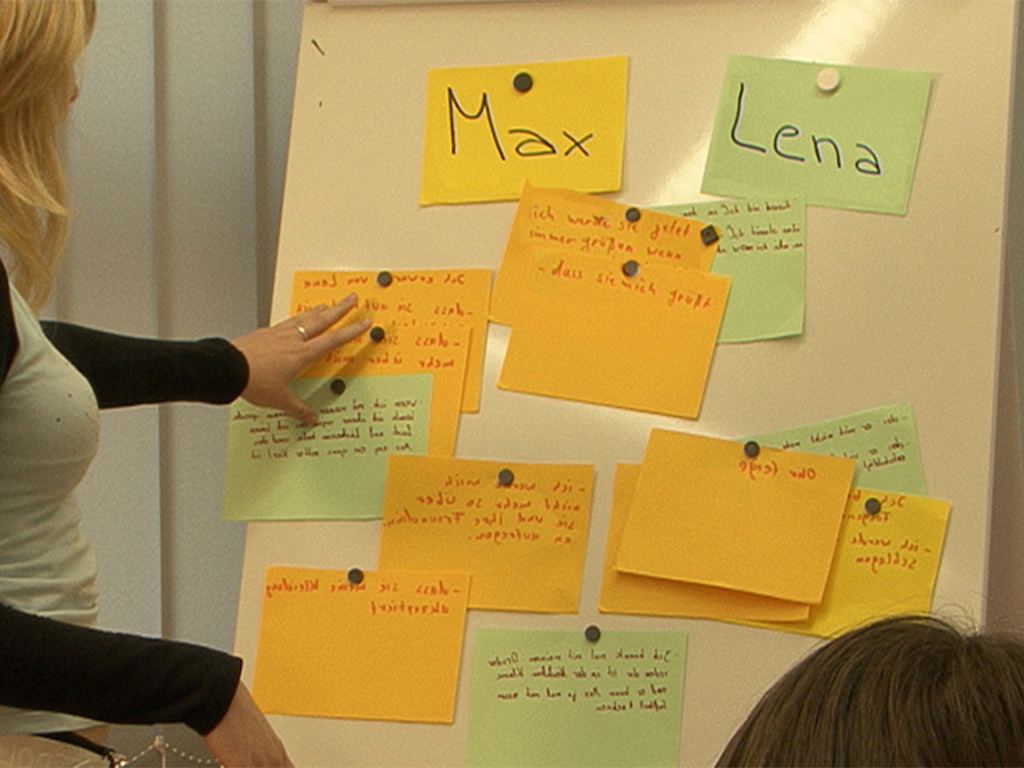
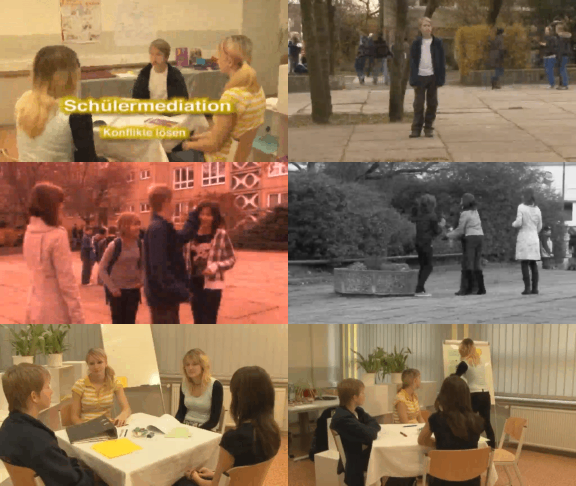
Lena and Max attend the 7th form. Max is new in class. During a break, Max notices that Lena and her friend are laughing at him again. Max loses his temper! He slaps Lena in the face. That hurts and Lena runs back into the classroom with a red cheek. The growing conflict between the two has escalated. Just like Lena and Max, every day pupils all over Germany have rows with each other. At the Heinrich Hertz Gymnasium in Thuringia, pupils have been trained as mediators for years. At set hours, they are in a room made available by the school specifically for mediation purposes. The film describes the growing conflict between Max and Lena and shows a mediation using their example. In doing so, the terms “conflict” and “peer mediation” are explained in a non-technical way. The aims of peer mediation and its progress in five steps as well as the mediators’ tasks are illustrated. The art of asking questions and “mirroring”, which the mediators must know, is described and explained. Together with the comprehensive accompanying material, the DVD is a suitable medium to introduce peer mediation at your school, too.