







 Geography
4677117 / 5564406
Rome
Capital of Italy
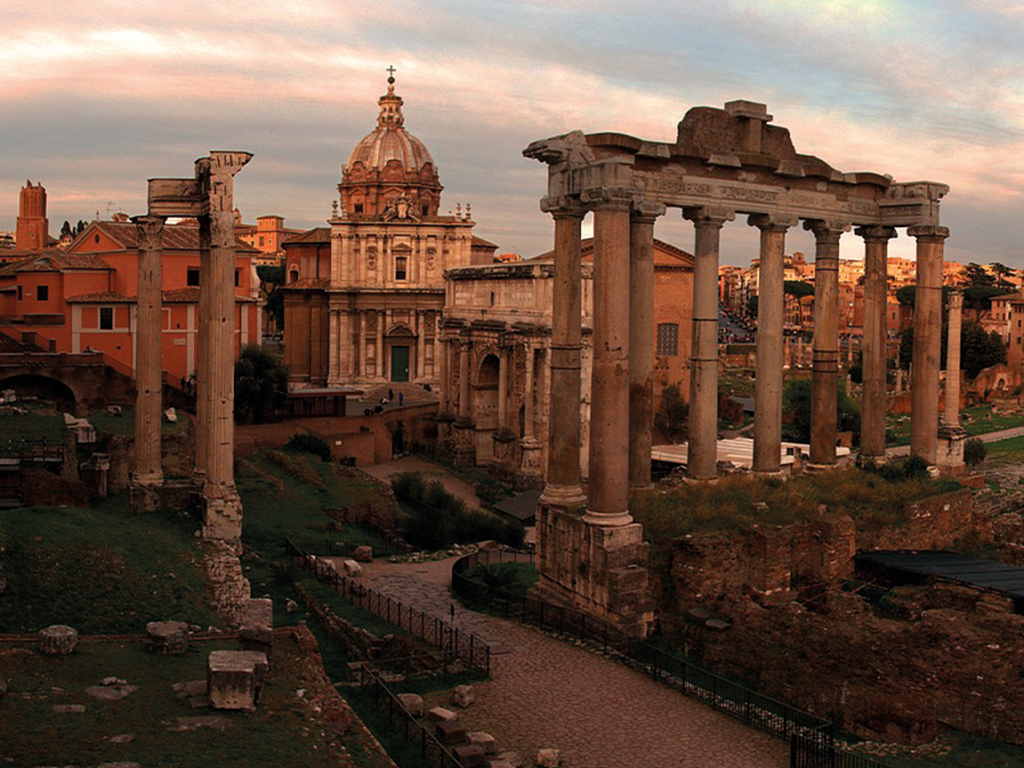
On the Tiber, in the centre of Italy, there lies the Italian capital of Rome. The “Eternal City” as it was called by the poet Tibullus more than 2,000 years ago, is located on a plain between the foothills of the Apennine and the Tyrrhenian Sea.
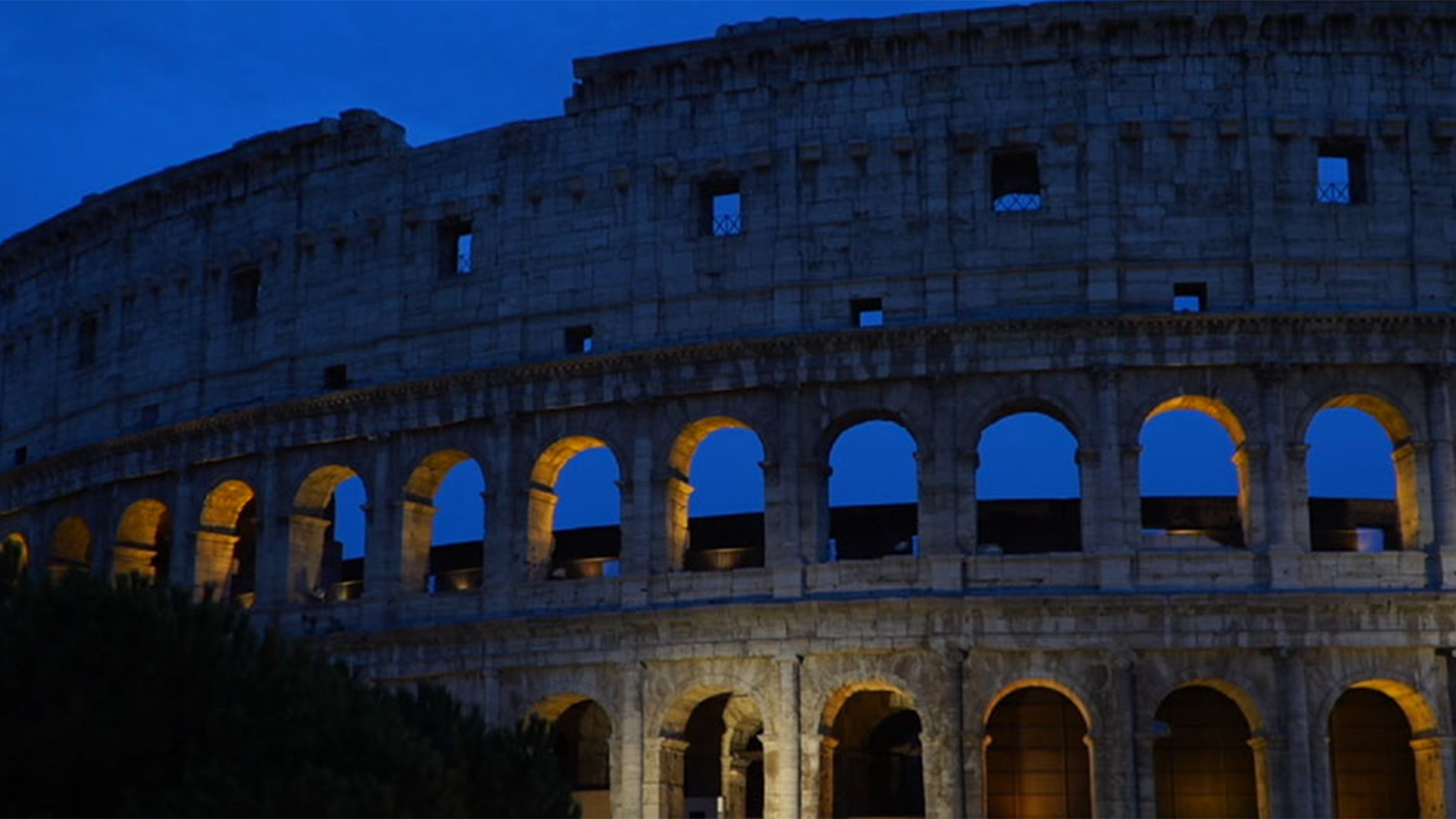
Rome is a multifarious city with a history that dates back thousands of years. It was the core of the huge Roman Empire, the heart of Catholic Christianity and is the capital of Italy today. Even today, the Pope still has his pontifical residence in the Vatican City State, the smallest state in the world.
Over its long history, Rome has experienced eras of growth, prosperity and decline and is shaken by crises again today. But there is one thing Rome has not lost – its very special magic.
The DVD is also in italian language and could therefore excellentely be used in italian lessons.
Curriculum-centred and oriented towards educational standards
Matching
Ceramic
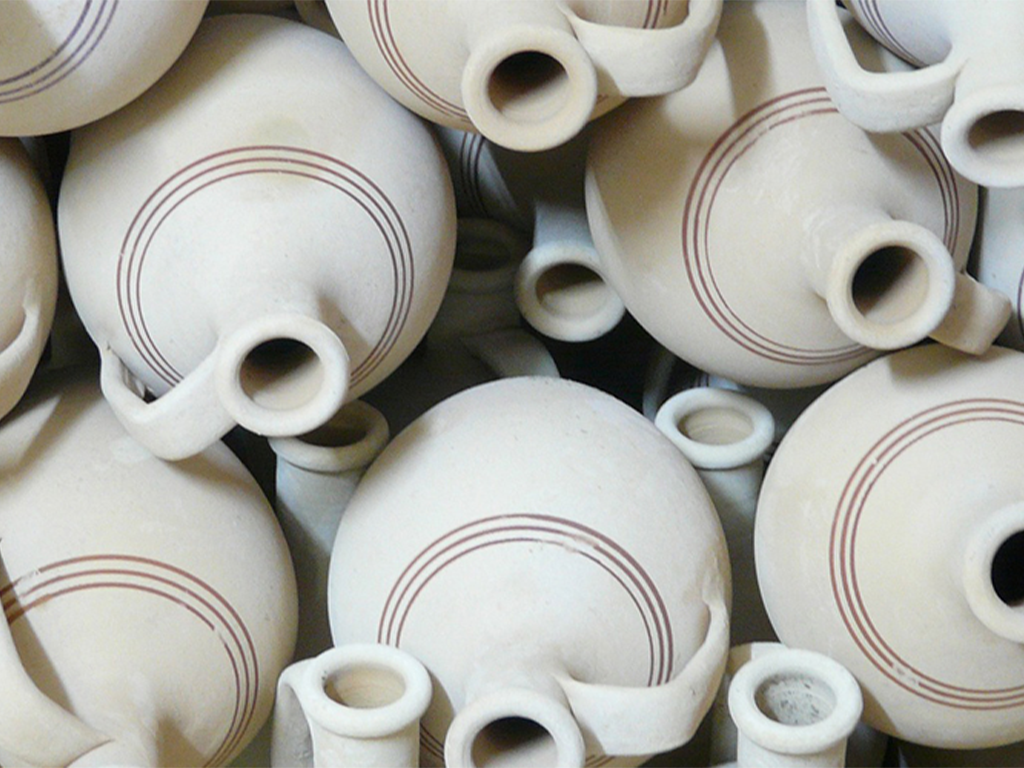
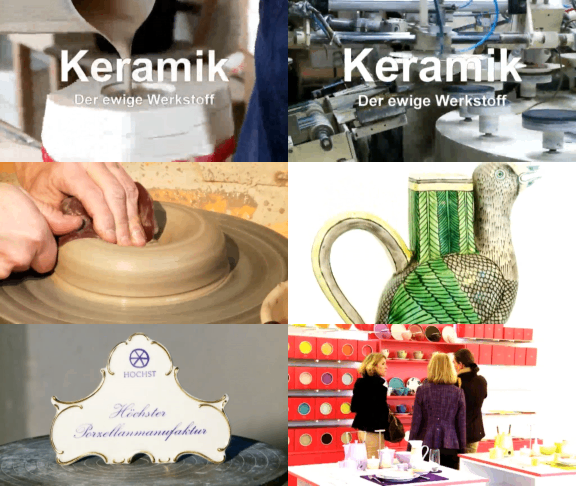
Ceramics are indispensable in our everyday lives. We eat from ceramic plates, drink from ceramic cups, use tiled ceramic bathrooms. But how is ceramic manufactured? The film reveals the secrets of this fascinating material! We get to know more about the beginnings of ceramic in the Old World of Egypt and Mesopotamia, about Greece, China and Rome. We gain interesting insights into the valuable earthenware and are also shown the exquisite further development of the "white gold". Today this versatile material is irreplaceable in industry, too. Whether in space or as an easily compatible substitute in medicine, ceramic is applied in many places.

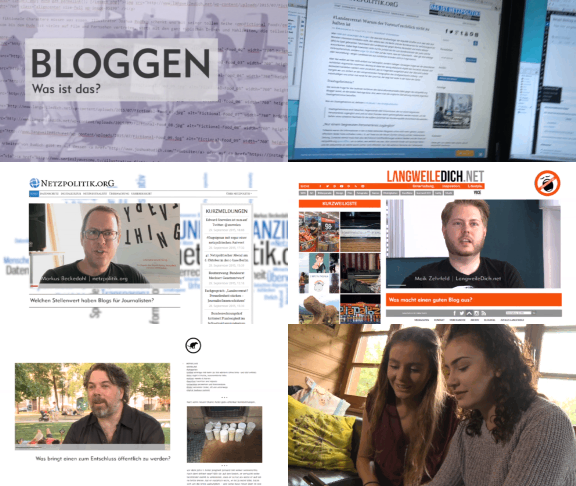
Blogging
The weblog or blog, for short, as a medium is not much older than this century. Blogs came into being in the World Wide Web as ’messages from below’, as web pages from web creators who wanted to share their view of the world with the world. They are short notes, long texts, pictures, videos, which are posted loosely and at random intervals to the world for an undefined public.
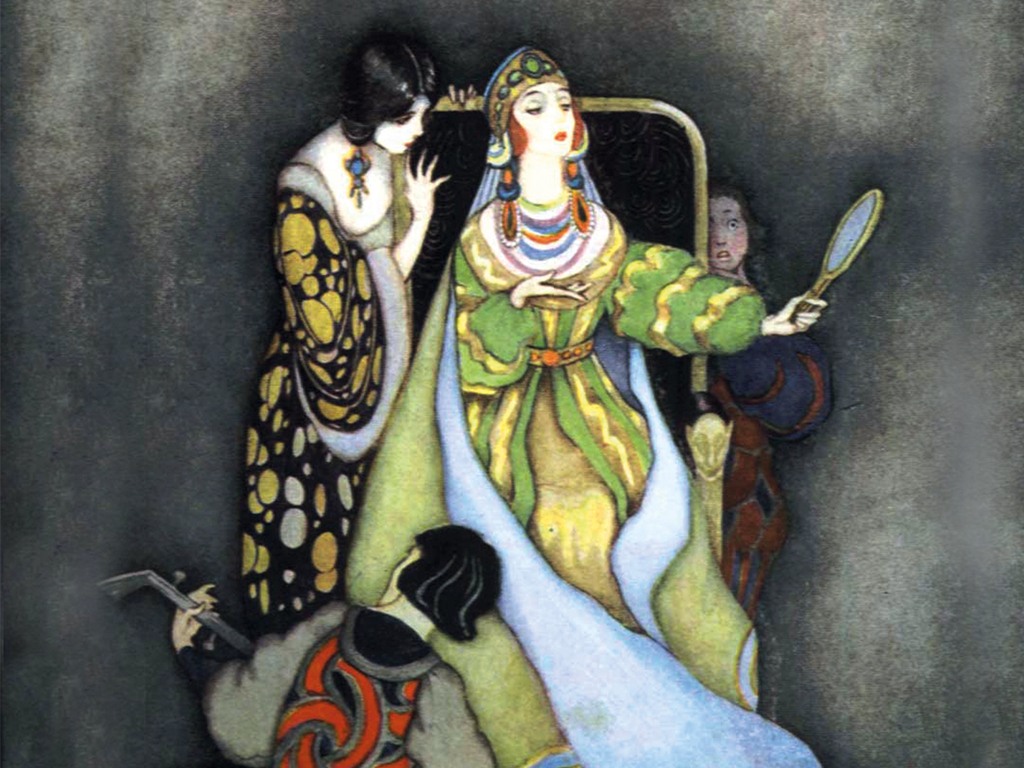
Ideals of Beauty
1. What Is Beautiful?