







 Biology, Primary School
46505345 / 55505959
Rote Bete
Herkunft, Anbau, Verwendung
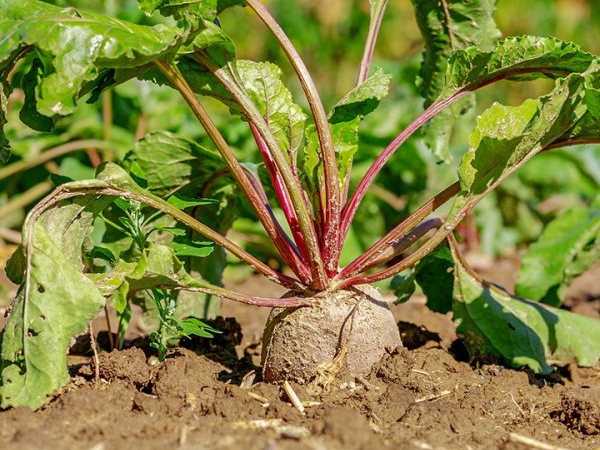
Rote Bete, je nach Landstrich auch als rote Rübe, Rahne, oder Rande bezeichnet, ist ein schmackhaftes Wintervorratsgemüse mit langer Tradition. Bereits die Römer wussten um ihre positiven Eigenschaften in Bezug auf die Gesundheit.
Doch woher kommt die rote Farbe? An welchen Merkmalen erkennt man die Rote Bete? Welche Wirkstoffe machen sie so gesund? Wozu lässt sich Rote Bete noch verwenden? Wo und wann gedeiht sie von der Aussaat bis zur Ernte?
Der Film zeichnet ein umfassendes Bild der roten Knolle. Ausführlich beschrieben werden ihre Herkunft, der Anbau und Verwendung. Am Ende des Films gibt es eine Kochstunde mit den passenden Rezepten.
Play trailer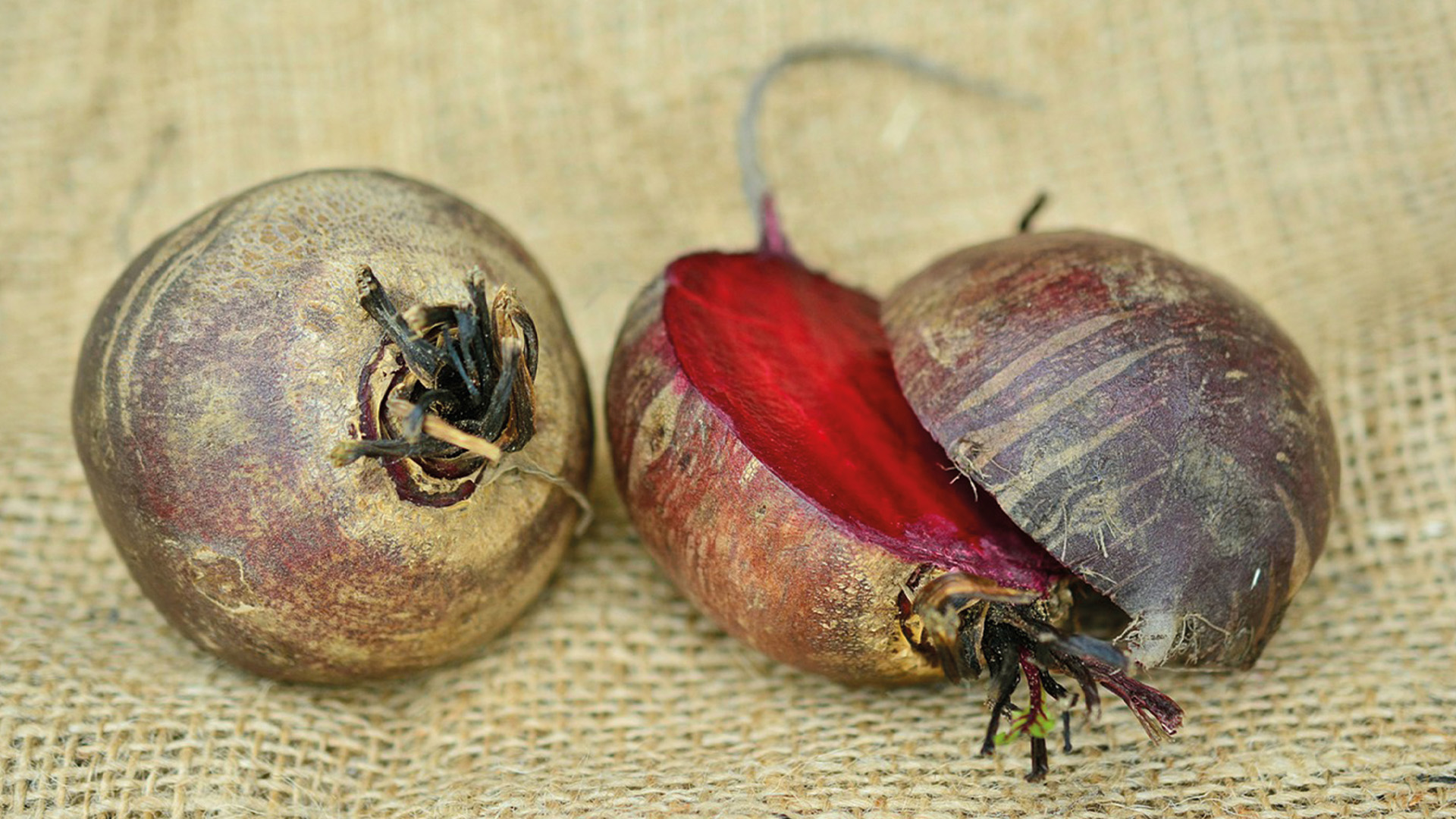
Curriculum-centred and oriented towards educational standards
Matching
Seal of approval
Quality seals such as the "Bio-Siegel", "Blauer Engel", "Stiftung Warentest" and up to 1,000 other seals represent characteristics such as sustainability, health or safety with regard to a product, a service or even a company.
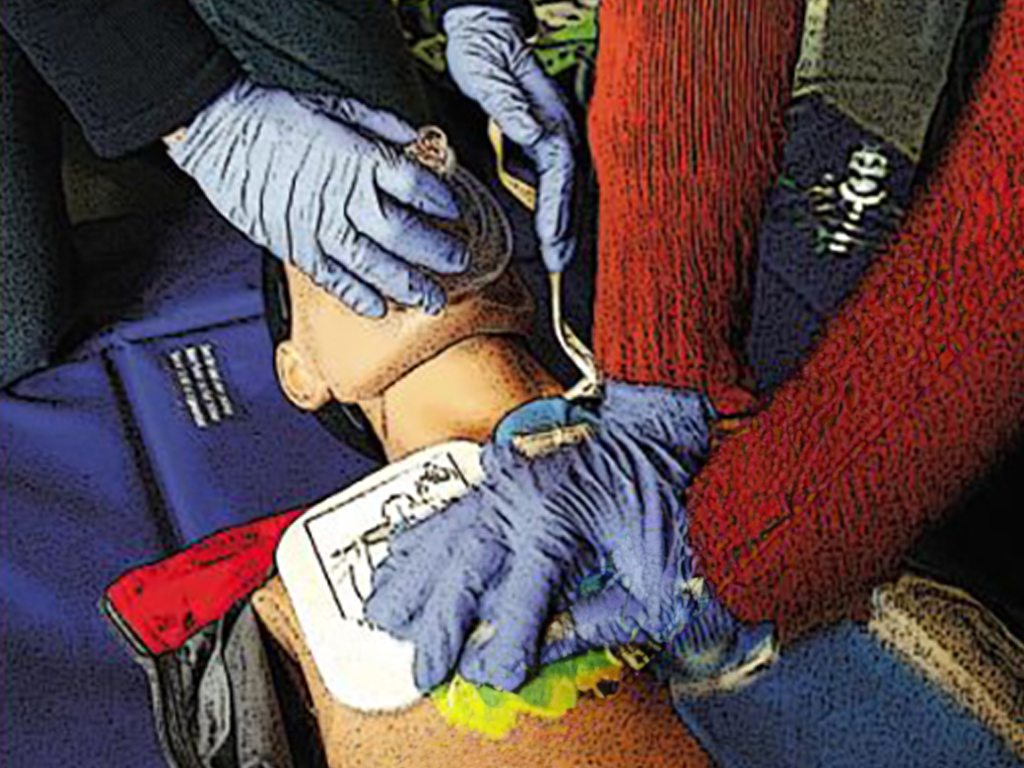
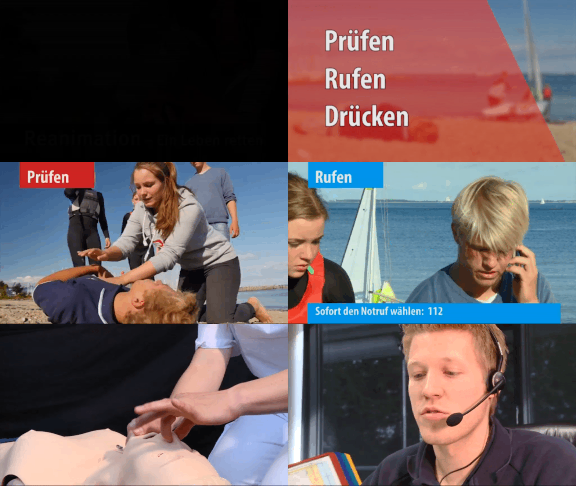
Resuscitation
It can happen to anyone – of any age, in any place, at any time. Sudden cardiac arrest may quickly prove fatal. Immediate action is called for! Just remember: Check Call Press Anyone can do it. You can't do anything wrong!
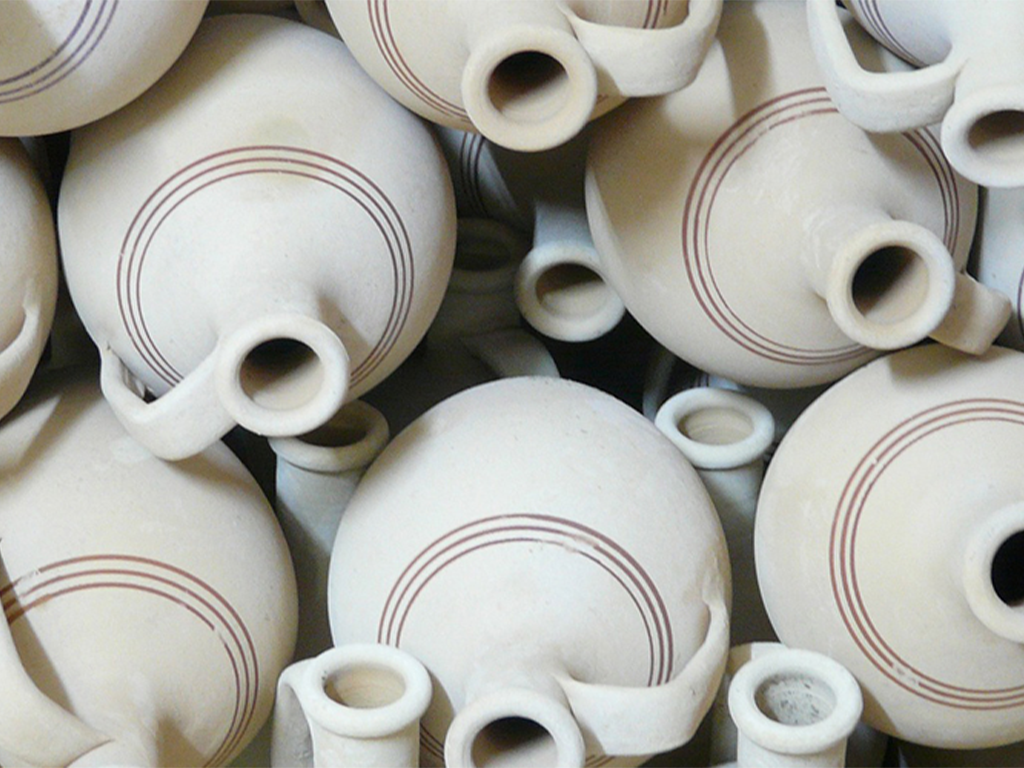
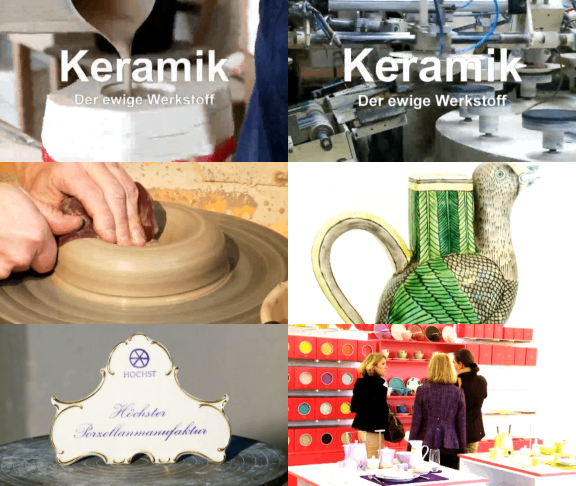
Ceramic
Ceramics are indispensable in our everyday lives. We eat from ceramic plates, drink from ceramic cups, use tiled ceramic bathrooms. But how is ceramic manufactured? The film reveals the secrets of this fascinating material! We get to know more about the beginnings of ceramic in the Old World of Egypt and Mesopotamia, about Greece, China and Rome. We gain interesting insights into the valuable earthenware and are also shown the exquisite further development of the "white gold". Today this versatile material is irreplaceable in industry, too. Whether in space or as an easily compatible substitute in medicine, ceramic is applied in many places.