







 German

46505342 / 55505956
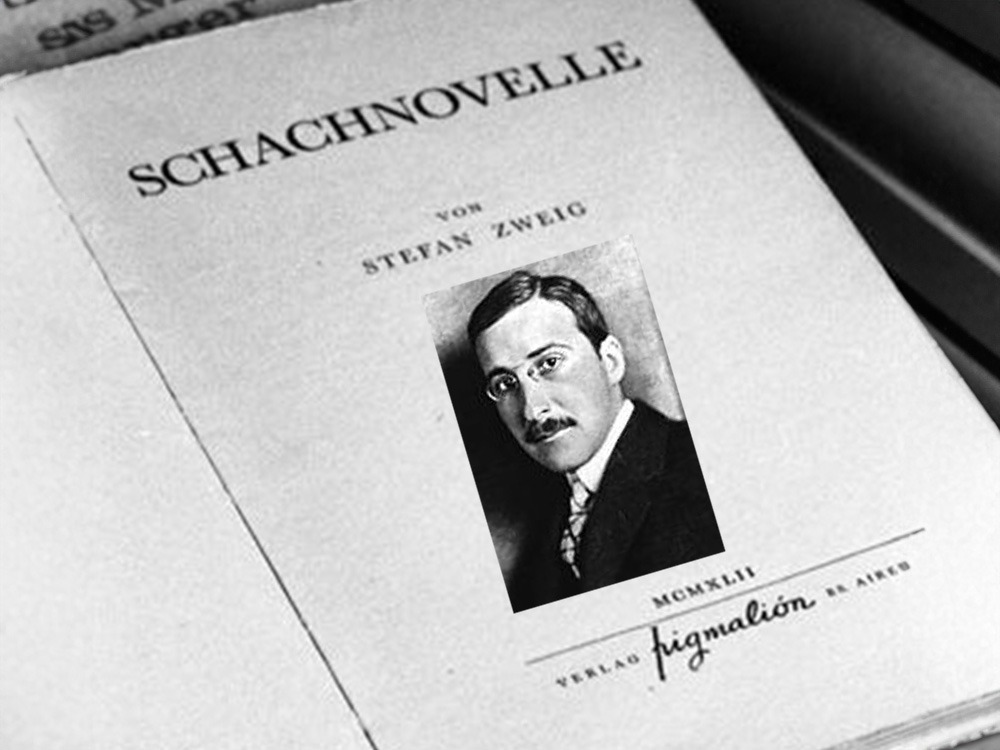
Stefan Zweigs Schachnovelle
Hintergrund, Entstehung, Interpretation
Stefan Zweig (1881 – 1942) war ein großer österreichischer Schriftsteller. Die „Schachnovelle“ gehört zu seinen bekanntesten Werken.
Der Film zeichnet die Lebensstationen und das Wirken Stefan Zweigs nach. Ausgehend von den Ereignissen des Dritten Reiches und der Flucht Zweigs ins Exil steht die „Schachnovelle“ im Mittelpunkt und weist zahlreiche biografische Züge Zweigs auf, allen voran das zentrale Dingsymbol des Schachspiels, das erzwungene Verlassen der Heimat und die traumatische Behandlung durch die Gestapo. Ansprechend dargestellt, wird die Erzählung analysiert, die Merkmale von Novelle und Exilliteratur hervorgehoben und im Kontext der Zeit verortet.
Play trailer
- <> Languages : DE
- <> Target Groups : Sek I, Sek II
- <> Subject : German
- <> Length : 24:10 min
- View in learning platform
Licenses

Curriculum-centred and oriented towards educational standards
Matching


Franz Kafka
„Der Prozess“, „Die Verwandlung“, „Das Urteil“ sind bekannte Werke Franz Kafkas (1883 – 1924). Für den Unterricht empfohlen!


Computer Games
This film covers the topic of computer games in a variety of ways and from many different angles. Apart from the fascina- tion of computer games for users, the historical development as well as the production of computer games are described. The established genres are introduced, the guidelines of the German BPjM are explained. In light of recent public discussions, a neutral overview of the pros and cons of playing computer games is given, and different kinds of player behaviour are outlined. In this film, the pupils will recognise many aspects of their favourite pastime that encourage an independent, constructive use of this medium and reinforce their media competency. The film and teaching material are very closely related to the real-life situation.


Seal of approval
Quality seals such as the "Bio-Siegel", "Blauer Engel", "Stiftung Warentest" and up to 1,000 other seals represent characteristics such as sustainability, health or safety with regard to a product, a service or even a company.