








55503546
Was ist eine Kirche?
Für den Unterrichtempfohlen
In 10 interaktiven Aufgaben werden die Besonderheiten katholischer und evangelischer Gotteshäuser erklärt und anschließend abgefragt.
Das Medium bietet H5P-Aufgaben an, die ohne zusätzliche Software verwendbar sind.
Durch interaktive Aufgabentypen wird das audiovisuelle und interaktive Lernen einfach.
Lernen macht jetzt Spaß!
- <> Languages: DE
- <> Target Groups: GRU
- <> Subject: Primary School, Religion
- <> Tasks: 10
Licenses
Included Tasks
- I Was ist (eine) Kirche? - Interaktive Aufgaben
- Warum gibt es Kirchen? - Video und Interaktive Aufgaben
- Kennst du diese Gegenstände in der Kirche? - Interaktive Zuordnung
- Kreuz; Altar und Orgel und ihre Bedeutung - Interaktive Infokarten
- Katholisch; Evangelisch; Ökumenisch - Interaktive Aufgaben
- Gemeinsamkeiten Katholisch & Evangelisch - Interaktive Aufgabe
- Kirche: Das Gebet - Interaktive Aufgaben
- Weiteres Kirchenwissen - Definitionen interaktiv
- Kirchenquiz - Interaktives Kreuzworträtsel als Test
- Spiel: Symbole in der Kirche - Finde die Bildpaare
- II Liturgie - Video und Interaktive Aufgaben
- III Jahreskreis der Kirchenfeste & Jahreszeiten - Infotafel zum Anklicken
- IV Der Weihnachtskreis - Interaktive Aufgaben
- V Der Osterkreis - Video und Interaktive Aufgaben
- VI Das Pfingstfest - Video & Interaktive Aufgaben
- VII Zeitliche Reihenfolge der Kirchenfeste - Zuordnungsaufgabe
- VIII Exkurs: Feste in anderen Religionen - Interaktiver Dialog
- IX Festtagswissen - Interaktive Lernstandkontrolle
- X Spiel: Suchsel - Finde die Kirchenfeste
Curriculum-centred and oriented towards educational standards
Matching
Confirmation
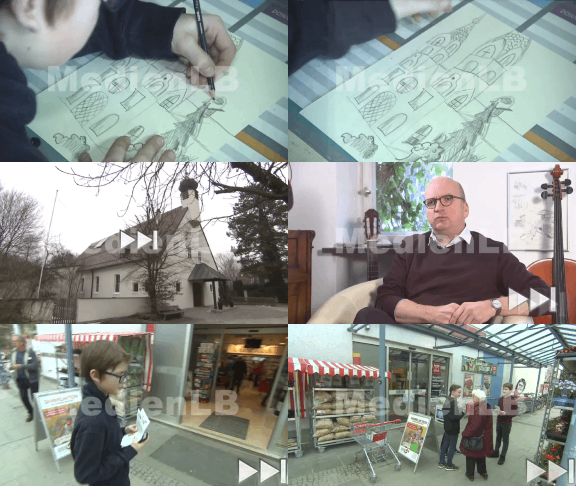
This was Benjamin, aged four months, at his baptism. This is Benjamin today, aged 13. He will soon receive his confirmation. What does that mean? Benjamin has been baptised as a Protestant. The word “confirmation” originates from the Latin word “confirmare” and means “to confirm”. By your confirmation, your Christian belief in God is confirmed.
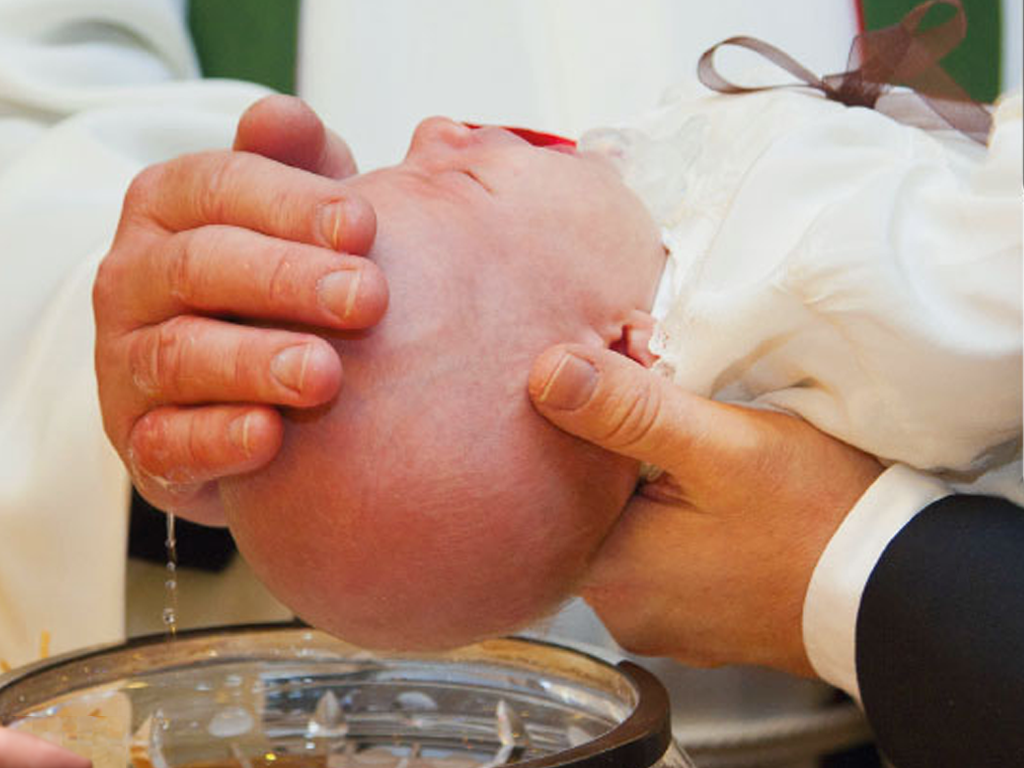
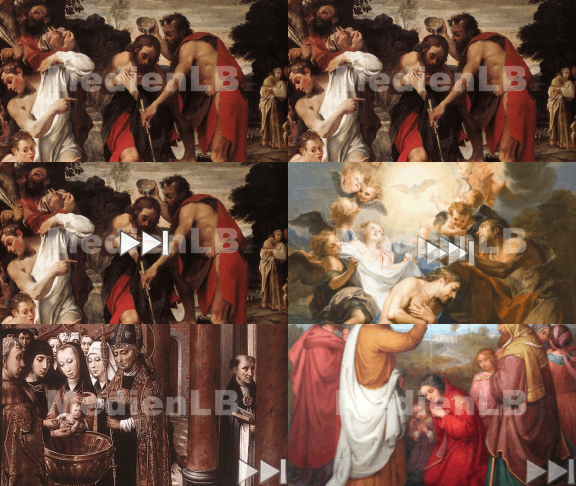
Catholic and Protestant Baptism
As an important ritual of the Christian faith, baptism is closely connected with the traditional stories of the prophet John the Baptist, who is said to have lived in Jesus’ lifetime. John baptised people in the River Jordan, located at the present-day border between Israel and Jordan in the Middle East. Baptism and water were symbols of people’s confession of past sins and return to the right track in life. One day, Jesus and some of his disciples are said to have come to John to have themselves baptised.
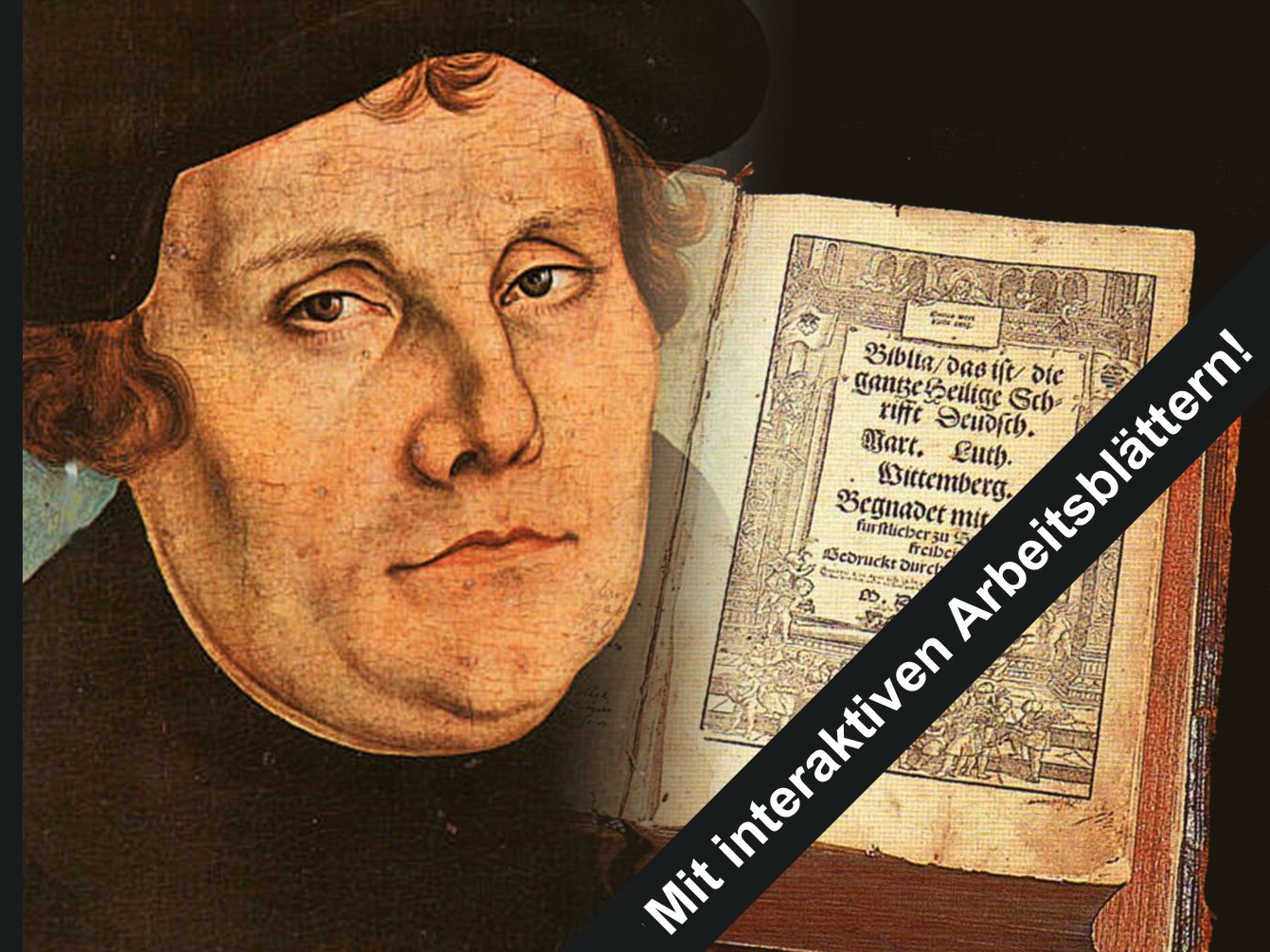
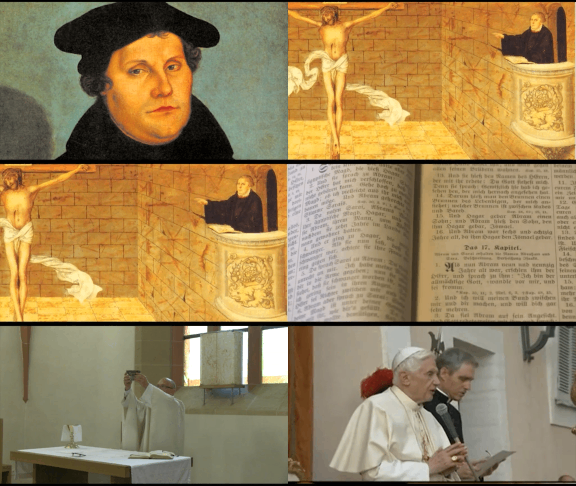
500 Years of Reformation
On 31st October 1517, Martin Luther published his 95 Theses against the sale of indulgences.