



Suche:

  • # Artistry
  • # Biology
  • # Chemistry
  • # Ecological
  • # Economy
  • # English
  • # Foreign Language
  • # Geography
  • # German
  • # Health
  • # History
  • # Informatik
  • # Latin
  • # Mathematics
  • # Media Education
  • # Music
  • # Physics
  • # Politics / Civics
  • # Preschool
  • # Primary School
  • # Religion
  • # Society
  • # Sports
  • # Technology
  • # Training of Teachers
  • # Vocational Education
1697 results

The Meadow as a Biotope

This DVD offers an insight into the plants and animals typically found in the meadow biotope. In an easily comprehensible way, primary school pupils experience a small, exciting world where various kinds of animals and plants co-exist. The film aims at improving the children’s understanding of animals and at arousing their curiosity for plants and animals. The DVD covers the following aspects of the topic of “meadows”: Types of meadows (creation of a meadow, marshy meadows, dry meadows, wet meadows, fertilised meadows); plants of meadows (cowslips, buttercups, dandelions and many more); layers of the meadow and animal habitats (on plants, on and in the ground, etc.); interference with the diversity of species (effects of mowing and fertilising on the meadow); protection of the meadow (responsibility of humans for nature); use of meadow plants (in medicine, human diet).

Learn more

Vegetables and Oil Plants

Throughout the whole year, shops offer us a varied assortment of different kinds of vegetables. But where do the vegetables come from? Originally wild-growing, vegetables are crop plants today. They are sown or planted, cultivated and harvested by humans.

Learn more

Schokolade

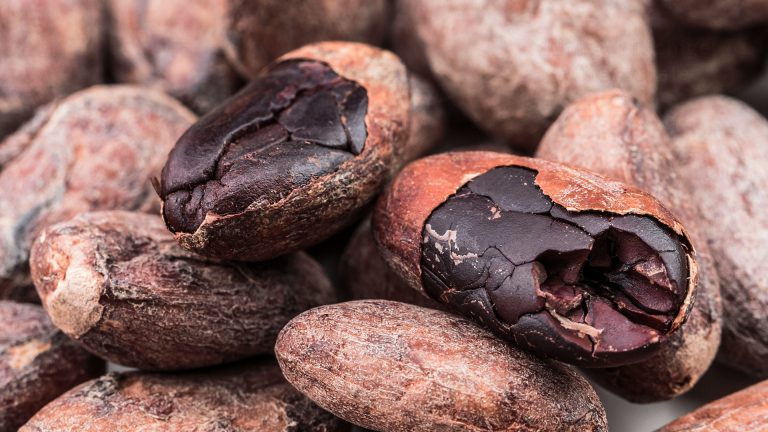
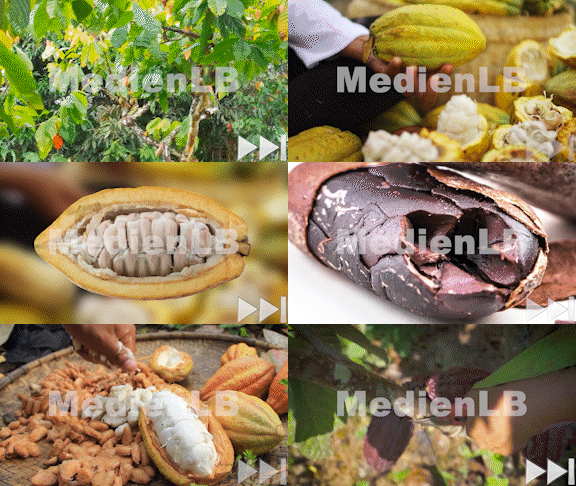
Schokolade – die süße Versuchung. Kaum einer, der dieser zart schmelzenden Köstlichkeit widerstehen kann. Knapp neun Kilo des leckeren kakaohaltigen Genussmittels gönnte sich der Deutsche 2005 im Durchschnitt. Das liegt nicht nur am guten Geschmack: Schokolade hat auch eine besondere Wirkung auf Körper und Geist. Einige ihrer Inhaltsstoffe sind zum Beispiel gut gegen Bluthochdruck oder Depressionen. "Schau dich schlau!" erklärt, wie Schokolade genau wirkt. Ihren Ursprung hat Schokolade in Südamerika, genossen wurde sie dort als die Sinne erregendes Getränk. Bis zum heutigen Tag werden in Äquatorländern Kakaofrüchte per Hand geerntet, indem sie mit Macheten von den bis zu 15 Meter hohen Bäumen geschlagen werden. Mit den spanischen Eroberern kam der Kakao nach Europa, doch erst im Jahre 1848 gab es Schokolade in Form fester Tafeln. Heute reicht die gute alte Milchschokolade nicht mehr aus – immer ungewöhnlichere Kreationen kommen auf den Markt, darunter gewagte Kombinationen mit Paprika, Sellerie oder sogar Bergkäse. "Schau dich schlau!" zeigt den Weg der Kakaobohne von der Plantage bis in die Schokoladentafel. Außerdem haben sich Joey Grit Winkler und Fero Andersen auf der Internationalen Süßwarenmesse (ISM) in Köln umgeschaut und zeigen die neuesten Trends und die skurrilsten Zutaten!

Learn more

Satz des Pythagoras

Die Formel a2 + b2 = c2 zählt zu den bekanntesten der Geometrie. Alle Schülerinnen und Schüler begegnen ihr während ihrer Schullaufbahn als Satz des Pythagoras.

Learn more

Fluids and Viscosity

Be it the honey on our breakfast toast, the water from the tap or the air surrounding us – they all have one thing in common: in a physical sense they are fluids.

Learn more

Frisbee

Sobald die ersten Sonnenstrahlen kommen, sieht man sie hundertfach in Parks, in Vorgärten und auf dem Sportplatz. Die Rede ist von Frisbees.

Learn more

MP3

In an underground in the morning.

Learn more

Zünfte

Die Entstehung der Zünfte fällt ins Hochmittelalter und ist eng verbunden mit den Stadtgründungen.

Learn more

Germanic Tribes

When the Romans deliberately encountered the Germanic tribes in the 2nd century BC, they knew almost nothing about their soon-to-be most dangerous enemies and even today, much is still obscure as the Germanic tribes, unlike the Romans, did not leave behind large stone edifices but built their houses from wood – and this is ephemeral.

Learn more
MedienLB Logo

MedienLB has been producing award-winning school films and interactive modules for the classroom since 2006.
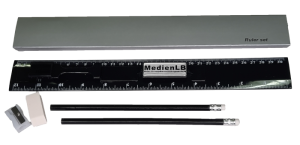
Vorschaubild für MedienLB-Cutter knife

MedienLB-Cutter knife

Add this useful mediaLB giveaway to your order free of charge.

Sigmund Freud I

On 6th May 1856 Sigismund Schlomo Freud was born in Freiberg, a small town in Moravia. His parents, the forty-one year old Jewish wool merchant Kallamon Jacob Freud and Amalia, née Nathansohn, who was 20 years his junior, had seven more children together, and his father had two sons from previous marriages. “My parents were Jews, I have also remained a Jew”, Sigmund Freud later wrote in his autobiography. Quote from Sigmund Freud: “Incidentally, why was it that none of all the pious people ever discovered psycho¬analysis? Why did the world have to wait for a completely godless Jew?”

Learn more

First World War

First World War – A European Catastrophe Even though countless armed conflicts had shaken mankind in the course of its history, it was the First World War that surpassed with its 17 million casualties and immense damage anything that had ever been experienced before. DVD 1 tries to investigate the question where to find the causes for the First World War. Starting with the foundation of the German Reich and its foreign policy, the alliance systems are explained. Also the importance of the colonies as raw materials and sales markets are shown. Germany was the economic powerhouse in Europe thus shaking its balance of power. What were the aims of the individual Great Powers? What were the chances when the war broke out in 1914 in view of the balance of power among the alliances? DVD 2 shows the fronts, meanwhile hardened, between the Central Powers and the Allies from 1915-1918. It becomes clearly visible what horrors modern warfare entailed and how radically the role of the individual soldier on the battlefield changed. Together with the extensive additional material the DVD is ideally suited for use in the classroom.

Learn more

Photography

ORIGINAL SOUNDTRACK Stefan Schmerold:

Learn more