






Suche:
- # Artistry
- # Biology
- # Chemistry
- # Ecological
- # Economy
- # English
- # Foreign Language
- # Geography
- # German
- # Health
- # History
- # Informatik
- # Latin
- # Mathematics
- # Media Education
- # Music
- # Physics
- # Politics / Civics
- # Preschool
- # Primary School
- # Religion
- # Society
- # Sports
- # Technology
- # Training of Teachers
- # Vocational Education

Freedom of Speech
In 1948 the United Nations General Assembly passed the “Universal Declaration of Human Rights”.
Learn more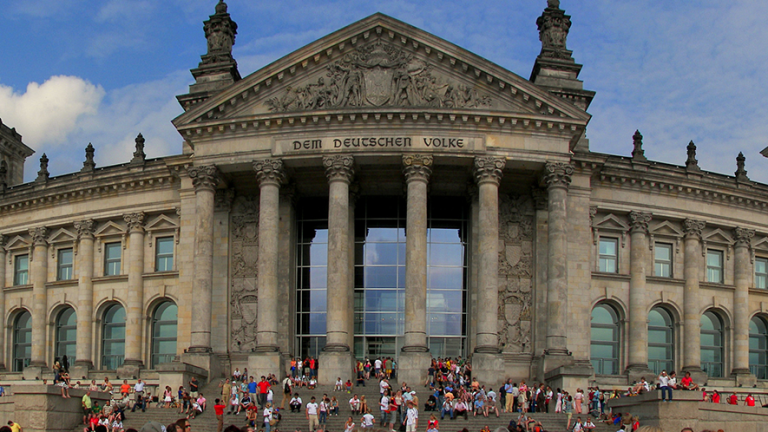
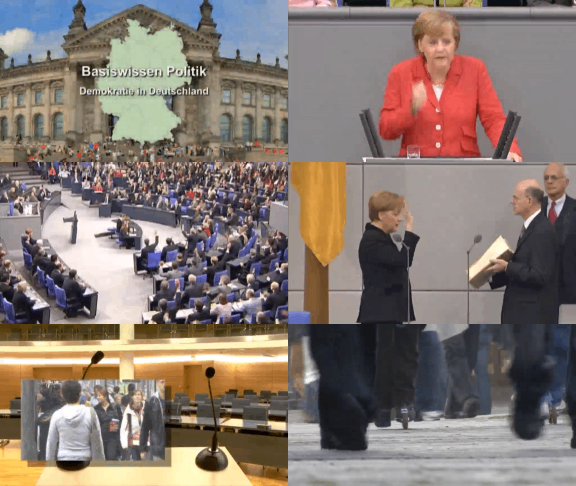
Democracy in Germany
Constantly we come across politics in our daily lives, we just do not realise it all the time! Politics does not always take place in full public view but also starts in small settings already, for example at school. The political system in Germany is based on the principles of democracy. That means there are free elections in Germany, an independent parliament and a separation of powers that act independently of each other.
Learn more
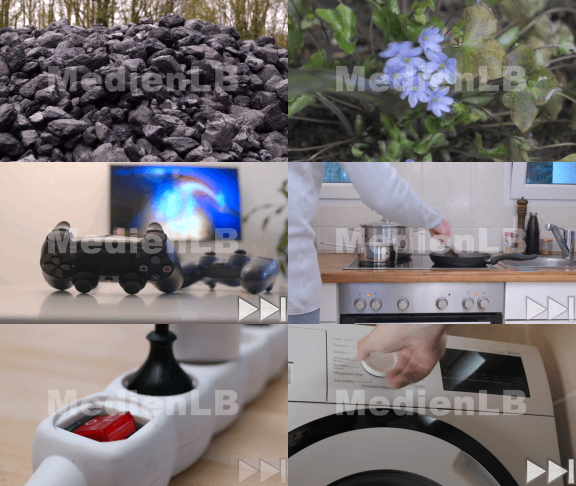
Save energy
The extraction, generation and consumption of energy is a multi-faceted issue. We humans are required to deal sensitively and sustainably with the existing energy supplies in the world and to discover and establish new energy sources.
Learn more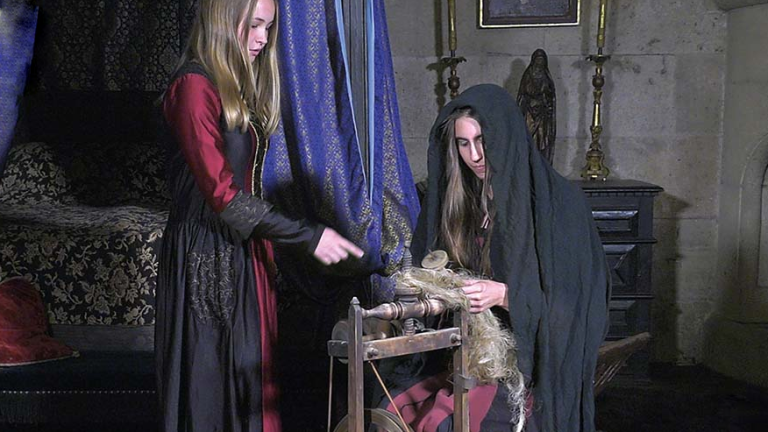
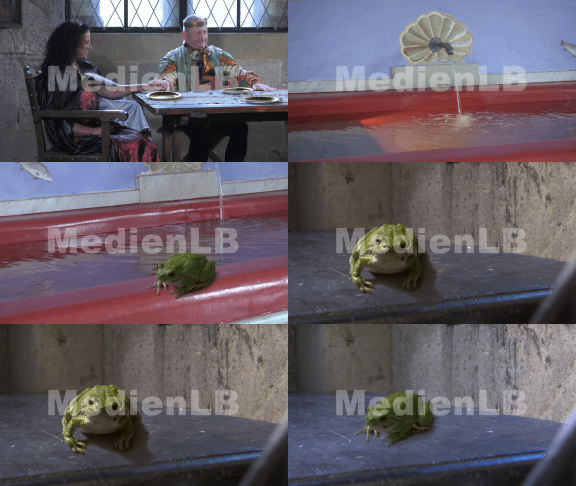
Dornröschen
Die Geschichte von Dornröschen ist eines der bekanntesten Märchen. Es gehört zu den „Kinder- und Hausmärchen“ der Brüder Grimm. Der Film zeigt in liebevoller Darstellung vor prächtiger Kulisse das Märchen vom Königspaar, welches endlich ein Kind bekommt. Durch einen Fluch wird das Mädchen 100 Jahre Schlafen, nachdem sie sich im fünfzehnten Lebensjahr an einer Spindel sticht. Durch den Kuss eines Prinzen wacht sie nach dieser Zeit wieder auf und die beiden feiern Hochzeit.
Learn more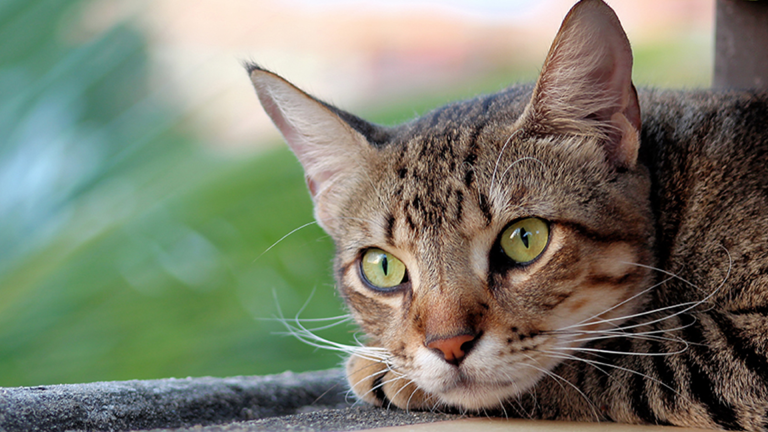
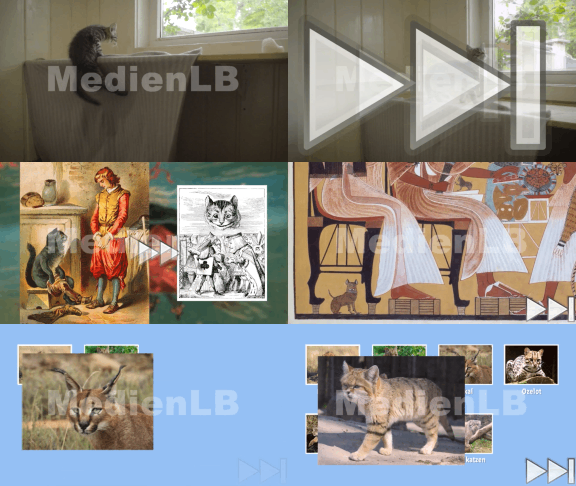
Domestic Cat
Nobody has actually counted all of them but it is estimated that there are about 200 million domestic cats in the world. In Germany alone live abou 14 million. That makes it the most popular pet in this country.
Learn more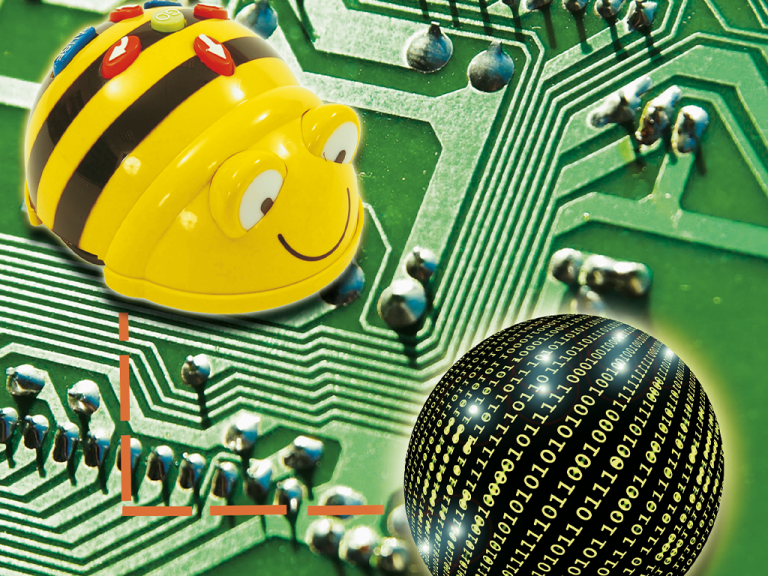
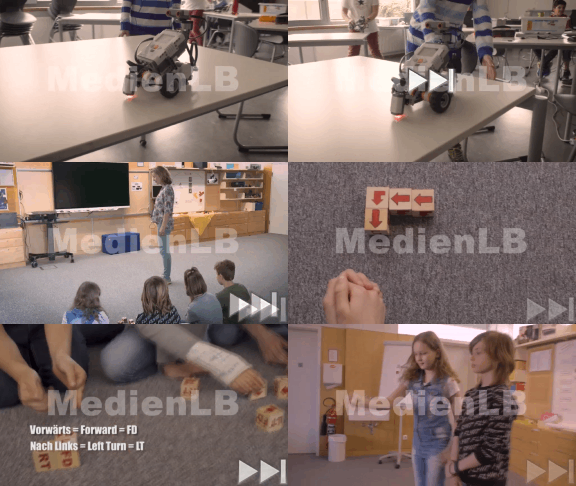
Programming
There are a lot of things in the world whose functioning and appearance were determined even before they are perceived or before they occur.
Learn more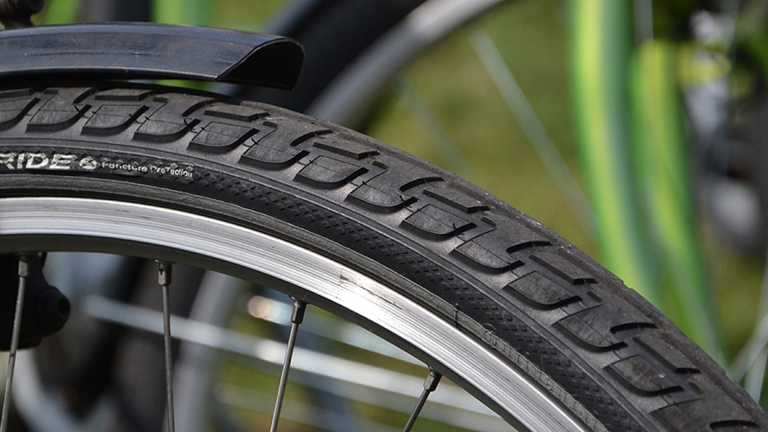

Scooter and Bicycle Training
Scooters and bicycles are very popular with all levels of the population, and they are part of our everyday life. Due to the increasing volume of traffic, scooter and bicycle training at school is of great importance. The exercises laid down in the curriculum for the first to third school year take place exclusively as an exercise in a safe environment. Here, pupils acquire the necessary competencies that are a prerequisite for the pupils’ traffic training in the fourth school year. You do not need much to set up a suitable circuit, and most of the required equipment is already at hand in any sports hall: - inclined board - plastic poles with bases - traffic cones - softball - warning tape - ropes - table tennis rackets - step board or the top part of a vaulting box - markings for start and finish.
Learn more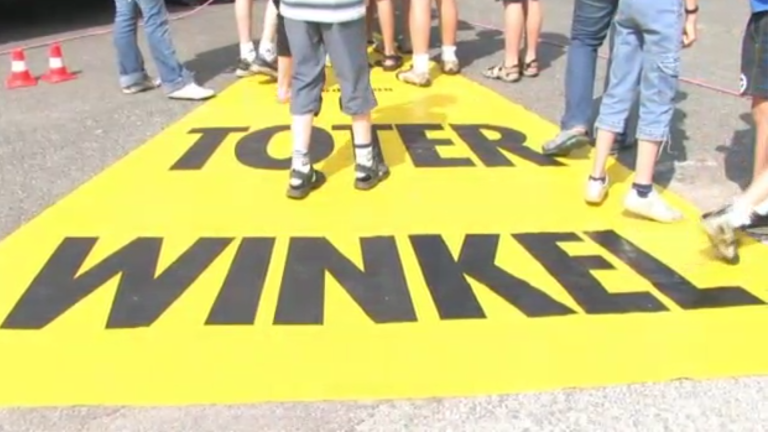
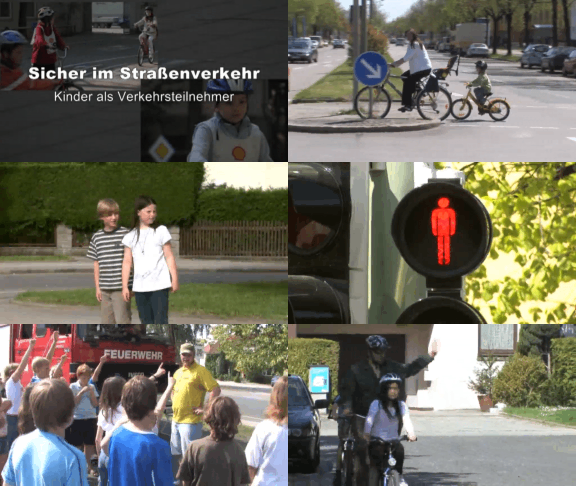
Safety in Road Traffic
This DVD encourages children as young traffic participants to be considerate in road traffic to ensure safety and show social responsibility. It explains that in road traffic, children are especially exposed to danger and emphasises that above all, primary school children are confronted with a lot of novel and difficult situations. The film focuses on the following aspects of road training: Pedestrians in road traffic, seeing and being seen, being a car passenger, the bicycle as a means of transport, the blind spot, the safe bike, traffic signs and regulations, turning left, the bicycle test. This DVD preventively supports correct conduct in everyday road traffic in terms clearly understandable to children.
Learn more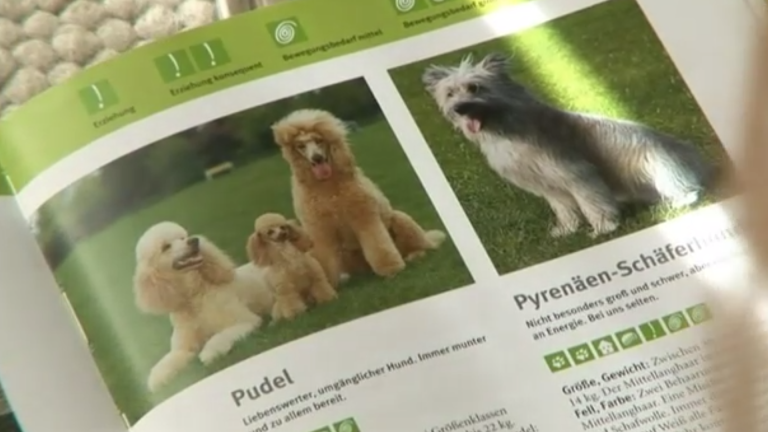
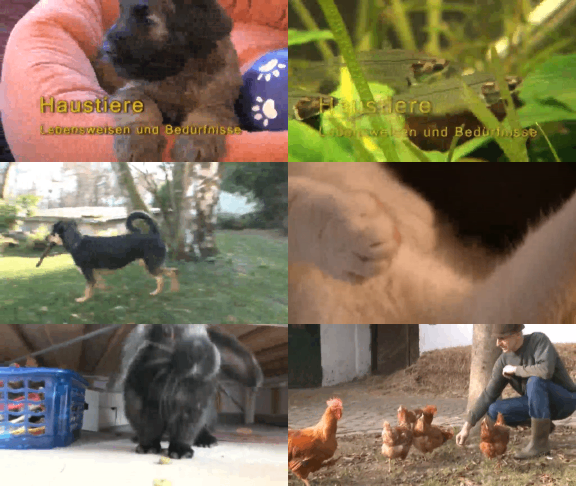
Domestic Animals
As different as the various breeds and races of pets and domestic animals are, as different are our ways of dealing with them.
Learn more
MedienLB has been producing award-winning school films and interactive modules for the classroom since 2006.
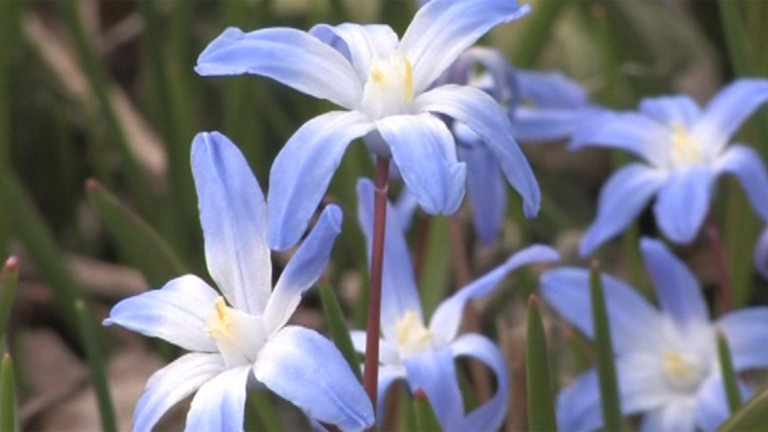
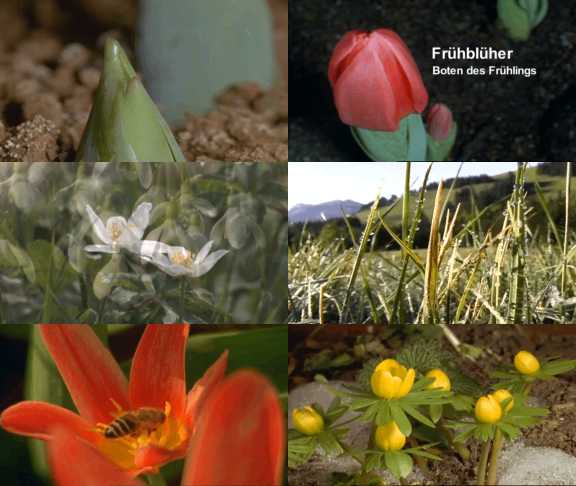
Early Flowering Plants
During the first warmer days in late winter, the harbingers of spring show that new life is stirring. With great biodiversity and beauty the early flowering plants herald the change of season. In an easily comprehensible manner and often with stunning time-lapse images the film makes children aware of the connection existing between the sprouting of the early flowering plants so soon in the year and their extraordinarily rapid growth.
Learn more
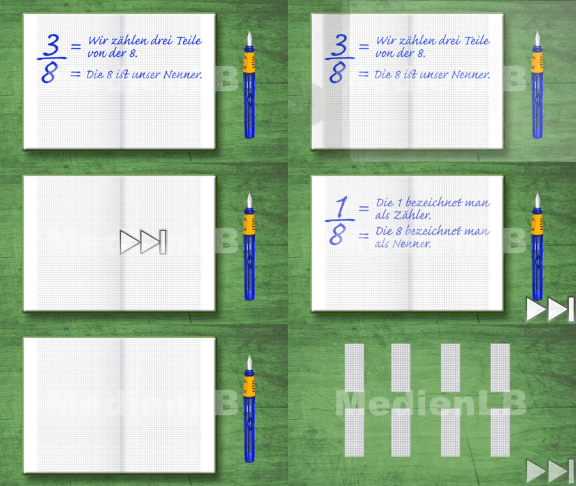
Optics
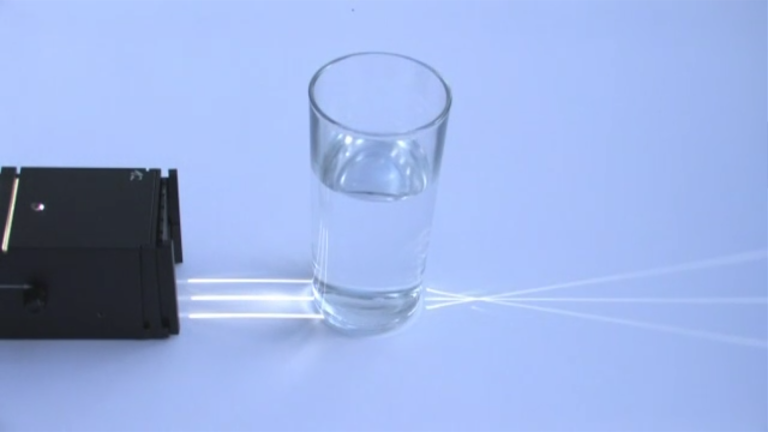
This DVD offers a clearly structured overview of the field of optics with an emphasis on the following main topics: All three models, i.e. the ray theory, the wave theory and the quantum theory of light, are explained by means of selected phenomena. The pupils learn about the conditions, the principles and appearances regarding reflection and refraction and are encouraged to perform easy experiments themselves. Optics are introduced to the pupils with the help of examples from nature, road traffic and the environment. Simple optical instruments such as a magnifying glass, a camera, a microscope, an astronomic telescope and the eye are described. Further, the visible part of the electromagnetic spectrum, a line spectrum, a solar cell and a radiometer are explained in selected sections. The film is divided into six menu items (chapters), which may be individually accessed and worked on. For this purpose, additional pictures, texts or selected short film clips are offered, which can simply be called up by remote control.
Learn more