






Suche:
- # Artistry
- # Biology
- # Chemistry
- # Ecological
- # Economy
- # English
- # Foreign Language
- # Geography
- # German
- # Health
- # History
- # Informatik
- # Latin
- # Mathematics
- # Media Education
- # Music
- # Physics
- # Politics / Civics
- # Preschool
- # Primary School
- # Religion
- # Society
- # Sports
- # Technology
- # Training of Teachers
- # Vocational Education
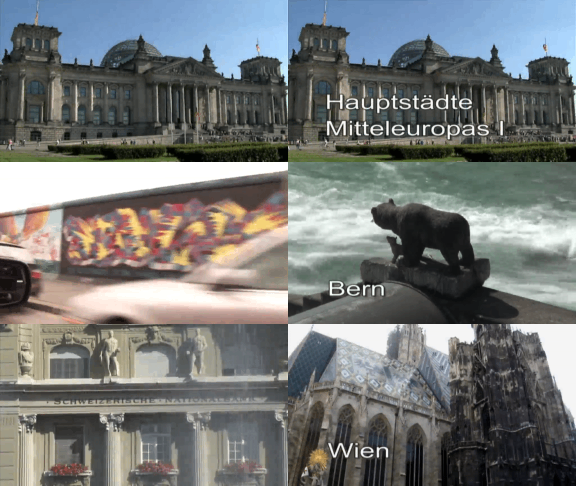
Capitals of Central Europe I
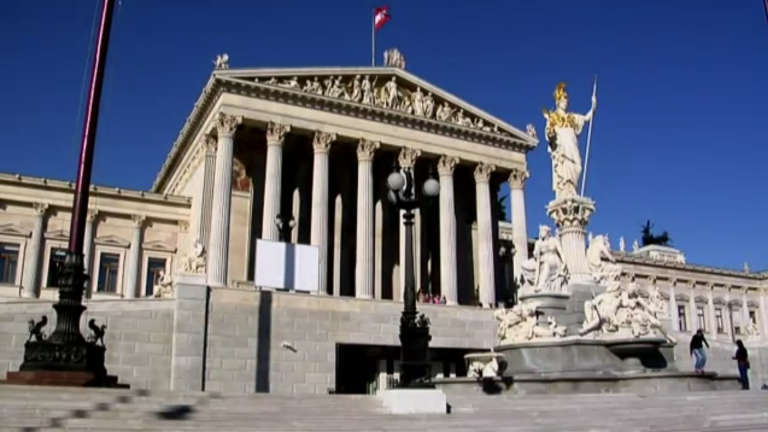
This DVD presents the German-speaking capitals of Central Europe, Berlin, Bern, Vaduz and Vienna. By way of introduction, the pupils learn about the natural and climatic boundaries of the Central European region and which countries it encompasses. Based on this, the film first focuses on the topographic situation of the respective capital of the countries of Germany, Switzerland, Austria and Liechtenstein, and the history of the cities’ foundation is briefly outlined. To illustrate their function as capitals, the government buildings in Berlin, Bern, Vaduz and Vienna are described but the DVD also goes into the respective infrastructural and economic particularities. Impressive pictures and the accompanying material give a lasting account of the growth of the metropolis of Vienna thanks to its favourable geographic situation at the Danube trade route and the Habsburg dynasty. The traces of Berlin’s division into West Berlin and East Berlin are documented, Bern is shown in its special role as federal capital of Switzerland and capital of the canton of Bern, and Vaduz is introduced as small capital of international repute as a financial centre.
Learn more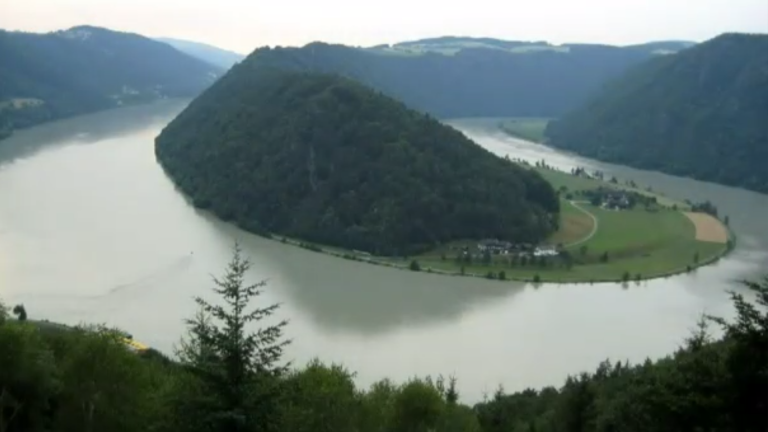
The Danube
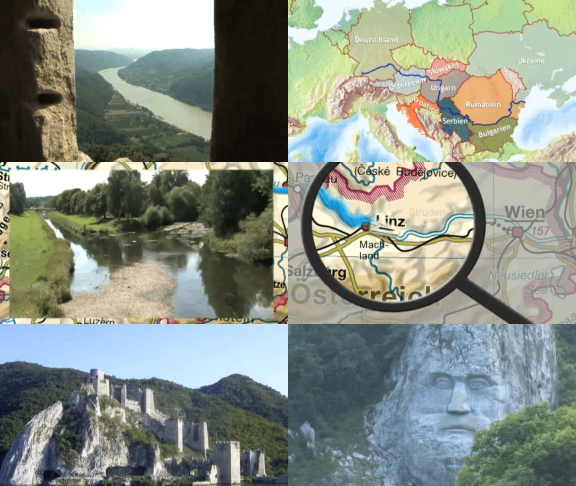
With a length of over 2,800 kilometres, the Danube is the second-largest river in Europe. The river, which is to become so mighty, starts out as a narrow brook with the confluence of both its headwater streams Breg and Brigach in Donaueschingen. Before reaching its river delta into the Black Sea, the Danube crosses ten riparian states. On its long way, past important towns and cities, across mountains, wild ravines and broad valleys, lined with forests, fields and vineyards, the Danube connects a plethora of different cultural, economic and living environments.
Learn more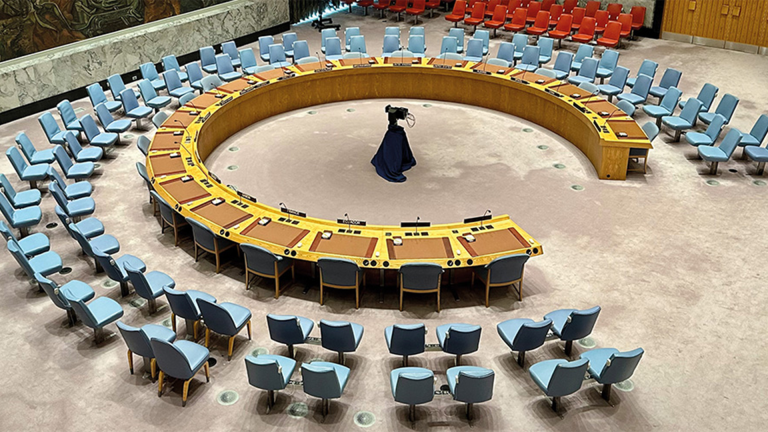
UNO
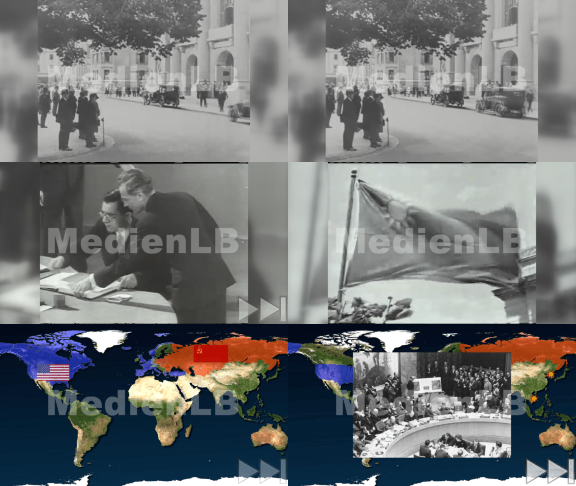
The UNO (United Nations Organization), in German the United Nations, is an international association with headquarters in New York. Since its founding in October 1945, its members have worked to maintain peace and security, respect for human rights and sustainable development.
Learn more
Capitalism
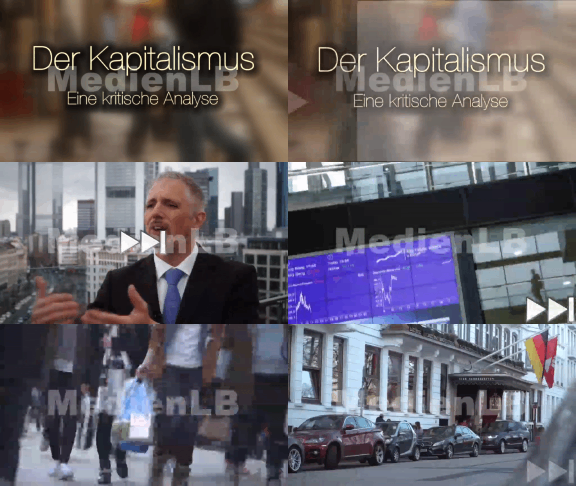
Capitalism is a global economic and social order, in which the means of production such as, for instance, buildings, farmland or technical facilities are in private ownership, and the control of economic activities is effected by the market.
Learn more
Hairdresser
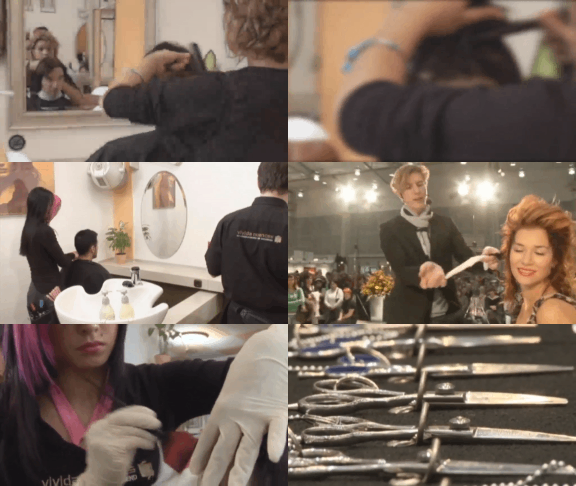
Today regular appointments with the hairdresser are a matter of course for our individual styling. The aim is no longer to simply cut the hair so that it looks well-groomed but the hairdo is an expression of personality and thus intended to contribute to the overall look of a person. A good hairdresser knows about trends and lifestyle and what’s fashionable, and is able to give competent advice on how to complement the customers’ style. The job of a hairdresser is a positive challenge for everyone interested in fashion, lifestyle and creative work with other people. Apart from the technical knowledge and practical workmanship, primarily giving advice to customers as well as an understanding of the customers’ needs are key qualifications for this crisis-proof job. A traineeship is a possibility of getting familiar with a hairdresser’s work environment. An important aspect is that this career choice offers good prospects for young people on the job market, thus building a bridge to an economically secure future.
Learn more
Unbelebte Natur begreifen
Die Menschen sind umgeben von belebter und unbelebter Natur. Der Film stellt Phänomene der unbelebten Natur vor. Wie Wetter entsteht, was es mit Hoch- und Tiefdruckgebieten auf sich hat, stellt der Film in ansprechenden Animationen und spektakulären Landschaftsaufnahmen vor.
Learn more
Deutschlands Landschaften
Deutschland ist ein Land der Landschaften. Der Film nimmt uns mit auf eine Reise von den Küsten im Norden über die Lüneburger Heide, die Lößbörde und die Mittelgebirge in der Mitte Deutschlands bis zu den Alpen im Süden.
Learn more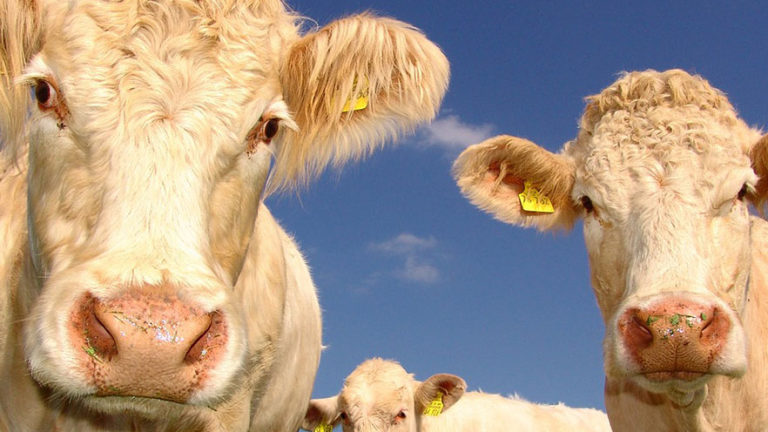
Bauernhof
Die Landwirtschaft ist die Quelle unserer Nahrung. Fleisch, Gemüse und Milch werden in landwirtschaftlichen Betrieben produziert.
Learn more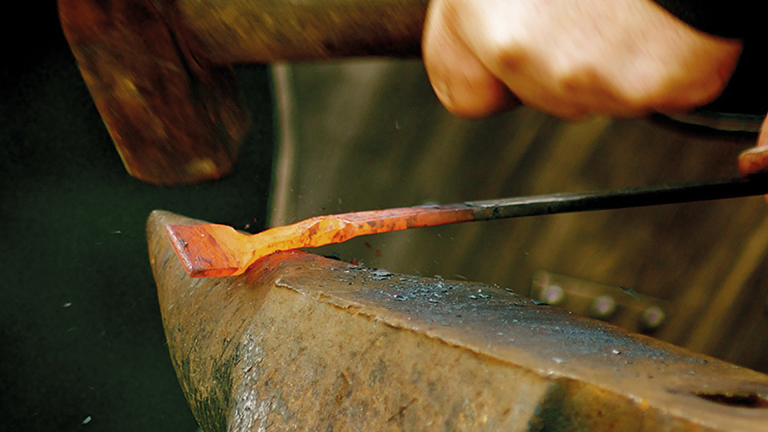
Old Crafts
Crafts have existed for centuries. Some old craftsmen’s trades have almost disappeared over time. In order to keep up the traditions of the crafts, old handicrafts are presented at traditional festivals or on markets.
Learn more
MedienLB has been producing award-winning school films and interactive modules for the classroom since 2006.

Milk
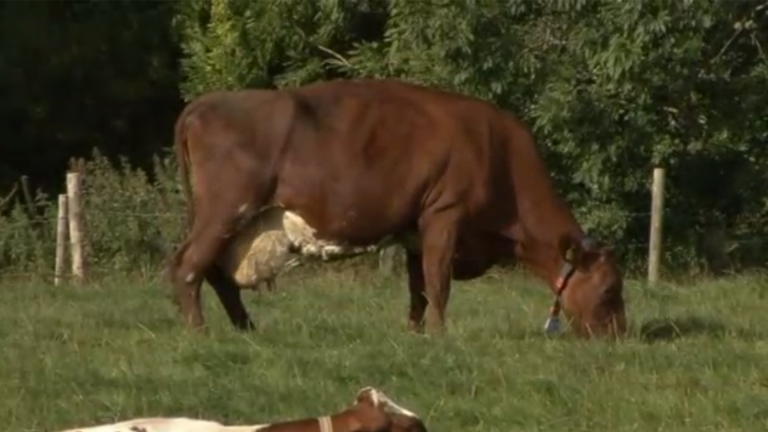
Milk is one of the oldest and, at the same time, most natural foods we know. This DVD provides comprehensive information on cow’s milk. Where does the milk come from, how are the cows best cared for, what do they eat? What breeds of cattle are there, how are the cows milked today compared to the past? What is the udder actually? What types of milk are there? What do pasteurised, ultra-heat treated, homogenised and sterilised mean? How does it get from the cow to the consumer? How is milk bottled and packed? What kinds of fresh dairy products are there? And how is butter and cheese made from milk? In the last chapter of the DVD, we take a look back into the past and show the history of milk production.
Learn more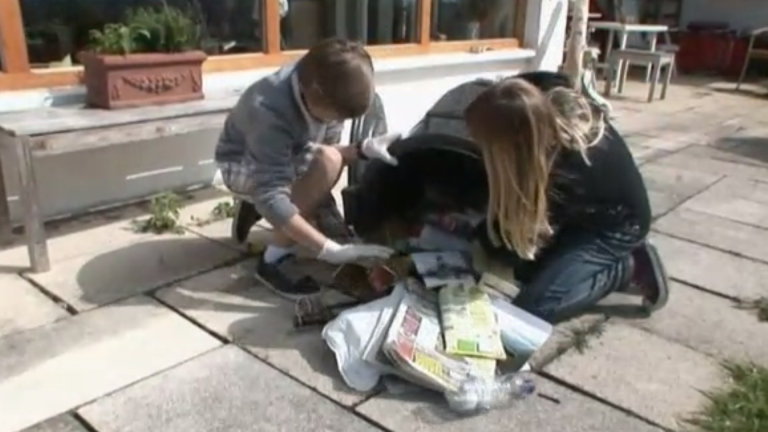
Waste
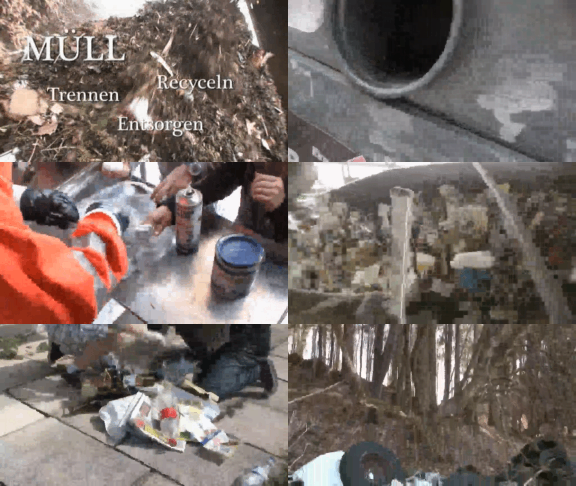
The content of the film "Waste" is based on the specific field of experience of children – how household waste is produced and disposed of. In a vivid way, the film makes the children acquainted with the various forms of waste, how they are disposed of and how many reusable materials are contained in our household waste.
Learn more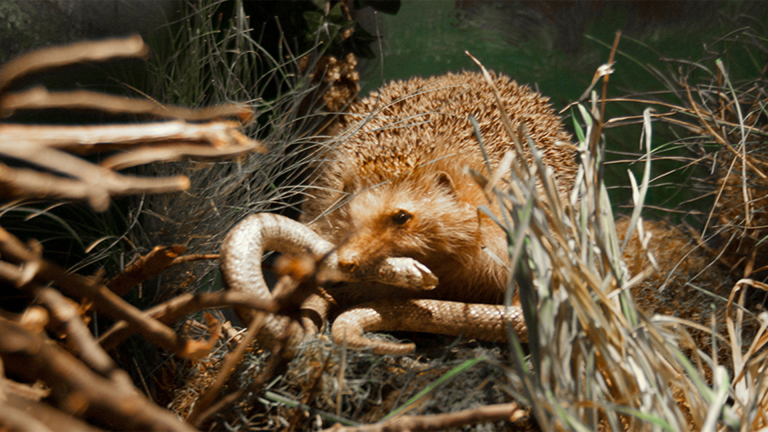
The Hedgehog
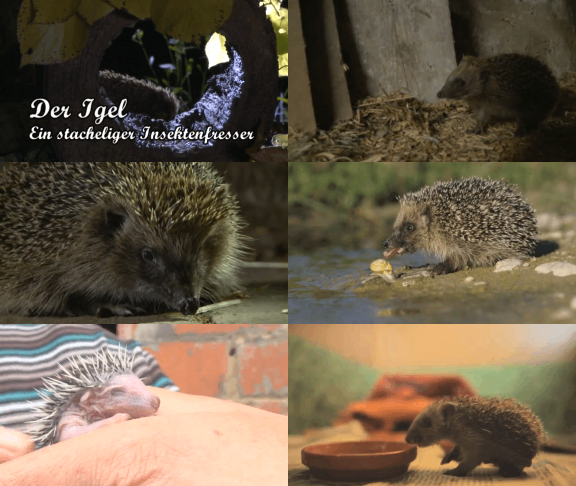
It carries on its back up to 8000 spines although it is no more than 30 centimetres long. In spite of that it can assert itself very well against its enemies. Because this insectivore can roll up into a ball. Although the hedgehog is a wild animal, it likes to live near humans today. With simple explanations and beautiful film shots the pupils learn about the species-specific behaviour, the characteristics of our endemic common hedgehog but also about the threats it is exposed to. At night, the hedgehog is accompanied on its forays for food, by day, it can be seen sleeping deeply in its hideout, and when the mating season is over, six orphaned hoglets are accompanied on their way to maturity. The thematic fields focussed upon are habitat and distribution, characteristics, behaviour throughout the year, food, reproduction as well as protection and endangerment. The film arouses curiosity about and fascination for the hedgehog and furthers the pupils’ environmental awareness. Together with the extensive accompanying teaching material the DVD is perfectly suited for use in the classroom.
Learn more