






Suche:
- # Artistry
- # Biology
- # Chemistry
- # Ecological
- # Economy
- # English
- # Foreign Language
- # Geography
- # German
- # Health
- # History
- # Informatik
- # Latin
- # Mathematics
- # Media Education
- # Music
- # Physics
- # Politics / Civics
- # Preschool
- # Primary School
- # Religion
- # Society
- # Sports
- # Technology
- # Training of Teachers
- # Vocational Education
Entspannungstechniken
Stress ist ein allgegenwärtiges Problem, das bereits Kinder im Schulalter betrifft.
Learn more
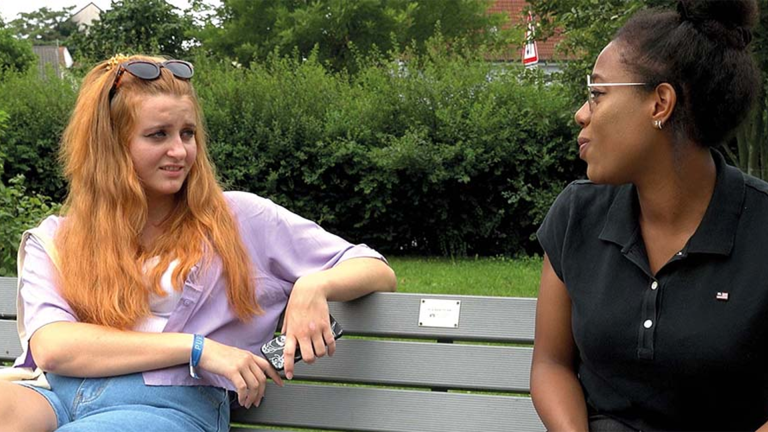
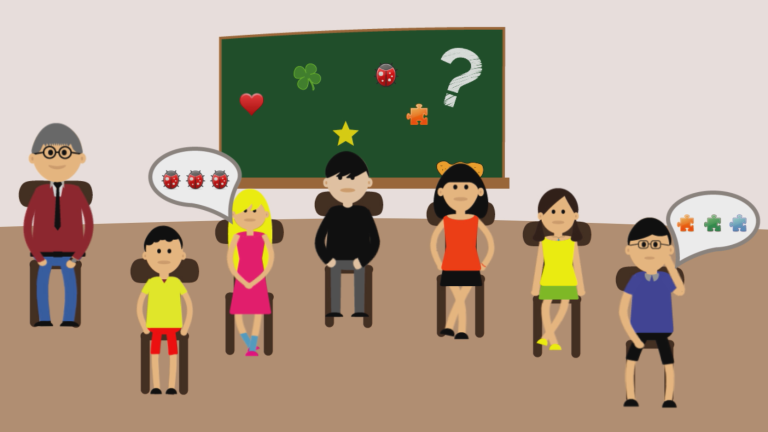
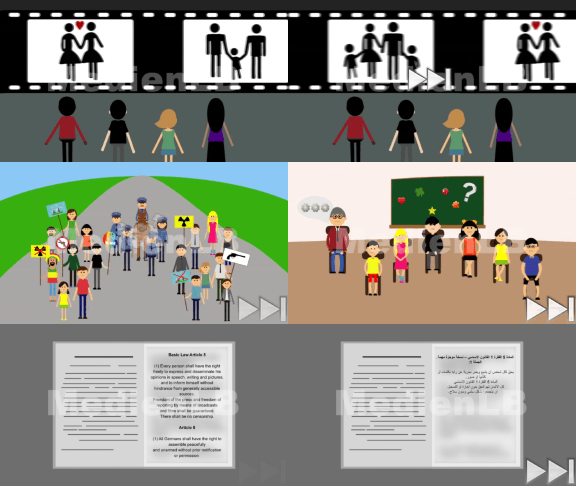
Werte und Normen in Deutschland
Dieser sprachlose Animationsfilm zeigt in leicht verständlichen Bildern in Alltagssituationen die Werte und Normen in Deutschland. Für Erwachsene und Kinder, welche neu in unsere für sie fremde Gesellschaft kommen und (noch) nicht unsere Sprache sprechen oder verstehen. Werte und Normen werden anschaulich auch ohne Sprachkenntnisse schnell vermittelt. Durch die Unterteilung des Filmes in sinnvolle Sequenzen (Gleichberechtigung, Meinungsfreiheit, Religionsfreiheit, Schulbildung, gewaltfreie Erziehung) können die einzelnen Themengebiete aufbereitet, diskutiert und vertieft werden. Als weitere Ergänzung kann der auf DVD und Online verfügbare Film „Werte und Normen in Deutschland – Mit und von Flüchtlingen“ in vier Sprachen“ (auch in Hocharabisch und Englisch) eingesetzt werden.
Learn more
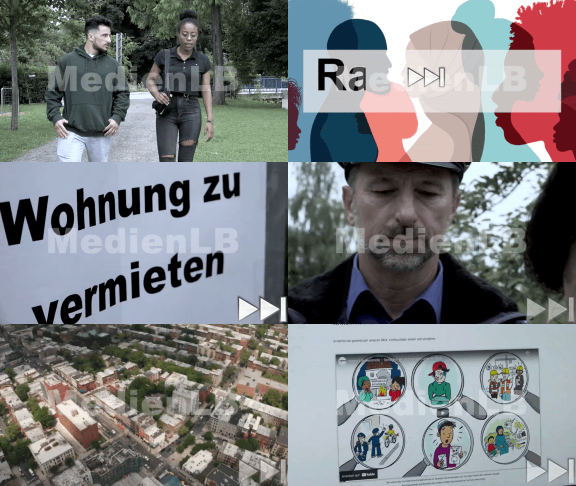
Hasstiraden gegen Andersdenkende
"Zeit für Helden – Und was machst Du?" schafft Aufklärung rund um die Themen Diskriminierung, Rassismus, Vorurteile und Zivilcourage.
Learn more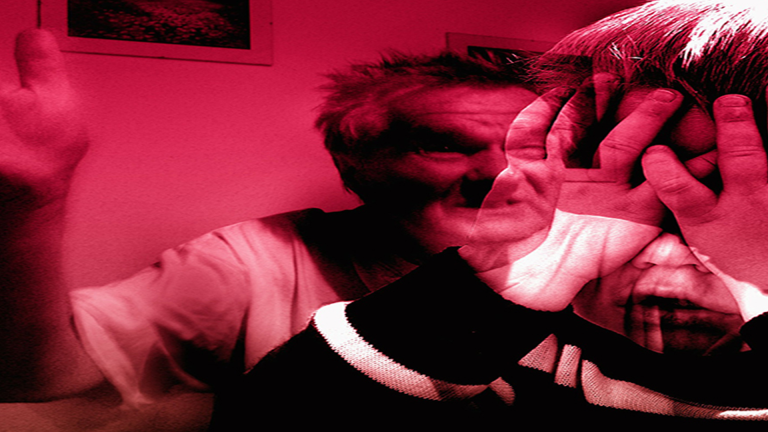

Misshandlungen
Im Paragraf 1631 Inhalt und Grenzen der Personensorge steht (2) Kinder haben ein Recht auf gewaltfreie Erziehung. Körperliche Bestrafungen, seelische Verletzungen und andere entwürdigende Maßnahmen sind unzulässig. (…)
Learn more
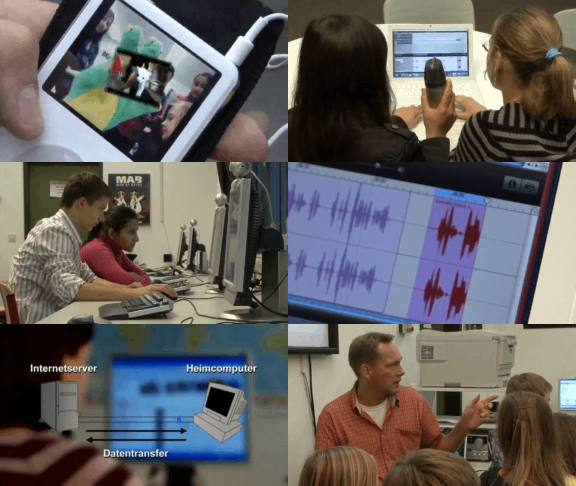
Podcasting
Today, the use of new media has become a matter of course not only in everyday life – schools and teaching, too, benefit from the new technologies and methods, which support active and independent learning. Especially in computer science, ethics and language courses but also in all other subjects, modern media are a valuable pedagogic and didactic asset. This DVD uses the example of podcasts to demonstrate how the possibilities opened up by new media can be applied in the classroom and how the pupils can be taught to handle them in a competent and target-oriented manner. The film is aimed at supporting the use of podcasts at school and encourages making them. This also requires the ability to find information on the Internet and assess it. The film informs on the functionality of podcasts and technical background as well as on the teaching and learning possibilities offered by podcasts – ranging from specific contents to superordinate learning targets such as the advancement of creativity and team spirit. The DVD is a useful support for teachers applying new media and wishing to show their pupils how to handle Running Time: 20:29 ms them in a sensible way.
Learn more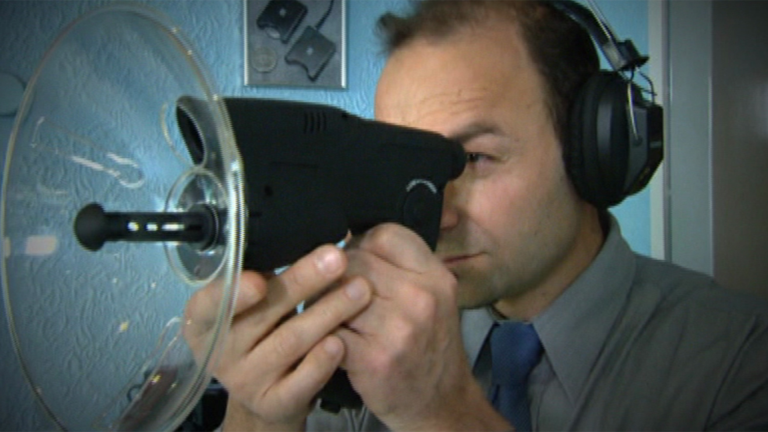

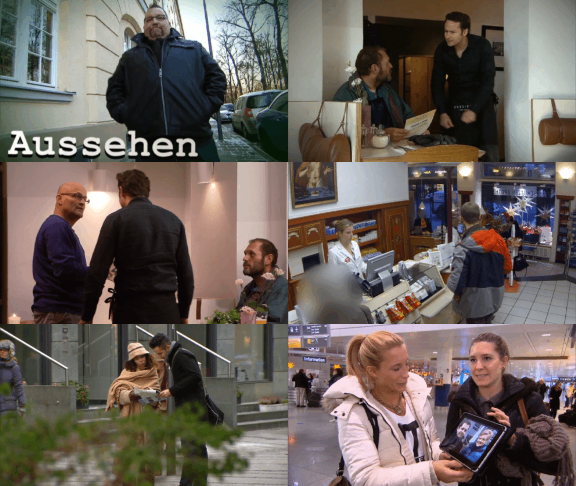
Privatsphäre
"I'm watching you" – heutzutage kein Problem mehr. Die rasend schnelle Entwicklung der Technik ermöglicht Überwachung und Spionage zu jeder Zeit und an jedem Ort. Ob mit aufwändigen Mitteln oder im kleinen Rahmen ganz nebenbei – fast überall wird man beobachtet. Jedoch birgt diese transparente Welt jede Menge Gefahren. "Schau dich schlau!" versucht deshalb herauszufinden, wie es möglich ist, seine Spuren im Alltag zu verwischen. Ob Facebook oder Twitter – es wird gepostet, gebloggt, kommentiert und dabei oft viel zu viel preisgegeben. Die "Schau dich schlau!"-Moderatoren Joey Grit Winkler und Fero Andersen werden dieses Mal vor eine besondere Herausforderung gestellt: Sie sollen den genauen Tagesablauf des jeweils anderen an einem ihnen nicht bekannten Tag des Monats wiedergeben. Wer mehr Infos zusammenträgt, gewinnt das Duell. Fero hofft auf nützliche Informationen über das Facebook-Profil seiner Kontrahentin. Des Weiteren engagiert er einen Privatdetektiv und versteckt eine Kamera vor Joeys Wohnung. Dagegen setzt sie bei ihrer Mission auf Handyortung und bringt sich selbst ins Spiel. Mit Hilfe der passenden Verkleidung verfolgt sie Fero auf Schritt und Tritt. In Gesprächen mit seinen Kollegen und Freunden hofft sie auf besondere Informationen zu stoßen, um die Spionage-Challenge für sich zu entscheiden. Außerdem in der Sendung: Ohne Bedenken telefonieren – das dürfte doch wohl möglich sein. Oder stimmt es wirklich, dass unsere Gespräche am Telefon bei Wörtern wie "Drogen" oder "Bombe" abgehört werden? "Schau dich schlau!" tritt an zum großen Test.
Learn more

MedienLB has been producing award-winning school films and interactive modules for the classroom since 2006.
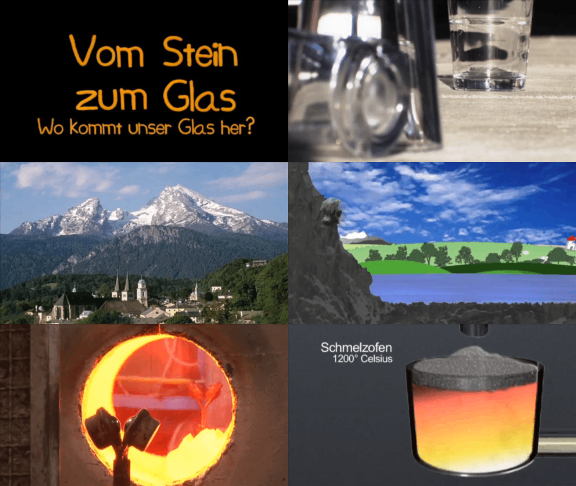
From Stone to Glass
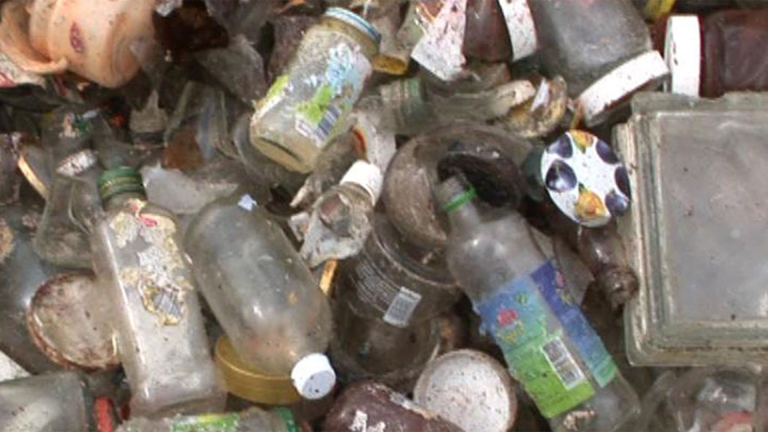
In terms understandable to children, this DVD illustrates how glass, a widely used material, is made. The film shows, step by step, the development from rock to quartz sand, which, mixed with further ingredients, forms an important component in the making of glass. In order to give the children an exact idea of glass production, a glassblower is watched at his job. The accompanying material contains extensive suggestions and recommendations, such as songs, experiments, tips for assembly, games, mandalas, etc., both for a practical application of the topic in the classroom and for reinforcing the knowledge the children have acquired. Special emphasis was laid on an integrated learning experience in kindergarten life for the children to experience the often used material glass with all their senses. Thus, this DVD offers a basis suitable for child-oriented projects in kindergarten and early primary school, which take up and illustrate a topic familiar from the children’s everyday lives.
Learn more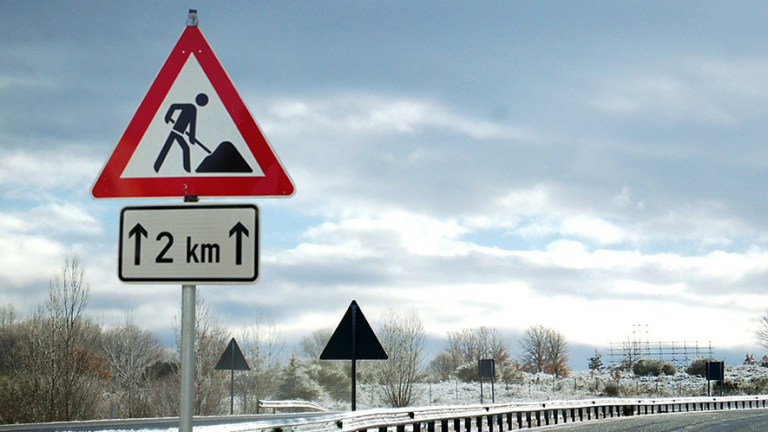
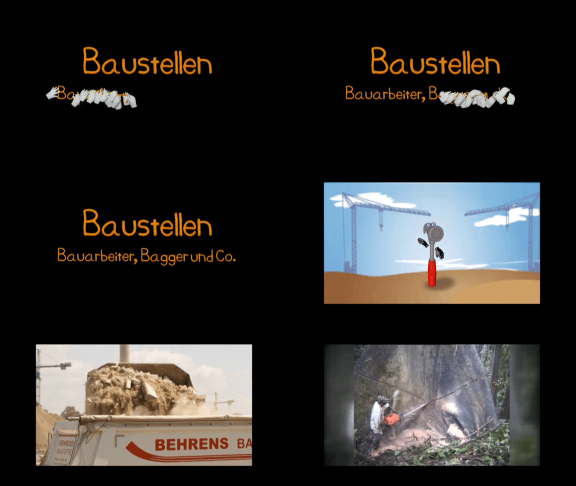
Construction Sites
At a road construction site mostly the old road is removed with a big road miller. Sometimes a digger helps and carries the large parts away. They are loaded onto a truck. With the tar machine the road is newly tarred. Tar is a mixture of gravel, sand and crude oil. Here the tar is still very hot. When it cools down, it becomes very hard and the cars can drive on it. A new motorway or country road is created.
Learn more
Picture Analysis
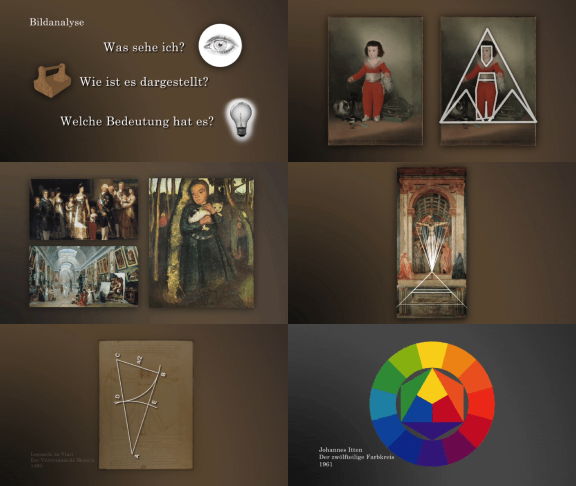
Picture analysis is a reliable method of revealing the secrets of works of art. Let us take for example the portrait of a child. There would have been innumerable ways of depicting the child but the painter painted it specifically the way he did and not otherwise. Why? What did he want to express? And what painter’s tricks did he use in doing so? It is worthwhile examining the picture in detail to unravel the message of this work, after all, the painter invested a lot of time and effort in it. Those who occupy themselves intensively with a work of art do not only learn more about the artists’ technical subtleties. In the process, they also go on a journey back through time, to forgotten customs and habits. It is a dive into the everyday lives of our forebears, their wishes and dreams.
Learn more