






Suche:
- # Artistry
- # Biology
- # Chemistry
- # Ecological
- # Economy
- # English
- # Foreign Language
- # Geography
- # German
- # Health
- # History
- # Informatik
- # Latin
- # Mathematics
- # Media Education
- # Music
- # Physics
- # Politics / Civics
- # Preschool
- # Primary School
- # Religion
- # Society
- # Sports
- # Technology
- # Training of Teachers
- # Vocational Education
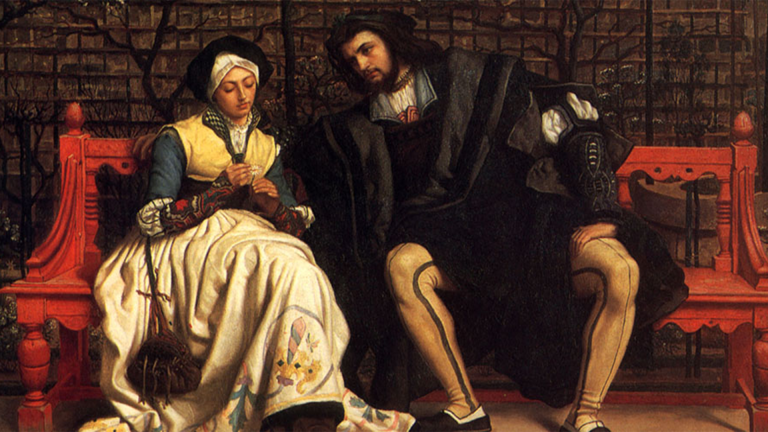
Goethe‘s Faust I
Faust by Johann Wolfgang von Goethe is still considered the most important work of German literature today. Even after 200 years, its still very lively reception bears witness to that fact.
Learn more

3D-Druck
3D-Drucker erobern immer mehr die Welt der Industrie. In vielen Bereichen hat der 3D-Druck bereits die maschinelle Fertigung ersetzt.
Learn more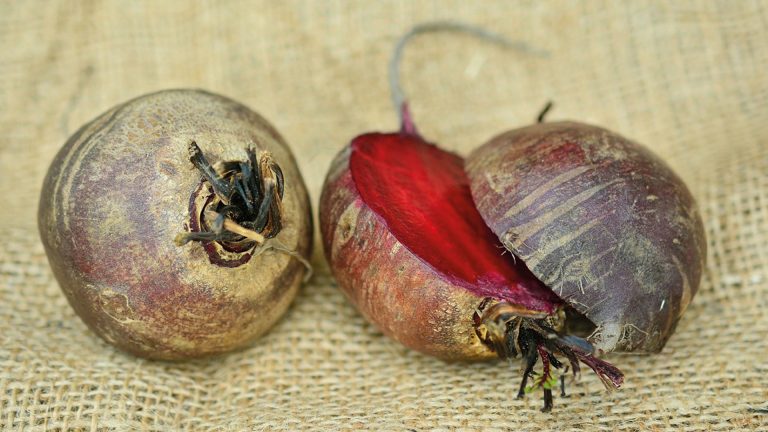
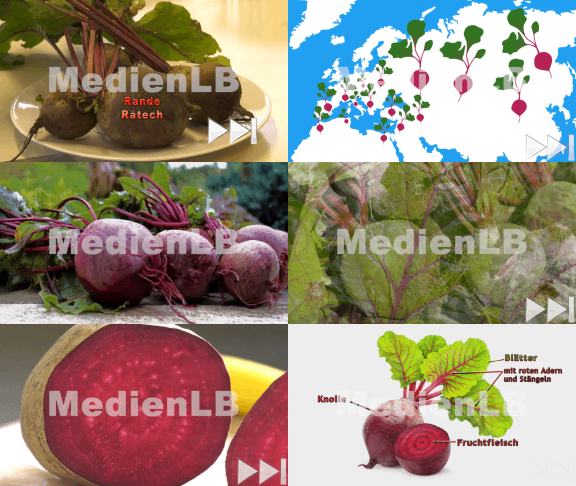
Rote Bete
Rote Bete, je nach Landstrich auch als rote Rübe, Rahne, oder Rande bezeichnet, ist ein schmackhaftes Wintervorratsgemüse mit langer Tradition.
Learn more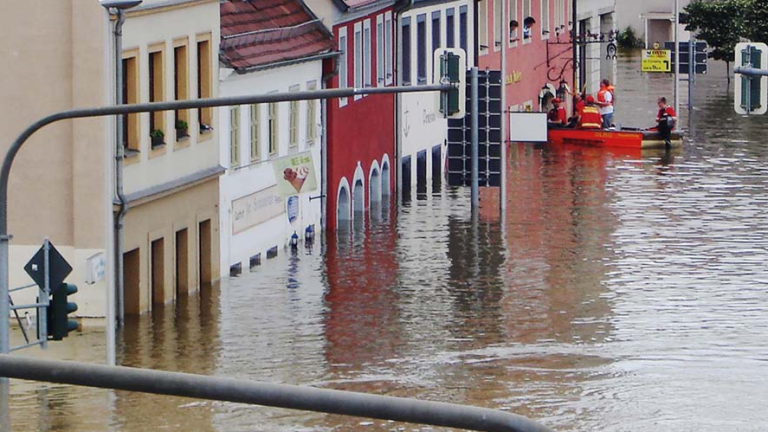
Katastrophenschutz
Die Flutkatastrophe vom Sommer 2021 hat gnadenlos die Defizite im Frühwarnsystem und die Bedrohungen durch den Klimawandel gezeigt.
Learn more
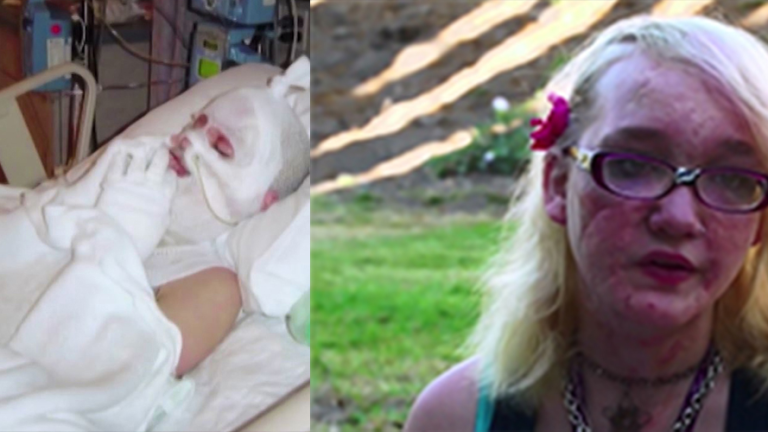
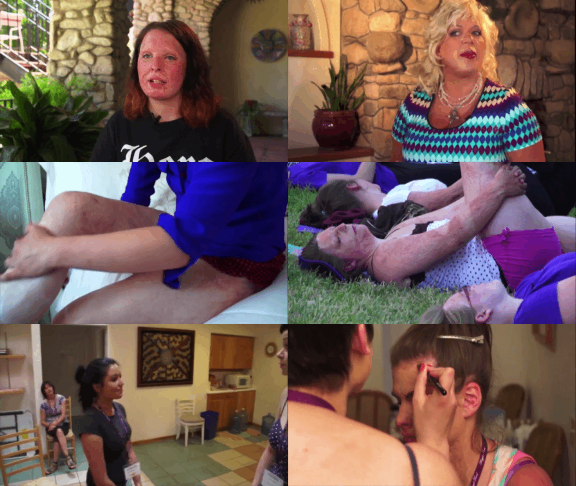
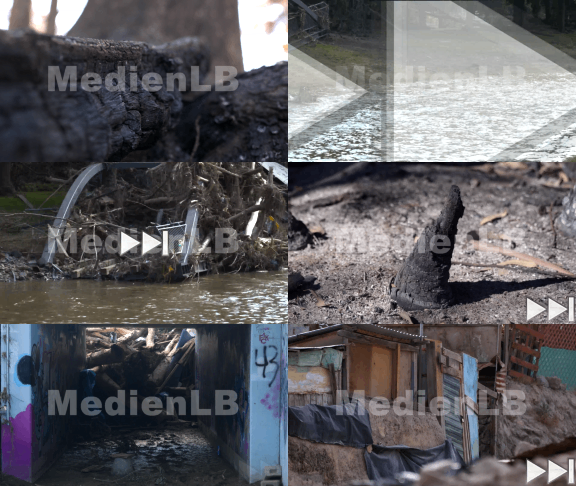
Camp für Brandopfer
Wie gehen Menschen damit um, wenn sie, beispielsweise durch einen schweren Unfall, große und sichtbare Narben im Gesicht und am Körper davongetragen haben? Was tun, wenn das alte Leben schlagartig vorbei ist? Wenn viele Menschen gar nichts mehr mit einem zu tun haben wollen?
Learn more

Prügelopfer
Der Film zeigt die potenziell verheerenden Folgen von Jugendgewalt am Beispiel des 25-jährigen Christoph, der 2007 das Opfer einer brutalen Attacke aus Eifersucht geworden ist.
Learn more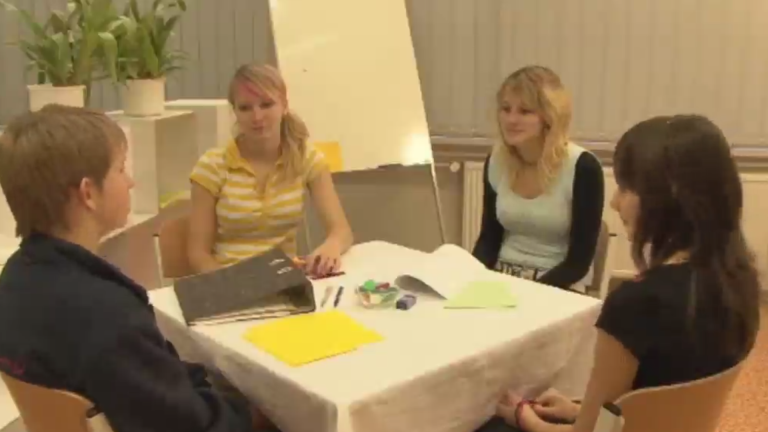
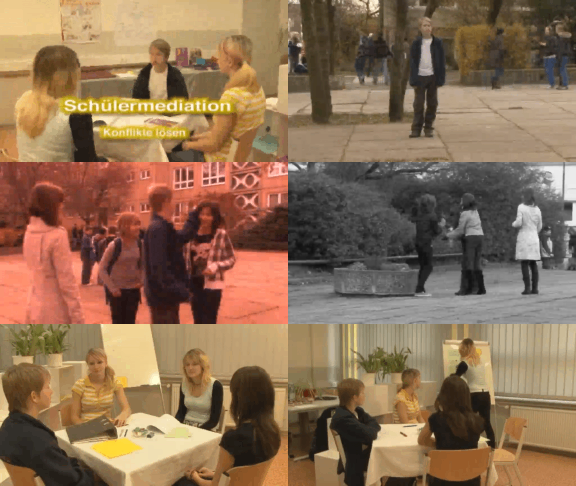
Peer Mediation
Lena and Max attend the 7th form. Max is new in class. During a break, Max notices that Lena and her friend are laughing at him again. Max loses his temper! He slaps Lena in the face. That hurts and Lena runs back into the classroom with a red cheek. The growing conflict between the two has escalated. Just like Lena and Max, every day pupils all over Germany have rows with each other. At the Heinrich Hertz Gymnasium in Thuringia, pupils have been trained as mediators for years. At set hours, they are in a room made available by the school specifically for mediation purposes. The film describes the growing conflict between Max and Lena and shows a mediation using their example. In doing so, the terms “conflict” and “peer mediation” are explained in a non-technical way. The aims of peer mediation and its progress in five steps as well as the mediators’ tasks are illustrated. The art of asking questions and “mirroring”, which the mediators must know, is described and explained. Together with the comprehensive accompanying material, the DVD is a suitable medium to introduce peer mediation at your school, too.
Learn more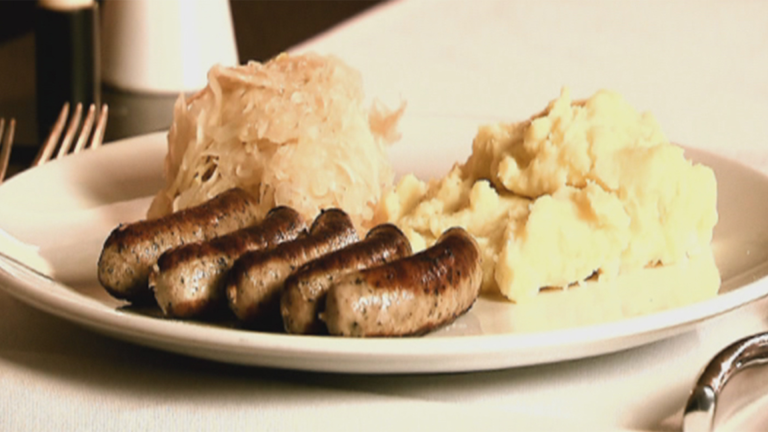
Typisch Deutsch
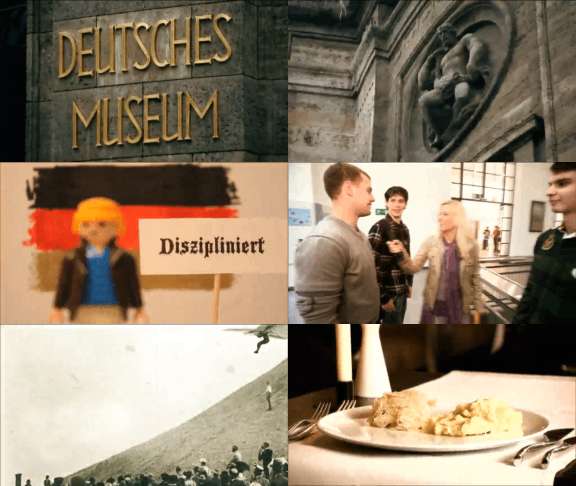
In Deutschland leben etwa 80 Millionen Einwohner, die Nationalflagge hat die Farben Schwarz-Rot-Gold, die Bundeshauptstadt ist Berlin. Soviel weiß eigentlich noch jeder, der in Deutschland lebt. Aber es gibt noch einiges mehr, was man über Deutschland wissen sollte. Schon bei der Frage nach der Anzahl der Bundesländer, der Nachbarstaaten oder dem längsten Fluss Deutschlands geraten einige ins Stocken. "Schau dich schlau!" möchte mit dieser Sendung Deutschland den Deutschen ein Stückchen näher bringen und ihnen helfen, ihr Land besser kennen zu lernen. Joey Grit Winkler und Fero Andersen unterziehen sich daher erst einmal dem "Schau dich schlau!"-Einbürgerungstest. Am Ende der Sendung erfährt der Zuschauer unter anderem, wer sich in den Kategorien "deutsche Erfinder" und "deutsche Geschichte" besser auskennt. Während Joey und Fero die zum Teil kniffligen Fragen beantworten, erfährt der Zuschauer auch, warum eines der deutschen Nationalgerichte "Sauerkraut mit Bratwurst" ist und wie es hergestellt wird. Fleiß, Pünktlichkeit und Ordnungssinn – das sind nur einige der "typisch deutschen" Tugenden. "Schau dich schlau!" erklärt humorvoll, warum sie den Deutschen zugeschrieben werden, und prüft, ob das tatsächlich so zutrifft.
Learn more
MedienLB has been producing award-winning school films and interactive modules for the classroom since 2006.
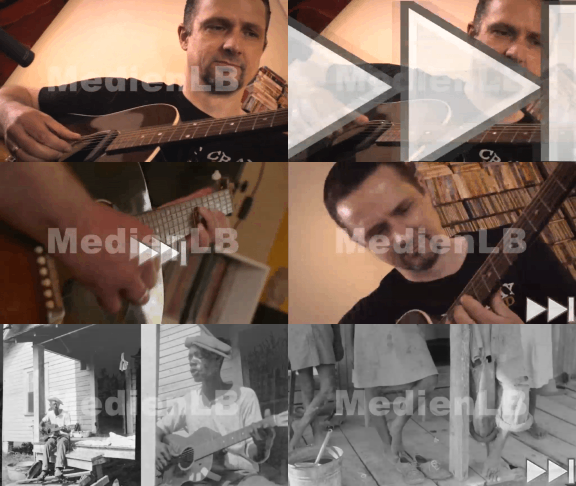
What Is the Blues?
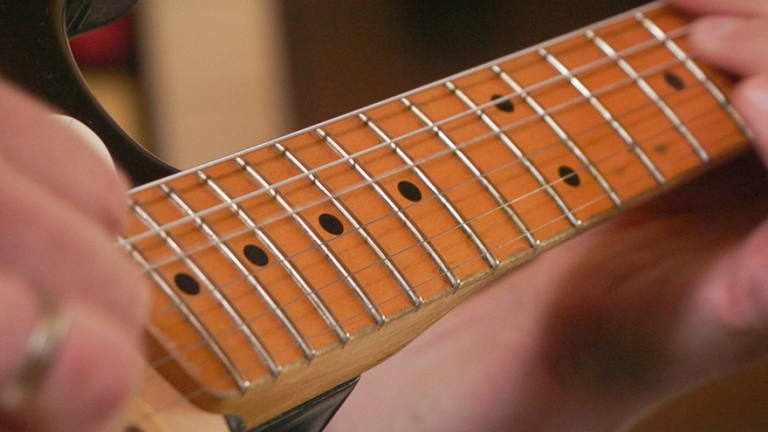
„Well, the Blues is what you go through when you wake up in the morning, and when you go to sleep, and you know, the Blues follows you, wherever you go. The Blues ist the truth to me, you know, the Blues is a healer, and whatever you‘re going through, you know, with the Blues, you know, it can satisfy your soul in other words, it can heal you if you’re going through changes, you know, and these days all of us go through changes: children, the young generation, grown-ups, you know, everybody. I think in my opinion, from my experience, have and get the Blues these days.“
Learn more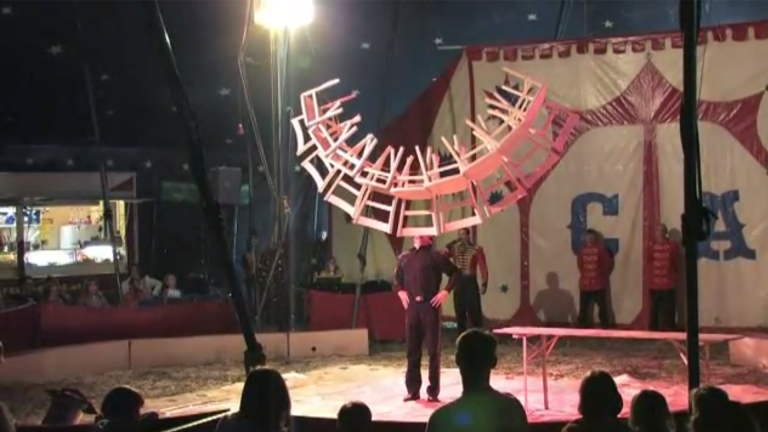

The Circus
The circus is a favourite topic for project work at kindergarten. Focal point is, of course, the children‘s spontaneous, allround experience of the circus. But it is not always feasible for educators to visit a circus to take a look at everyday life there. In clear terms, the DVD presents the life of the circus family Aros. It explains in a way suitable for children that circus life comprehends far more than the funny world presented to the spectators. The glance behind the scenes reveals that circus life means a lot of hard work. We witness an ordinary day in the life of the circus children Justine and Leon, who hardly have time to watch TV or play games. The accompanying material contains extensive suggestions and recommendations such as songs, recipes, some ideas on how to stage a circus performance, games, make-up tips, etc., for a practical application of the topic in the classroom and for reinforcing the knowledge the pupils have acquired. Special emphasis was laid on an integrated learning experience in kindergarten for the children to experience the gaily-coloured circus life with all their senses.
Learn more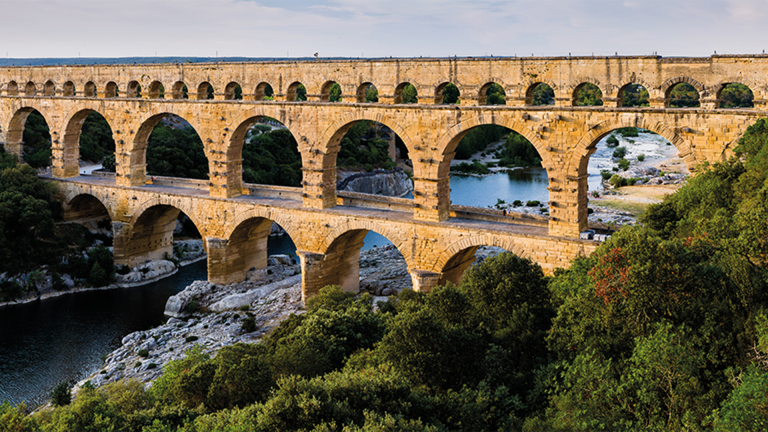
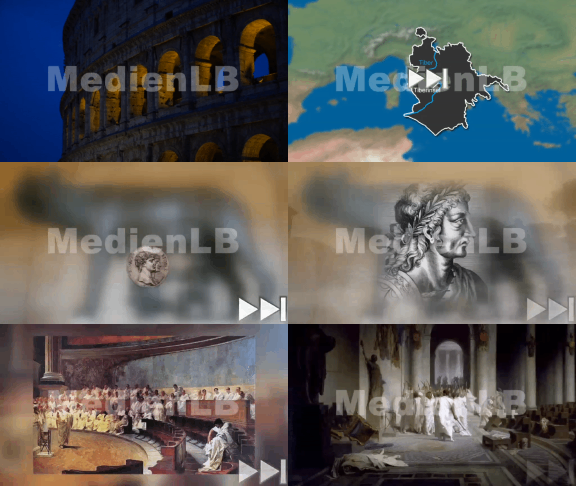
Rome
In its heyday, ancient Rome was the most imposing city of the known world and centre of one of the largest empires of all times but most of the more than one million residents viewed the metropolis as a foul juggernaut.
Learn more