






Suche:
- # Artistry
- # Biology
- # Chemistry
- # Ecological
- # Economy
- # English
- # Foreign Language
- # Geography
- # German
- # Health
- # History
- # Informatik
- # Latin
- # Mathematics
- # Media Education
- # Music
- # Physics
- # Politics / Civics
- # Preschool
- # Primary School
- # Religion
- # Society
- # Sports
- # Technology
- # Training of Teachers
- # Vocational Education
Bionics
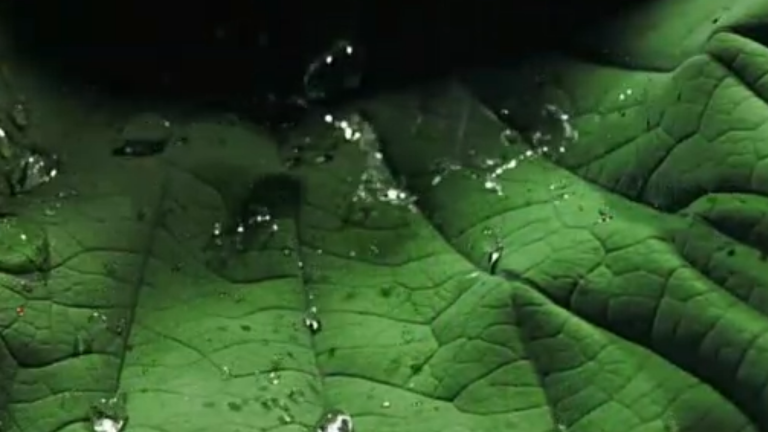
Humanity’s achievements in engineering have always been admired. This applies to antiquity’s Seven Wonders of the World as well as to the architectural masterpieces of modern times, such as the Eiffel Tower. The ideas of architects, physicians, mathematicians, chemists, engineers and technicians often have their origins in nature. Nature offers a huge reservoir of materials, which have proven their worth by permanent adaptation over millions of years. However, scientists do not just try to copy nature but strive to understand its principles and constructions and make them technically applicable in a modified way. Biology and technology have merged to the scientific discipline of BIONICS. Why can birds and insects fly? How do creatures live in the water without getting wet? Why is the blue morpho butterfly bright blue without the help of a colorant? Why is the lotus leaf always clean? Which building materials are there in nature? These and many more questions are answered in this DVD! Furthermore, the film gives a detailed illustration of how science implements and reconstructs nature’s ideas and makes them usable for us.
Learn more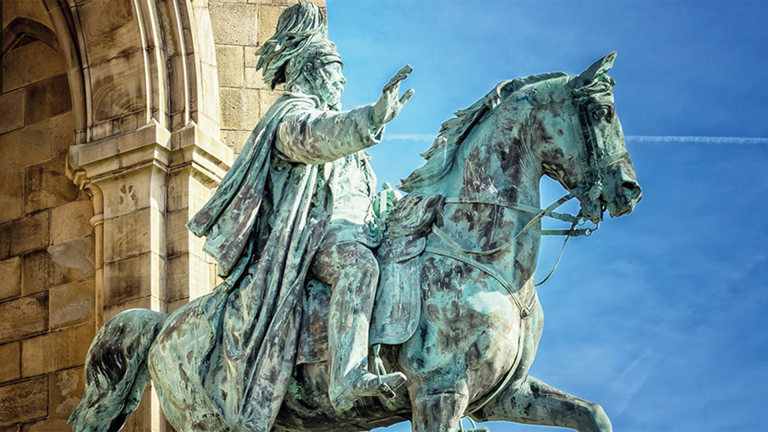
Preußen II
Dieser zweite Teil unserer Filmreihe über Preußen berichtet über die Politik des letzten preußischen Königs und späteren deutschen Kaisers Wilhelm I. Vom Aufstieg zum Deutschen Kaiserreich bis hin zu Preußens Untergang. Die Auflösung Preußens nach Ende des 2. Weltkrieges setzte einen Schlusspunkt unter eine Jahrhunderte alte wechselvolle Geschichte. Der Name Preußen ist untrennbar verbunden mit Aufklärung und Toleranz, verkörpert etwa in Friedrich dem Großen, verbunden aber auch mit Militarismus, Maßlosigkeit und Selbstüberschätzung Wilhelms II. Das Nachdenken über Preußen stand in den letzten Jahrzehnten im Schatten der hitzigen Debatten über die deutsche Geschichte.
Learn more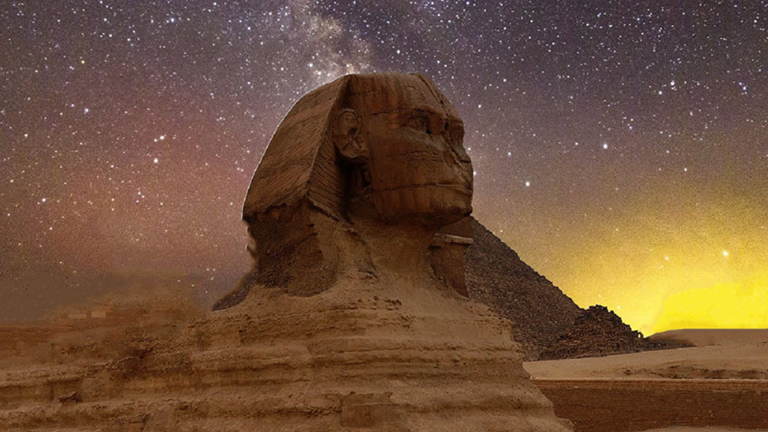
Egypt
Roughly from 3100 to 322 BC, one of the greatest and most powerful cultures of antiquity flourished in the Nile Valley.
Learn more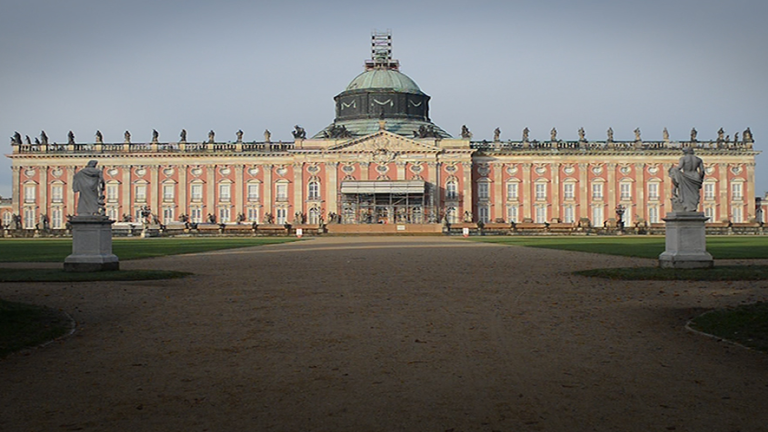
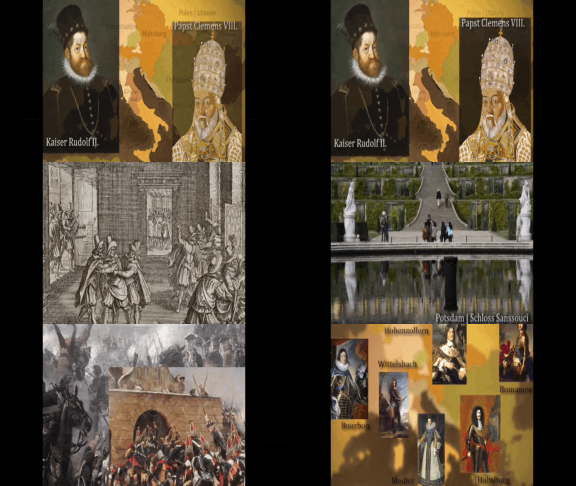
Rulers, States, Regimes
About 150 years lie between the creation of these pictures: on the one hand, the absolute ruler of France Louis XIV, who reigned from 1643 to 1715 and on the other hand, George Danton and Maximilien Robespierre, two distinguished representatives of the French Revolution after 1789, who decided the fate of France. What had happened that the leaders of their country had themselves represented in such different ways? Here the radiant, glorious prince, clothed in precious robes, in front of a legendary background – there the plainly dressed men at their desks with pen and ink as attributes of the educated citizen.
Learn more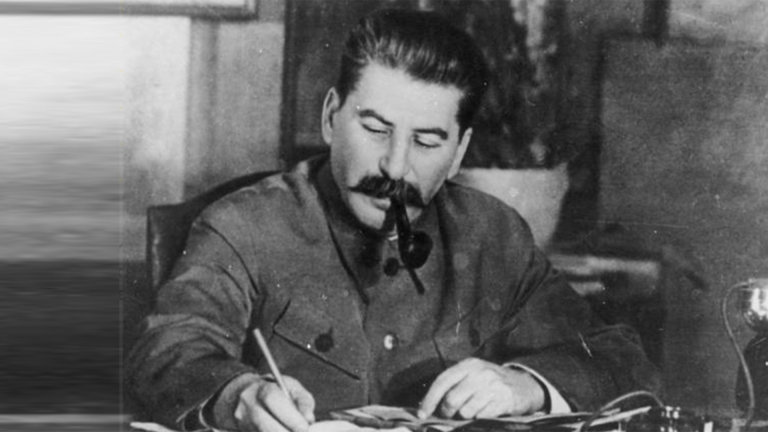
Dictatorships in the 20th Century II
Nobody could trust his colleagues, his friends, even his own family any more. An entire nation was brutally oppressed, spied out and exposed to any conceivable form of despotism. Until Joseph Stalin died on 5th March 1953, these facts were the bitter reality of the Soviet citizens’ everyday life. This despot used his absolute power to wage war against his own people for decades.
Learn more
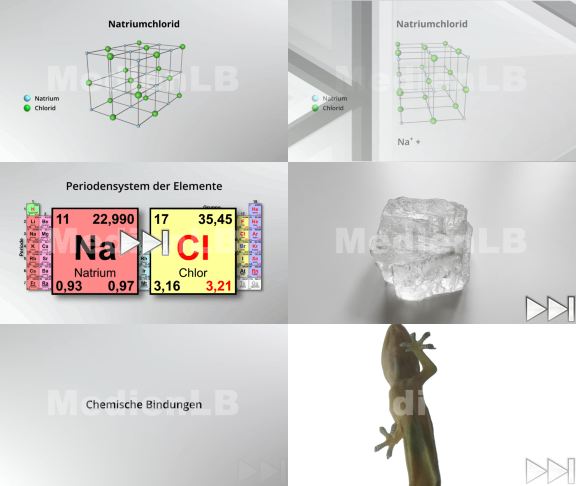
Chemische Bindungen
Chemische Bindungen sind ein zentrales Element der Chemie. Unter der Bezeichnung „Chemische Bindung“ versteht man im Allgemeinen den Zusammenhalt der kleinsten Teilchen in chemischen Stoffen. Wenn also zwei oder mehrere Atome oder Ionen stark miteinander verbunden sind, liegt eine Chemische Bindung vor.
Learn more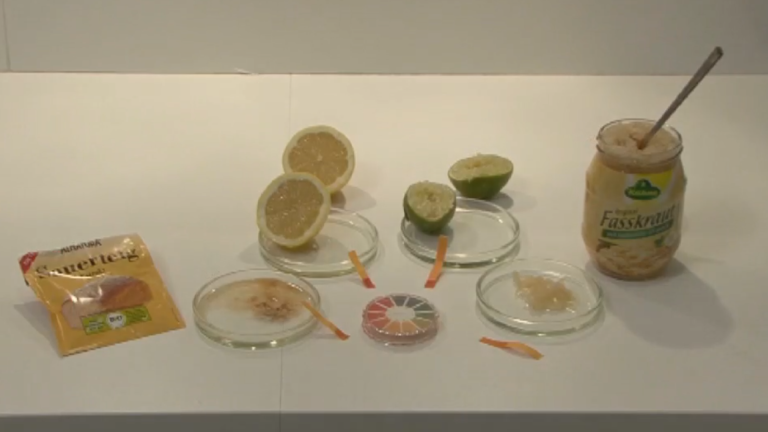
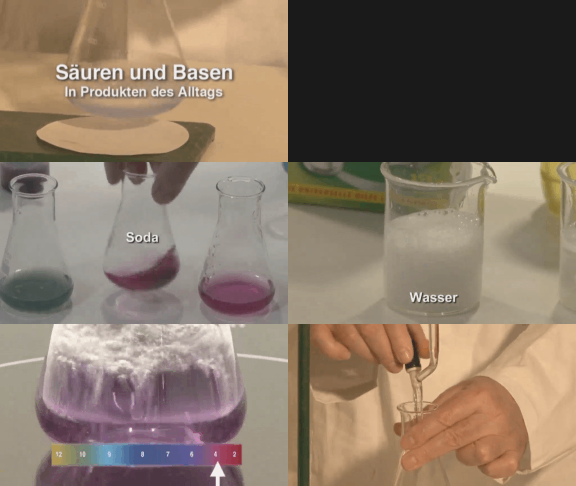
Acids and Bases
We can find acids and bases in every supermarket, some of them in our food, others in cleaning agents. In everyday products, acids and bases as well as acidic and alkaline reacting salts have extremely different functions. In food, acids are either present or added as flavouring agents such as citric acid, tartaric acid and acetic acid, as antioxidants such as ascorbic acid or generally as acidifiers, sequestrants (citric acid and tartaric acid) and preservatives (acetic acid).
Learn more
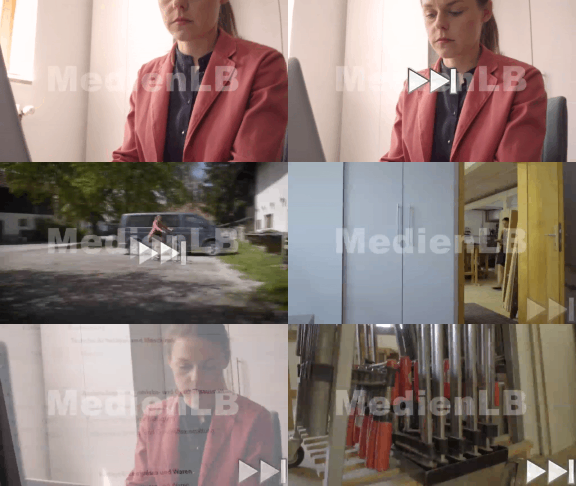
Accounting
Ms. Köller is a director at a small carpentry, which she has inherited from her parents. As the boss of her firm Ms. Köller also takes care of the accounting.
Learn more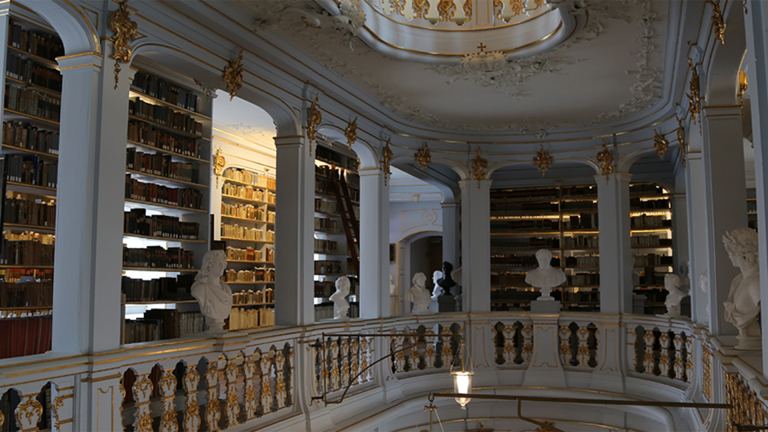
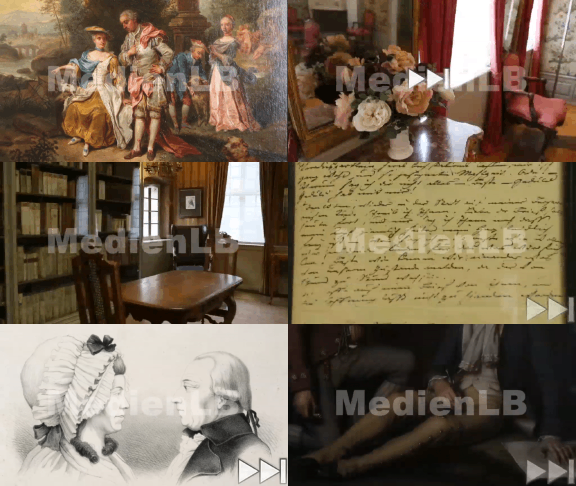
Literatur der Klassik
Johann Wolfgang von Goethe und Friedrich Schiller sind die wichtigsten Vertreter der klassischen Literaturepoche, die zwischen 1786 und 1805 in Weimar ihre Blütezeit hatte. Herausragend war dabei die Freundschaft zwischen Goethe und Schiller, die sich nach anfänglicher Rivalität zu einem äußerst kreativen „Miteinander“ entwickelte. Nicht zuletzt ist dies durch ihren jahrelangen Briefwechsel bestens dokumentiert. Wir untersuchen die Jugend und Entwicklung von Goethe, seine ersten Werken. Ebenso wird Schiller im Vergleich dargestellt und Gemeinsamkeiten aufgezeigt. Wir beleuchten ihre historischen und philosophischen Voraussetzungen. Der Schwerpunkt liegt auf ihrer Zeit in Weimar, wobei ein besonderes Augenmerk auf ihr kreatives Miteinander und den Austausch von ca. 1.000 Briefen gelegt wird. Ein abschließendes intensives Kapitel ist dem Klassiker „Faust“ gewidmet.
Learn more
MedienLB has been producing award-winning school films and interactive modules for the classroom since 2006.

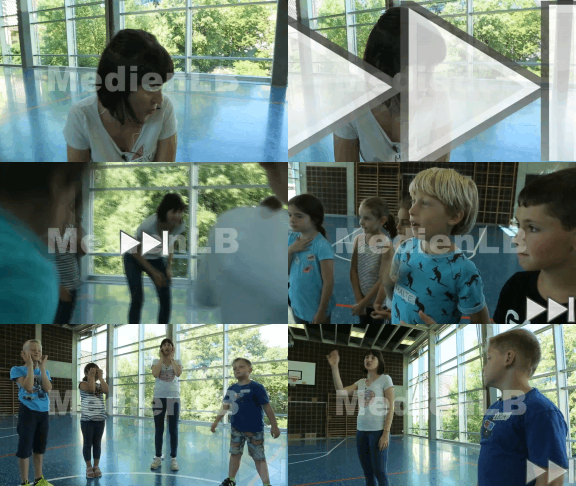
Methoden der Theaterpädagogik
Die Methoden der Theaterpädagogik erlauben es den Schülerinnen und Schülern, ihr kreatives Potenzial zu erkunden und zu erweitern.
Learn more
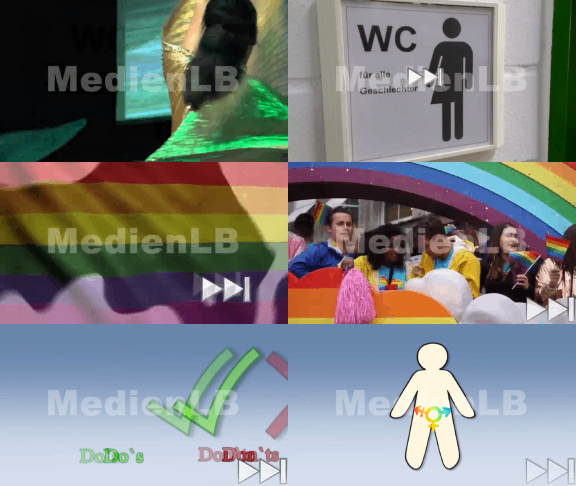
Geschlechteridentität
Teil des Erwachsenwerdens ist es, seine eigene Identität zu finden. Für manche wird diese Identitätsfindung erschwert, weil das körperliche Geschlecht nicht mit dem empfundenen Geschlecht übereinstimmt.
Learn more